
Is your car seat cover sagging or bunching up? You don’t need to replace it—just follow this step-by-step guide to fix loose car seat covers quickly and easily. With basic tools and a little patience, you can restore a snug, professional fit and keep your car’s interior looking sharp.
Key Takeaways
- Identify the cause: Loose covers often result from worn elastic, broken hooks, or stretched fabric—knowing the root issue helps you choose the right fix.
- Use the right tools: A seam ripper, heavy-duty thread, upholstery needle, and fabric glue can make the repair process faster and more effective.
- Reinforce weak spots: Reinforcing stress points like seams and attachment areas prevents future loosening.
- Try temporary fixes first: For quick results, use safety pins or Velcro strips before committing to sewing.
- Maintain regularly: Clean and inspect your seat covers every few months to catch wear early and extend their lifespan.
- Know when to replace: If fabric is torn or heavily faded, repair may not be worth it—consider a new cover instead.
- DIY saves money: Fixing a loose cover yourself avoids costly professional upholstery fees.
How to Fix Loose Car Seat Cover Fast and Easy
There’s nothing more annoying than sliding into your car only to feel a wrinkly, sagging seat cover bunching up under you. Not only does it look messy, but it can also be uncomfortable and even unsafe if it shifts while driving. The good news? You don’t need to be a professional upholsterer to fix a loose car seat cover. With a few simple tools and some patience, you can restore a tight, smooth fit in under an hour.
In this guide, we’ll walk you through how to fix loose car seat cover fast and easy—whether you’re dealing with a slipping fabric cover, broken elastic straps, or a seat cushion that just won’t stay put. We’ll cover everything from quick temporary fixes to long-term repairs, so you can choose the method that works best for your situation. Let’s get started!
Why Do Car Seat Covers Become Loose?
Before jumping into repairs, it helps to understand why your seat cover is loose in the first place. Most issues stem from normal wear and tear, but identifying the cause will help you pick the right solution.
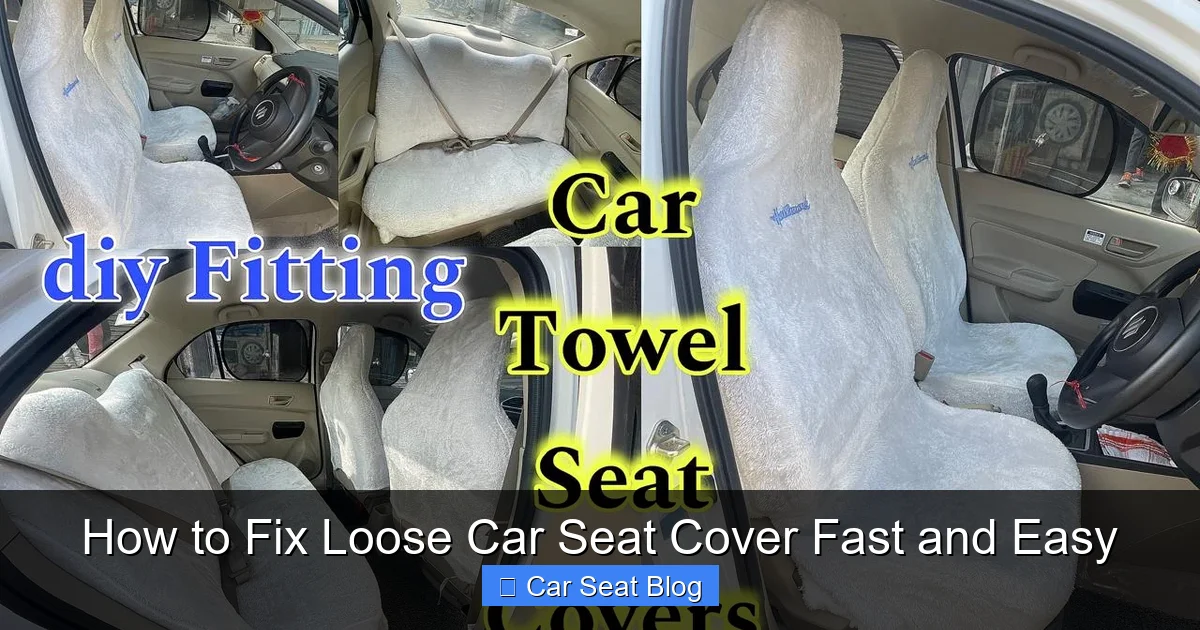
Visual guide about How to Fix Loose Car Seat Cover Fast and Easy
Image source: kristalcars.com
Common Causes of Loose Seat Covers
- Worn elastic straps: Over time, the elastic bands that hold the cover in place can stretch out or snap, causing the fabric to sag.
- Broken hooks or clips: Many covers use plastic or metal hooks to anchor to the seat frame. These can break or come loose.
- Stretched fabric: Repeated use, especially in hot climates, can cause synthetic fabrics to lose their shape.
- Poor installation: If the cover wasn’t installed tightly the first time, it may never have fit properly.
- Sun and heat damage: Prolonged exposure to sunlight can weaken fabric and adhesives, leading to loosening.
Once you know what’s causing the problem, you can choose the best fix—whether it’s a quick patch or a more involved repair.
Tools and Materials You’ll Need
Most loose seat cover fixes require only basic tools. Here’s what to gather before you begin:
- Seam ripper or small scissors
- Heavy-duty thread (polyester or upholstery thread works best)
- Upholstery needle (curved or straight)
- Fabric glue (like Aleene’s Fabric Fusion or Gorilla Fabric Glue)
- Safety pins or binder clips (for temporary fixes)
- Velcro strips (hook and loop type)
- Measuring tape
- Clean cloth and mild cleaner (to prep the area)
- Optional: Sewing machine (for stronger repairs)
Most of these items are inexpensive and available at hardware stores, craft shops, or online. If you already have a basic sewing kit, you’re halfway there!
Step-by-Step: How to Fix a Loose Car Seat Cover
Step 1: Remove the Seat Cover (If Possible)
Start by carefully removing the seat cover from the seat. Most covers are designed to be removable, but take your time—don’t force anything. Look for zippers, Velcro, or elastic straps that hold it in place.
If your cover is sewn in or permanently attached, you’ll need to work around it. In that case, focus on tightening from the inside or using adhesive methods.
Tip: Take a photo of how the cover is attached before removing it. This will help you remember how to reinstall it correctly.
Step 2: Inspect for Damage
Lay the cover flat and examine it closely. Look for:
- Torn seams
- Broken or stretched elastic
- Missing hooks or clips
- Frayed edges
Make a note of any damaged areas. This will help you decide whether to sew, glue, or replace parts of the cover.
Step 3: Tighten Loose Elastic Straps
If the elastic is stretched but not broken, you can often tighten it by sewing a small tuck.
- Use a seam ripper to open a small section of the fabric near the elastic.
- Pull the elastic taut and fold it over to create a shorter loop.
- Sew the fold in place with a strong stitch. Use a double thread for extra strength.
- Tuck the elastic back into the fabric and sew the opening closed.
Pro tip: If the elastic is completely broken, cut out the old piece and replace it with new elastic of the same width. Thread it through the casing using a safety pin, then sew the ends together.
Step 4: Reattach or Replace Hooks and Clips
Many seat covers use plastic hooks to clip onto the seat frame. If these are missing or broken, you can often find replacements at auto parts stores or online.
To reattach:
- Locate the original attachment point on the cover.
- Use a strong needle and thread to sew the new hook in place. Reinforce with a few extra stitches.
- Test the hook by clipping it to the seat frame. It should hold firmly without slipping.
If the fabric around the hook is torn, reinforce it with a small patch of sturdy fabric (like denim) glued or sewn underneath.
Step 5: Sew Loose Seams
Loose or torn seams are a common cause of sagging. To fix them:
- Turn the cover inside out to access the seam.
- Use a seam ripper to remove any loose stitching.
- Align the fabric edges and pin them in place.
- Sew along the original stitch line using a heavy-duty needle and thread.
- If using a sewing machine, choose a straight stitch with a medium stitch length.
Tip: For extra durability, sew a second line of stitching parallel to the first. This creates a reinforced seam that’s less likely to come apart.
Step 6: Use Fabric Glue for Quick Fixes
If you’re short on time or not comfortable sewing, fabric glue is a great alternative—especially for small tears or loose edges.
- Clean the area with a damp cloth and let it dry completely.
- Apply a thin line of fabric glue to the underside of the loose fabric.
- Press the fabric firmly into place and hold for 30–60 seconds.
- Let the glue cure for at least 2 hours (or as directed on the label).
Note: Fabric glue works best on small areas. For large sections or high-stress areas, sewing is more reliable.
Step 7: Try Temporary Fixes for Immediate Results
Need a quick fix before a road trip or car wash? Try these temporary solutions:
- Safety pins: Use large safety pins to secure loose fabric to the seat cushion. Hide them under folds or in seams.
- Binder clips: Clip the cover to the seat frame or cushion edge. They’re strong and easy to remove.
- Velcro strips: Attach adhesive Velcro to the seat and the underside of the cover. This creates a removable but secure hold.
These methods won’t last forever, but they’re perfect for short-term use while you plan a more permanent repair.
Step 8: Reinstall the Seat Cover
Once you’ve made your repairs, it’s time to put the cover back on.
- Start by aligning the cover with the seat. Make sure it’s centered and smooth.
- Pull the cover taut as you work your way around the seat.
- Reattach any hooks, clips, or straps.
- Tuck excess fabric into seams or under the seat cushion.
- Smooth out any wrinkles by hand.
Pro tip: Sit in the seat and move around to test the fit. If it still feels loose, go back and tighten any areas that need it.
Troubleshooting Common Issues
Even with careful repair, you might run into a few hiccups. Here’s how to handle them:
The Cover Still Sags After Repair
This usually means the fabric has permanently stretched. In this case, consider replacing the cover or using a seat cushion with built-in support to fill the gap.
Glue Won’t Stick
Make sure the surface is clean and dry. Some fabrics (like silicone-treated materials) don’t bond well with glue. Try a fabric-specific adhesive or switch to sewing.
Hooks Keep Breaking
If plastic hooks keep snapping, upgrade to metal ones. They’re more durable and can handle repeated use.
Seams Keep Coming Undone
Use a stronger thread or reinforce with fabric tape along the seam line. Double-stitching also helps.
When to Replace Instead of Repair
While most loose covers can be fixed, sometimes replacement is the better option. Consider getting a new cover if:
- The fabric is torn, faded, or stained beyond repair.
- The seat cushion itself is damaged or sagging.
- You’ve tried multiple fixes and the cover still won’t stay tight.
- You want to upgrade to a more durable material (like neoprene or leather).
New seat covers are relatively affordable and can give your car’s interior a fresh, clean look.
Tips to Prevent Future Loosening
Once your seat cover is fixed, keep it in great shape with these simple habits:
- Clean regularly: Wipe down the cover every few weeks to remove dirt and oils that can weaken fabric.
- Avoid direct sunlight: Use a sunshade or park in the shade to prevent UV damage.
- Don’t over-tighten: When installing, pull firmly but don’t stretch the fabric beyond its limits.
- Inspect monthly: Check hooks, seams, and elastic for signs of wear.
- Rotate covers (if you have spares): Switching between two sets gives each one time to recover its shape.
Final Thoughts
Fixing a loose car seat cover doesn’t have to be a headache. With the right approach, you can restore a snug, professional fit in no time—whether you’re sewing, gluing, or using a quick temporary fix. Not only will your car look better, but you’ll also enjoy a more comfortable and safer ride.
Remember, the key to success is identifying the root cause and choosing the right repair method. And if all else fails, a new cover is always an option. But with the tips and techniques in this guide, you’ll be able to fix loose car seat cover issues fast and easy—no professional help required.
So grab your tools, take a deep breath, and get to work. Your car (and your backside) will thank you!