Can You Wash Car Seat Covers Safely and Effectively

Yes, you can wash car seat covers—but only if you do it the right way. This guide walks you through safe, effective cleaning methods based on material type, whether fabric, leather, neoprene, or mesh. Follow our expert tips to avoid damage and extend the life of your seat covers.
Quick Answers to Common Questions
Tip/Question?
Can I use regular laundry detergent?
Use mild, non-bleach detergents only. Regular detergents may contain enzymes or brighteners that can damage fabrics or leave residues.
Tip/Question?
How often should I wash my seat covers?
Every 3–6 months for regular use, or sooner if they’re visibly dirty or smell. Pet owners or frequent travelers may need to clean more often.
Tip/Question?
Can I wash seat covers with other clothes?
It’s best to wash them alone to prevent lint transfer, color bleeding, or damage from zippers and buttons.
Tip/Question?
Is vinegar safe for cleaning seat covers?
Yes, diluted white vinegar (1:1 with water) is great for deodorizing and removing mildew—but test on a small area first, especially on leather.
Tip/Question?
What if my covers have foam padding?
Avoid soaking foam—it can trap moisture and grow mold. Spot clean the fabric and let it air dry completely before reinstalling.
Can You Wash Car Seat Covers Safely and Effectively?
Keeping your car’s interior clean isn’t just about appearances—it’s about comfort, hygiene, and longevity. Over time, car seat covers collect dust, spills, pet hair, and odors. But before you toss them in the washer or scrub them aggressively, it’s important to know: can you wash car seat covers without ruining them? The short answer is yes—but only if you follow the right steps based on the material and construction of your covers.
In this comprehensive guide, you’ll learn how to wash car seat covers safely and effectively, whether they’re made of fabric, leather, neoprene, or mesh. We’ll walk you through preparation, cleaning methods, drying techniques, and reinstallation tips. Plus, we’ll cover common mistakes to avoid and answer frequently asked questions. By the end, you’ll have the confidence to keep your seat covers looking and smelling great for years to come.
Step 1: Check the Care Label
Before doing anything else, locate the care label on your car seat covers. This small tag—usually sewn into the seam or underside—contains vital information from the manufacturer about washing, drying, and maintenance. Ignoring it can lead to shrinkage, fading, or even irreversible damage.
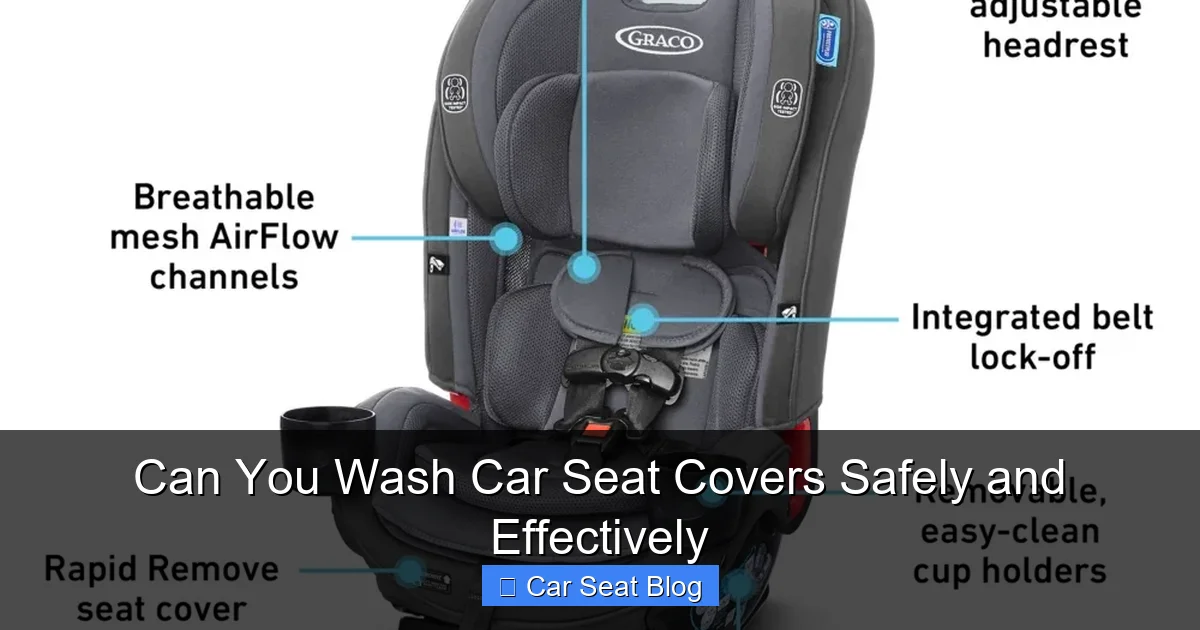
Visual guide about Can You Wash Car Seat Covers Safely and Effectively
Image source: delicate-leather.com
What to Look For
- Washing instructions: Does it say “machine wash,” “hand wash only,” or “spot clean only”?
- Water temperature: Some covers can handle warm water; others require cold to prevent damage.
- Dryer safety: Most labels will specify whether tumble drying is allowed and at what heat setting.
- Chemical restrictions: Avoid bleach, ammonia, or strong solvents unless explicitly approved.
If there’s no label—common with aftermarket or custom covers—research the material type and follow general guidelines for that fabric. When in doubt, err on the side of caution and choose gentler methods.
Step 2: Identify the Material Type
Not all car seat covers are created equal. The cleaning method you use depends heavily on what they’re made of. Here’s a quick breakdown of common materials and how to treat them.
Fabric (Polyester, Cotton, Blends)
Most standard seat covers are made from durable polyester or cotton blends. These are generally machine-washable but can shrink or fade if not handled properly.
Leather or Faux Leather
Real and synthetic leather should never be machine washed. Instead, use a damp cloth with a leather-safe cleaner. Over-wetting can cause cracking or peeling.
Neoprene (Waterproof Covers)
Popular for SUVs and trucks, neoprene is resistant to water and stains. It can often be machine washed on a gentle cycle, but avoid high heat.
Mesh or Breathable Fabrics
Lightweight and designed for airflow, mesh covers are delicate. Hand washing is usually best to prevent snags or stretching.
Knowing your material helps you choose the right cleaning approach and avoid costly mistakes.
Step 3: Remove the Seat Covers
To clean thoroughly, you’ll need to take the covers off the seats. This allows you to reach all sides and ensures even cleaning.
How to Remove Them Safely
- Unbuckle any straps or hooks securing the cover to the seat frame.
- Unzip or unbutton sections if applicable.
- Gently pull the cover away from the seat, starting from the top or sides.
- Take photos before removal to remember how it was installed.
Be careful not to force anything—some covers are tightly fitted. If you’re unsure, consult your vehicle manual or the cover’s installation guide.
Step 4: Pre-Treat Stains and Odors
Before washing, tackle any visible stains or lingering smells. Pre-treatment improves results and reduces the need for harsh scrubbing.
For Fabric Covers
- Blot (don’t rub) fresh spills with a clean cloth.
- Apply a small amount of enzyme-based cleaner or mild detergent to stains.
- Let it sit for 10–15 minutes before washing.
For Leather Covers
- Use a leather cleaner or a mix of mild soap and water.
- Wipe gently with a soft microfiber cloth.
- Avoid soaking—just dampen the cloth, not the leather.
For Odor Removal
Sprinkle baking soda over the cover, let it sit for a few hours (or overnight), then vacuum it off. This naturally absorbs odors without chemicals.
Step 5: Choose the Right Washing Method
Now it’s time to clean. The method depends on your cover’s material and care instructions.
Machine Washing (For Durable Fabrics & Neoprene)
- Use a front-loading washer if possible—top loaders with agitators can damage fabric.
- Select a gentle or delicate cycle with cold or warm water.
- Add a small amount of mild, non-bleach detergent.
- Wash alone or with similar colors to prevent dye transfer.
- Do not overload the machine—give the covers room to move.
Pro Tip: Place the covers in a mesh laundry bag for extra protection during the wash cycle.
Hand Washing (For Delicate or Mesh Covers)
- Fill a bathtub or large basin with cool or lukewarm water.
- Add a small amount of gentle detergent (like Woolite or baby shampoo).
- Submerge the covers and gently agitate with your hands.
- Let them soak for 15–30 minutes.
- Rinse thoroughly with clean water until no soap remains.
Spot Cleaning (For Leather or Light Soiling)
- Dampen a soft cloth with water and a drop of mild soap.
- Wipe the affected area in circular motions.
- Dry immediately with a clean, dry cloth.
- Condition leather covers afterward to maintain softness.
Step 6: Dry the Seat Covers Properly
Drying is just as important as washing. Improper drying can lead to mildew, shrinkage, or warping.
Air Drying (Recommended for Most Covers)
- Lay the covers flat on a clean towel or hang them over a clothesline.
- Avoid direct sunlight, which can fade colors and weaken fibers.
- Ensure good airflow—use a fan if needed.
- Flip or rotate the covers occasionally for even drying.
Tumble Drying (Only If Approved)
- Use the lowest heat setting or air-only cycle.
- Remove covers while slightly damp to prevent over-drying.
- Never use high heat on neoprene, mesh, or elastic materials.
Never reinstall wet or damp covers—this can lead to mold and unpleasant odors inside your car.
Step 7: Reinstall the Covers
Once completely dry, it’s time to put the covers back on.
Steps for Proper Reinstallation
- Refer to your photos or installation guide.
- Start by aligning the cover with the seat shape—front, back, and sides.
- Secure straps, hooks, or zippers carefully.
- Smooth out wrinkles to ensure a snug, professional fit.
- Test the seat by sitting on it—make sure it doesn’t slip or bunch up.
A well-fitted cover not only looks better but also protects your original seats more effectively.
Troubleshooting Common Issues
Even with careful cleaning, problems can arise. Here’s how to handle them.
Shrinkage After Washing
This usually happens when hot water or high heat is used. Unfortunately, shrunken covers may not fit properly. To prevent this, always use cold or lukewarm water and air dry.
Fading or Discoloration
Caused by harsh detergents, bleach, or sun exposure. Use color-safe cleaners and dry in the shade. For minor fading, fabric dye kits can help restore color.
Stiff or Crunchy Texture
Common with neoprene or over-dried fabric. Add a fabric softener during the rinse cycle (if safe for the material) or gently stretch the cover while damp.
Mold or Mildew Smell
If covers weren’t fully dried before reinstallation, mold can grow. Remove them immediately, wash again with vinegar or a mildew remover, and dry thoroughly in sunlight (if safe for the fabric).
Final Thoughts
So, can you wash car seat covers? Absolutely—as long as you respect the material, follow care instructions, and use gentle methods. Regular cleaning not only keeps your car looking fresh but also extends the life of both your covers and your original seats. Whether you’re dealing with coffee spills, pet hair, or just everyday dirt, the right approach makes all the difference.
By following this guide, you’ll avoid common pitfalls and keep your seat covers in top condition. Remember: when in doubt, hand wash, air dry, and treat stains early. Your car—and your passengers—will thank you.