Can I Use 10W-40 Instead of Recommended Oil – Find Out

Can you use 10W-40 instead of recommended oil? Learn when it’s okay, when it’s risky, and what can happen if you switch.
Can you use 10W-40 instead of recommended oil? Learn when it’s okay, when it’s risky, and what can happen if you switch.

Can you use 10W-30 instead of recommended oil? Learn when it is safe, when it is not, and how to check your manual first.

Can you use 0W-8 instead of recommended oil? Learn when it’s safe, when it’s risky, and how to check your engine’s approval.
Learn when 0W-30 is a safe substitute, when it is not, and how to check your owner’s manual before switching oil grades.

Can you use 0W-20 instead of recommended oil? Learn when it’s safe, when it isn’t, and how to check your vehicle’s manual.

Learn why engine oil turns black, when it is normal, and when dark oil signals contamination, wear, or overdue maintenance.

Learn why your car is losing oil with no leak, the hidden causes, warning signs, and the best ways to diagnose and fix it.

Learn why European cars need special oil, how approvals work, and how to choose the right formula for your engine.

Learn why engine oil turns thick, the warning signs to watch for, and what to do before it affects engine performance.

Learn why some cars need 0W-16 oil, how it protects modern engines, and whether it’s the right choice for your vehicle.

Learn why white smoke after an oil change happens, how to spot harmless vapor, and what fixes to try before driving again.

Learn what OEM approved oil means, how to spot it, and why it matters for modern engines, warranties, and long-term protection.

Learn what motor oil is, how it protects engines, which type to choose, and when to change it for better performance and reliability.
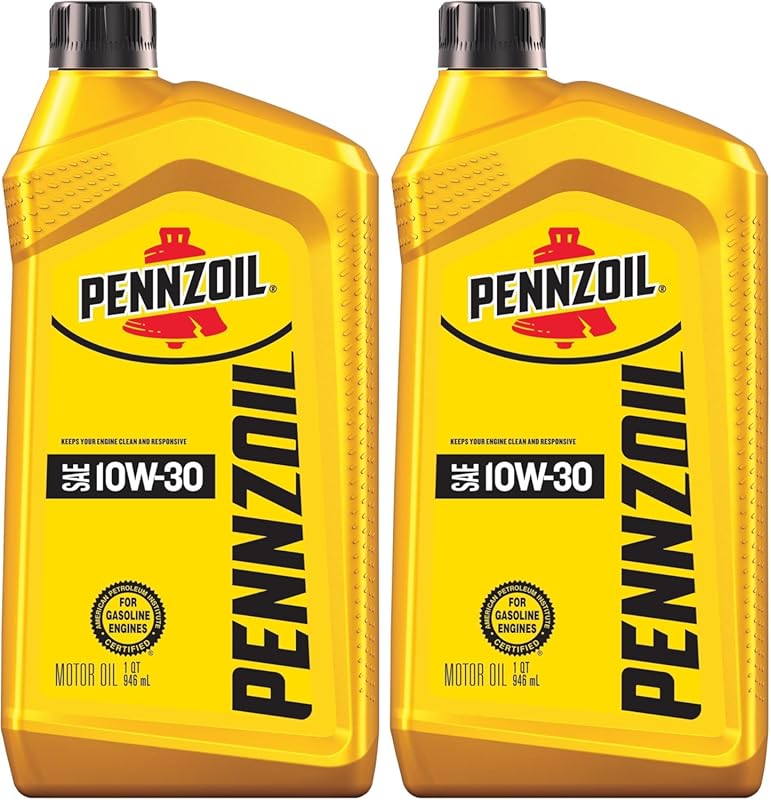
Discover the best oil for naturally aspirated engine performance, protection, and smoother driving with top picks for car owners and detailers.

Learn what low SAPS engine oil means, which cars need it, and how to choose the right spec for DPF and GPF protection.