Summer car washes matter because heat, UV rays, bugs, bird droppings, and road grime can damage your paint faster than many owners expect. Regular washing helps protect the finish, keeps the car looking good, and makes it easier to spot small problems before they turn into bigger repairs.
I’m Ethan Miles, and I see this question come up a lot when the weather gets hot. The short version is simple: summer is rough on a car’s exterior, and washing it regularly is one of the easiest ways to protect it.
In this guide, I’ll explain why summer washing matters, what can happen if you skip it, how often to wash, and the best ways to do it without causing new damage.
Why Summer Weather Makes Car Washing More Important for Car Owners
How heat, UV rays, and road grime work together in summer
Summer heat does more than make the cabin uncomfortable. It also speeds up how fast dirt, dust, and grime stick to your paint. When the surface gets hot, contaminants can bond more tightly and become harder to remove later.
UV rays are another problem. Over time, sun exposure can weaken wax, dry out plastic trim, and dull the clear coat. If road grime sits on top of that, the surface takes more abuse and loses protection faster.
A hot panel can make soap and water dry much faster than you expect. That is one reason summer washing often works best in the shade or early in the day.
Why bird droppings, bug splatter, and tree sap cause faster damage in hot weather
Bird droppings, bug splatter, and tree sap are more than ugly spots. They can be acidic or sticky, and hot weather makes them harder to remove. The longer they sit, the more likely they are to stain or etch the paint.
Bug residue is especially common on summer road trips. It can dry into a rough layer that needs careful cleaning. Tree sap can harden quickly in the sun, and bird droppings can leave marks in the clear coat if they are not washed off soon.
How summer driving conditions increase the need for regular washing
Summer usually means more driving, more outdoor parking, and more exposure to dust, pollen, construction debris, and insects. If you live near the coast, salty air can add another layer of risk. If you commute daily, your car may collect grime faster than you notice.
For drivers who park under trees, the need is even greater. Sap, pollen, and falling debris can build up quickly. A regular wash helps keep all of that from sitting on the paint for too long.
The International Carwash Association offers useful care guidance, and it’s a solid place to learn more about safe washing habits.
What Happens to Your Car If You Skip Washes in Summer?
Paint fading and clear coat breakdown from sun exposure
If you skip washes through the summer, dirt and contaminants stay on the surface longer. That matters because grime can trap heat and reduce how well your protection layer does its job. Over time, the paint can start to look dull or uneven.
The clear coat is your car’s top layer of defense. When it gets exposed to sun, heat, and contamination without regular cleaning, it can wear down faster. Once that happens, restoring the finish often takes more time and money.
Corrosion risks from salt, pollen, and coastal humidity
Not every summer problem comes from the sun. In some places, pollen, salty air, and high humidity can all speed up wear. Salt is especially hard on metal parts, and moisture can help it stick around longer.
If you drive near the ocean or on roads that get salty spray, washing is not just about looks. It helps remove material that can encourage corrosion over time. Even pollen can mix with moisture and form a sticky film that holds dirt in place.
How dirt buildup can affect visibility, trim, and exterior parts
Dirty glass is a safety issue, not just a cosmetic one. Summer glare is strong, and a film on the windshield or side windows can make visibility worse. Dirty headlights and mirrors can also reduce how well you see and are seen.
Trim pieces, badges, wheel arches, and door edges also collect grime. If dirt builds up there, it can make your car look older than it is and may hide small issues like chips, cracks, or loose seals.
Do not let bird droppings or bug splatter sit for days in hot weather. They can bond to the paint and leave marks that are much harder to remove later.
The Biggest Benefits of Regular Summer Car Washes for Owners
Protecting paint and preserving resale value
One of the biggest benefits of washing in summer is paint protection. A clean car is easier to protect with wax, sealant, or ceramic coating, and those products work better on a well-maintained surface.
That matters if you plan to sell or trade in your car later. A vehicle with clean paint, clear trim, and no heavy buildup usually makes a better first impression than one covered in baked-on grime.
Improving appearance and maintaining a cleaner interior-outside balance
A clean exterior often helps the whole car feel better cared for. When the outside is dirty, owners tend to notice dust and mess inside more, too. Regular washing keeps the car looking fresh and makes the cabin feel more balanced.
That may sound small, but it changes how you treat the vehicle. People often take better care of a car they feel proud to drive.
Helping you spot scratches, chips, and leaks early
Washing gives you a close look at the body panels, glass, tires, and seals. That makes it easier to spot small scratches, paint chips, worn rubber, or fluid leaks early. Catching these issues sooner can save time and money later.
It also helps you notice if something has changed after a road trip, storm, or parking lot scrape. A quick wash can reveal problems that a dirty car hides.
If you use a wax, sealant, or ceramic coating, washing regularly helps that protection last longer. Clean paint is easier to maintain than neglected paint.
How Often Should Car Owners Wash Their Cars During Summer?
Wash frequency based on driving habits and parking conditions
| Driving or parking situation | Suggested summer wash frequency | Why it helps |
|---|---|---|
| Daily driving, outdoor parking, lots of sun | About once a week | Removes grime before it bonds to hot paint |
| Moderate driving, covered parking, low dirt exposure | Every 2 weeks | Keeps contaminants from building up too long |
| Coastal areas, heavy pollen, road trips, or construction zones | Weekly or sooner | Helps manage salt, pollen, bugs, and dust |
| Garage-kept car with light use | Every 2 to 3 weeks | Enough for maintenance without overdoing it |
When weekly washing makes sense versus biweekly washing
Weekly washing makes sense if your car gets parked outside, driven every day, or exposed to bugs, sap, or salt air. It also helps if you care a lot about appearance or have a dark-colored car that shows dust fast.
Biweekly washing can work if your car stays cleaner between drives and is parked in a garage or shaded area. The key is not the calendar alone. It is how much grime your car picks up and how quickly it bakes on.
Signs your car needs a wash sooner than scheduled
If the windshield feels hazy, the paint looks dusty, or you can feel grit when you run a finger across the surface, it is time to wash. Fresh bug splatter, bird droppings, and tree sap are also clear signs you should not wait.
Another clue is how the car looks after rain. If water dries and leaves spots or streaks all over the body, the surface probably needs a proper clean.
Best Summer Car Wash Tips for Better Protection
Choose the right time of day to avoid water spots and soap drying too fast
Early morning or late evening is usually best. Cooler surfaces help water and soap stay wet long enough for you to clean properly. That lowers the chance of streaking and water spots.
Use pH-balanced soap and soft microfiber tools
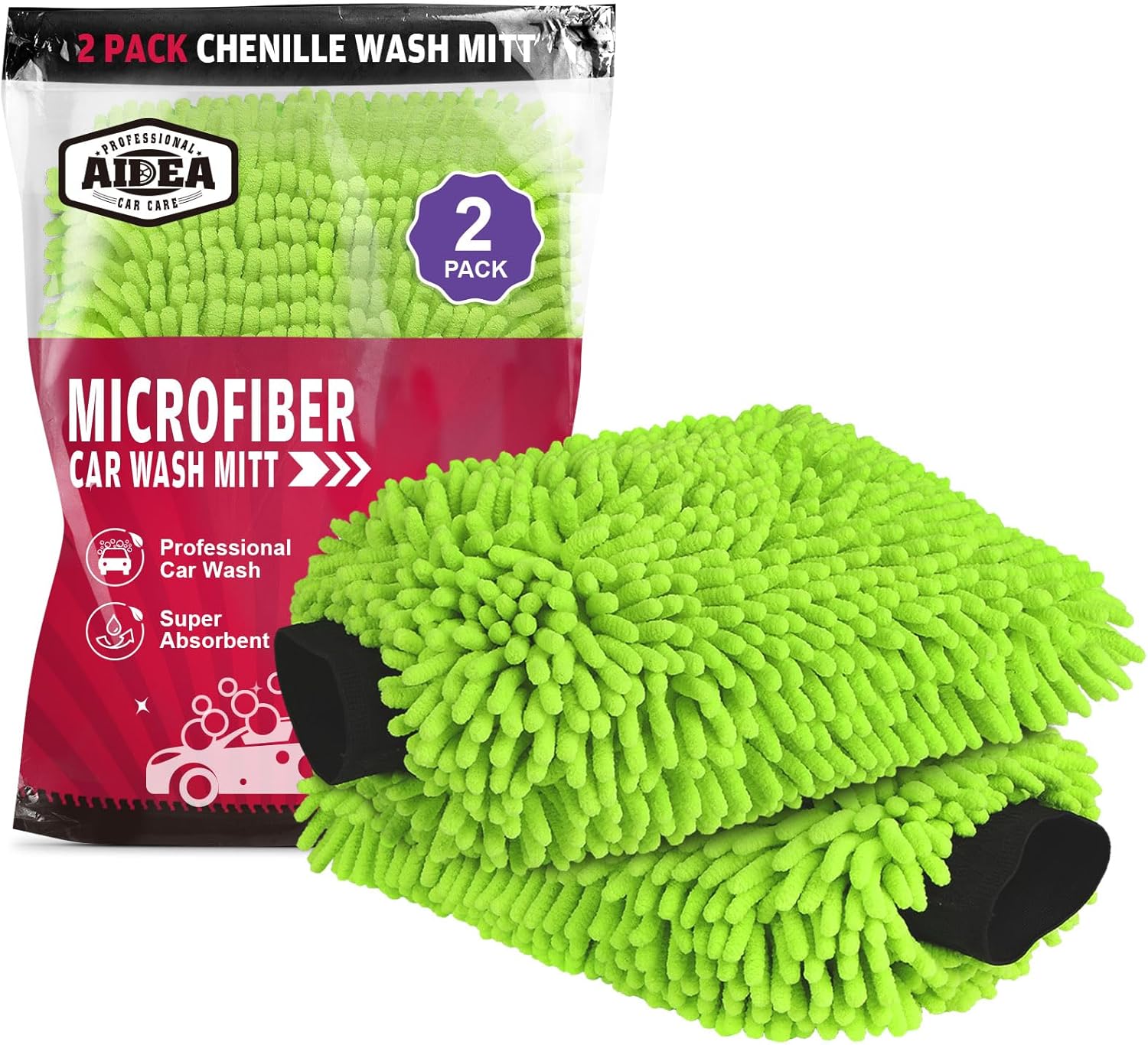
Choose a car wash soap made for automotive paint. pH-balanced soap is a safer pick because it is less likely to strip protection or dry out trim. Soft microfiber mitts and towels also help reduce the chance of scratches.
Consumer Reports car washing guidance is helpful if you want a practical, safety-first approach to exterior cleaning.
Rinse off bugs, sap, and dust before they bake onto the paint
Do not wait too long after a drive. If bugs or sap are fresh, a good rinse is often much easier than trying to remove hardened residue later. A pre-rinse also helps lift loose dust before you touch the surface.
This simple step can save paint from unnecessary rubbing and reduce the chance of swirl marks.
Don’t forget wheels, undercarriage, door jambs, and glass
Wheels collect brake dust and road film fast in summer. Door jambs catch dirt that gets missed from the outside. Glass and mirrors need attention too, because glare is stronger in bright weather.
If you drive near salt air or on dirty roads, the undercarriage matters as well. A thorough wash should cover the parts that collect the most grime, not just the shiny panels.
Use two buckets if you hand wash: one for soapy water and one for rinsing the mitt. It helps keep grit off the paint.
Hand Wash vs. Automatic Wash in Summer: Which Is Better?
Pros and cons of hand washing in hot weather
- More control over delicate paint and trim
- Better for bug splatter, sap, and spot cleaning
- Easy to inspect the car while washing
- Takes more time in the heat
- Can leave spots if you work in direct sun
- Needs clean tools and good technique
Hand washing is often the gentlest option if you do it correctly. In summer, though, you need to work fast enough to keep soap from drying on the surface. Shade helps a lot.
Pros and cons of touchless and brush car washes
- Fast and convenient
- Useful when you need a quick clean
- Touchless systems reduce contact with paint
- May miss stubborn bug or sap spots
- Brush systems can leave fine marks on some finishes
- Not ideal for heavily contaminated cars
Automatic washes are convenient, and touchless options can be a good fit for busy owners. Brush systems can clean well, but I would be careful with older paint or vehicles that already have swirl marks.
Which option works best for different car owner needs
If you want the best control and the safest touch on the paint, hand washing is usually the better pick. If you need convenience and wash often, a quality touchless wash can work well. For many owners, the best choice is a mix: hand wash when the car is dirty or covered in bugs, and use a touchless wash when time is tight.
- Wash sooner after road trips
- Use clean microfiber towels
- Rinse off heavy dirt before scrubbing
- Use a dirty brush or old bath towel
- Let soap dry on hot panels
- Ignore wheels and lower panels
Summer Car Wash Mistakes That Can Hurt Your Vehicle
Washing in direct sunlight and letting soap dry on the surface
This is one of the most common summer mistakes. Hot panels make soap dry fast, which can leave spots and streaks. It can also make the wash harder because you keep chasing dried residue across the car.
Using harsh chemicals, old sponges, or dirty towels
Strong chemicals can strip protection or damage trim. Old sponges can trap grit. Dirty towels can drag debris across the paint and leave fine scratches. Clean tools matter just as much as good soap.
Skipping drying steps and leaving mineral spots behind
Water left on the car can dry into mineral spots, especially if your water is hard. That can leave marks on glass, paint, and chrome. A soft drying towel or blower helps finish the job cleanly.
You notice bubbling paint, rust spots, peeling clear coat, or water getting into lights, seals, or trim. Those are signs the issue goes beyond a normal wash.
Does a Summer Car Wash Save Money Over Time?
How washing helps reduce paint correction and detailing costs
Regular washing can help you avoid the kind of buildup that leads to extra detailing work. When dirt, sap, and bug residue sit too long, they can stain or etch the finish. Fixing that often costs more than routine cleaning.
Why maintenance washes can protect wax, sealant, and ceramic coatings
Protective products last longer when the surface is cleaned properly. A maintenance wash removes road film and contamination without wearing down the finish as much as neglect can. That helps wax, sealant, and coatings stay effective.
The long-term cost of neglect compared with routine care
Neglect usually looks cheaper at first. But over time, you may pay more for paint restoration, trim replacement, or a full detail. Routine washing is a small habit that can help avoid bigger bills later.
Summer car washing matters because heat and sun make grime more damaging, not less. A regular wash protects the paint, keeps the car looking better, and helps you catch problems early.
Why Summer Car Wash Matters for Car Owners: Quick Answers to Common Questions
Yes, weekly washing is fine for many cars in summer, especially if you drive often, park outside, or deal with bugs, pollen, or salt air. Just use proper tools and avoid washing in direct sun.
Yes. Wax can add a layer of protection and make it easier for dirt and bugs to wash off later. It also helps the paint keep a cleaner look between washes.
If the rain was dirty, left spots, or followed a dusty drive, then yes, a wash is a good idea. Rain can leave behind minerals and grime once it dries.
Yes. A proper wash removes bird droppings, bugs, and sap before they have more time to stain or etch the paint. The sooner you clean them off, the better.
Yes, touchless washing is usually safe and convenient in summer. It may not remove every stubborn spot, but it is a solid option when you need a quick clean.
- Summer heat makes dirt, bugs, sap, and bird droppings more damaging.
- Regular washing helps protect paint, trim, and glass.
- Weekly or biweekly washing depends on driving, parking, and local conditions.
- Shade, microfiber tools, and pH-balanced soap make summer washing safer.
- Routine washing can help avoid bigger repair and detailing costs later.