If you’re asking how often to clean spring pollen off your car, the short answer is: as often as it shows up in noticeable amounts. For many drivers, that means every day during peak pollen season, every 2–3 days in moderate conditions, and at least weekly for low-exposure or garaged cars.
Spring pollen can make a clean car look dusty in no time. It can also leave a film on glass, collect in trim, and make your car harder to keep clean if you wait too long.
I’m Ethan Miles, and in this guide I’ll walk you through how often to remove spring pollen, what signs mean your car needs attention now, and the safest ways to clean it without harming the finish.
What “How Often Should You Do Spring Pollen?” Means for Car Owners
Pollen is not just a cosmetic issue. When it sits on a car, it can mix with moisture, dirt, and road grime, which makes cleaning harder later.
Why spring pollen builds up so quickly on vehicles
Spring pollen is light, dry, and easy for wind to move around. Cars are big flat surfaces, so pollen settles on paint, glass, mirrors, badges, and trim fast.
If you park outside near trees, grass, or open fields, buildup can happen in just a few hours. Yellow, green, or tan dust often shows up again right after washing, which is why timing matters so much.
For general pollen season guidance, the U.S. Environmental Protection Agency is a useful source for understanding outdoor air and seasonal particles.
The difference between light dusting, heavy pollen, and pollen embedded in trim
Light dusting means you can see a thin layer on the car, but the surface still looks smooth. Heavy pollen leaves an obvious yellow-green coating that changes the color of the car.
Embedded pollen is the tricky one. It works its way into door seals, grille openings, emblems, window trim, windshield cowl areas, and vent gaps. That buildup takes more than a quick rinse to remove.
How Often You Should Remove Spring Pollen From Your Car
| Driving and parking situation | How often to clean pollen | Best approach |
|---|---|---|
| Peak pollen season, outdoor parking, daily driving | Daily | Rinse or wash often, especially after heavy buildup |
| Moderate pollen exposure | Every 2–3 days | Quick rinse, then wash when needed |
| Garaged or low-exposure vehicle | Weekly minimum | Inspect often and clean before pollen hardens |
| After rain or damp weather | As soon as practical | Rinse and wash, because wet pollen can stick more firmly |
Daily cleaning frequency during peak pollen season
During a heavy pollen stretch, daily cleaning is the safest routine for cars that sit outside. You do not always need a full wash, but you should at least rinse off the loose pollen before it gets wet, gritty, or sticky.
A fast rinse is often enough if the car only has a fresh layer and no road grime. If you drive through rain, dusty roads, or tree-heavy parking areas, a full wash may be better.
Every 2–3 days for moderate pollen exposure
If your area gets pollen but not a thick daily coating, cleaning every 2–3 days is a solid middle ground. That keeps buildup from settling into crevices and reduces the chance of rubbing grit across the paint.
This schedule works well for people who commute but still park in a driveway or garage part of the time.
Weekly minimum for garaged or low-exposure vehicles
Even a garage-kept car can collect pollen when the doors are open or when you drive it outside. A weekly wash or rinse is a good minimum, even if the car looks fairly clean.
Note: If the car is stored inside most of the time, check the windshield, mirrors, and hood first. Those areas often show pollen before the rest of the car does.
When rain makes pollen buildup worse, not better
Rain can make pollen stick to the car instead of washing it away. Once pollen gets damp, it can turn into a paste that clings to paint and trim.
After the rain dries, you may be left with a rough film that is harder to remove than dry pollen. That is why a rainy day does not always mean your car got a free wash.
Signs Your Car Needs Pollen Cleaning Right Away
If you can write your name in the dust on the hood, the pollen layer is thick enough to clean soon.
Yellow-green film on paint, glass, mirrors, and badges
The clearest sign is a visible yellow-green haze. It often shows up first on the hood, roof, windshield, side mirrors, and around emblems.
Once that film is obvious, it is best not to wait. The longer it sits, the more likely it is to mix with moisture and road dirt.
Reduced visibility and wiper streaking on the windshield
Pollen on glass can create a hazy look, especially in bright sun or at night under headlights. If your wipers leave streaks, the windshield may need cleaning right away.
That matters for safety as much as appearance. Clear glass gives you better visibility in rain and glare.
Pollen sticking to wax, ceramic coating, or fresh detailing
Even a well-protected car can collect pollen. Wax and ceramic coating help make cleaning easier, but they do not stop pollen from landing on the surface.
If pollen seems to grab onto the finish after a detail, that usually means it is time for a rinse or wash. Protection helps, but it is not a shield against buildup.
Allergy symptoms inside the cabin after opening doors
If you open the doors and feel sneezing, itchy eyes, or a stuffy nose, pollen may be getting into the cabin. It can cling to floor mats, seats, vents, and the top of the dashboard.
In that case, exterior cleaning and cabin cleaning both matter.
How Spring Pollen Affects Paint, Clear Coat, and Exterior Surfaces
Do not dry wipe heavy pollen off paint. That is one of the fastest ways to create fine scratches and dull spots.
Why dry pollen can scratch if wiped incorrectly
Dry pollen itself feels soft, but it often traps tiny bits of dirt. If you wipe it across the car with a dry towel, those particles can act like sandpaper.
That is how light marring and swirl marks start. The risk is even higher on dark paint, where marks are easier to see.
How moisture turns pollen into a stubborn paste
When pollen gets wet, it can swell and stick. Mix in dust or road film, and it becomes a sticky paste that clings to textured areas and seams.
That paste can leave residue on badges, around mirrors, and in panel gaps. It may also smear across the windshield if you try to wipe it too soon.
Which surfaces trap pollen most: seals, emblems, grilles, and vents
Flat panels show pollen clearly, but the worst buildup often hides in small spaces. Rubber seals, grille openings, hood edges, emblems, and cowl vents are common trouble spots.
These areas need extra attention during spring because pollen settles there and stays put.
Best Spring Pollen Cleaning Routine by Vehicle Use
Daily driver routine for high-pollen days
Use a gentle hose rinse to remove the dry layer before touching the paint.
If the pollen is mixed with dirt, use a proper car wash method instead of a quick wipe.
Use a soft towel and light pressure so you do not drag grit across the finish.
Clean mirrors, windshield edges, emblems, and door seals where pollen likes to hide.
Weekend or low-mileage vehicle routine
If you only drive the car on weekends, inspect it before and after each drive. A weekly wash is usually enough unless pollen is unusually heavy in your area.
Try to keep the car covered or parked in shade when possible, but remember that a cover can also collect pollen and grit. If you use one, shake or rinse it regularly.
Garage-kept vehicle routine
Garage-kept cars still need attention, just less often. A weekly check is smart, and a light rinse helps prevent pollen from bonding to the paint.
If the car stays spotless most of the week, focus on the windshield, roof, hood, and the front grille area first.
Fleet, work truck, or rideshare routine
Work vehicles see more exposure because they are on the road more often and usually park outside. For these vehicles, daily exterior checks are worth it during peak pollen season.
That keeps the vehicle looking more professional and helps reduce pollen transfer into the cabin for drivers and passengers.
Best Ways to Clean Spring Pollen Without Damaging the Finish
Rinse-first method versus dry wiping
The rinse-first method is the safer choice almost every time. It removes loose pollen before you touch the surface, which lowers the chance of scratching.
Dry wiping should only be used for very light dust on non-delicate areas, and even then I would rather rinse first if water is available.
Safe washing frequency during pollen season
You can wash often during pollen season if you use safe methods. A proper wash with clean mitts and good rinse water is better than waiting until the car is coated and dirty.
What matters most is technique. Gentle washing is fine; aggressive scrubbing is not.
Microfiber, wash mitt, and hose setup tips
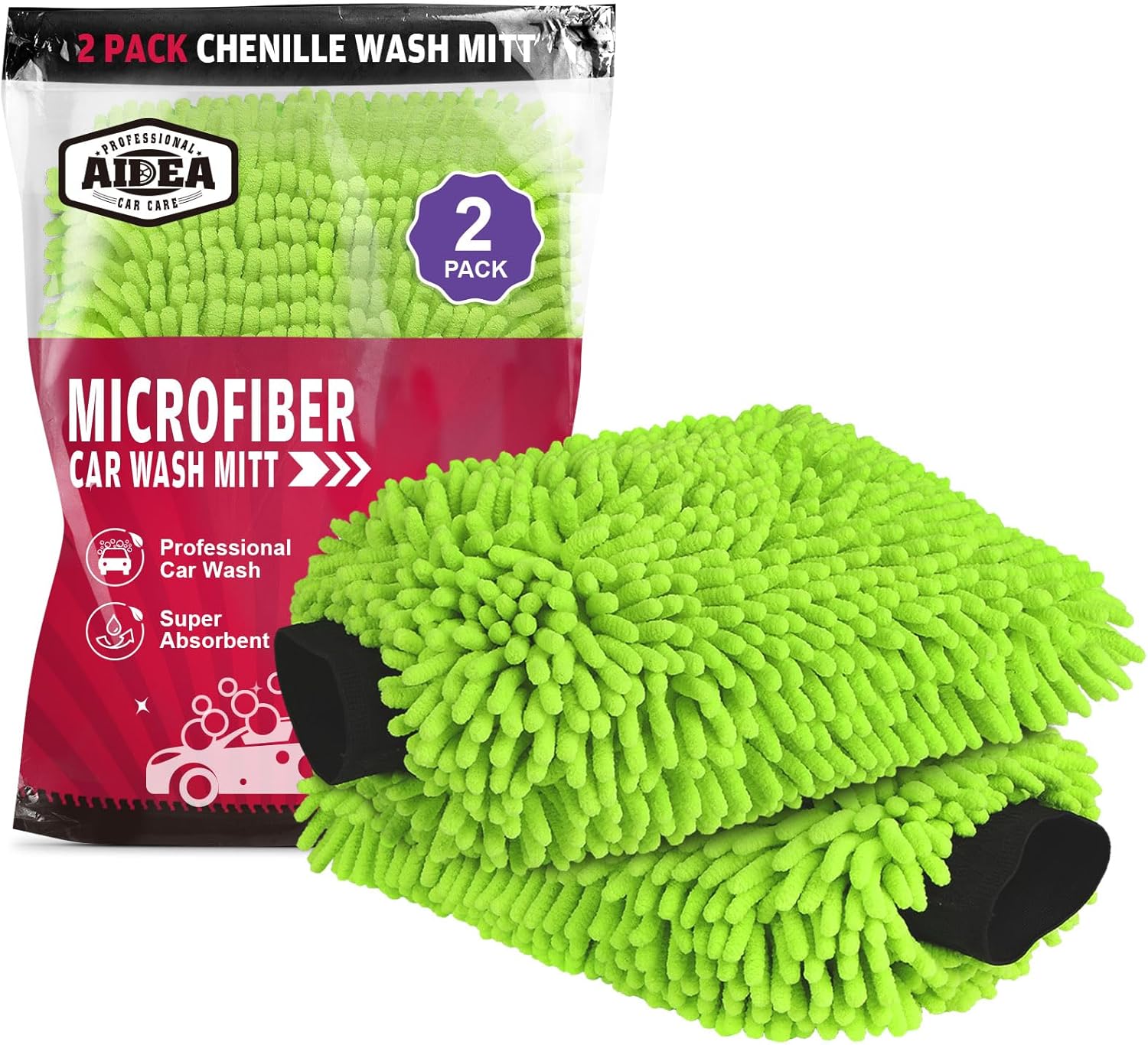
Use clean microfiber towels, a soft wash mitt, and plenty of rinse water. If you can, use separate towels for paint, glass, and wheels.
A hose with a gentle spray setting is usually enough to loosen pollen. You do not need high pressure for normal spring buildup.
Quick detail spray: when it helps and when it does not
Quick detail spray can help with a tiny amount of fresh pollen on a mostly clean car. It adds slickness and makes light dust easier to lift.
It does not work well on heavy pollen, wet pollen, or a car that already has dirt on it. In those cases, rinsing is the safer move.
For vehicle care basics from a trusted source, I also like the advice and maintenance guidance from Consumer Reports car maintenance resources, since they stress safe washing habits and regular upkeep.
Pros and Cons of Cleaning Spring Pollen Frequently
Pros: better appearance, less allergy irritation, less residue buildup
Frequent cleaning keeps the car looking better and helps stop pollen from turning into a sticky layer. It can also make the cabin more comfortable for drivers and passengers with allergies.
Pros: lower risk of paint marring and windshield haze
When pollen is removed before it hardens, there is less chance of rubbing grit into the paint. Clean glass also stays clearer, which helps when the sun hits the windshield at a low angle.
Cons: more time, water use, and possible over-washing
Cleaning more often takes time, and it uses more water and supplies. If you wash too often with poor technique, you can also wear down protection faster than needed.
Cons: improper frequent cleaning can still damage paint
Even a frequent wash routine can cause harm if towels are dirty or the car is wiped while dry. The goal is not just to clean more often, but to clean the right way.
- Rinse the car before touching the paint whenever pollen is visible.
- Keep separate microfiber towels for paint, glass, and interior surfaces.
- Pay extra attention to windshield edges, grille openings, and door seals.
- Wash sooner after rain if pollen has turned into a sticky film.
- Use a gentle routine instead of aggressive wiping, even if the car looks lightly dusty.
you notice clogged exterior vents, persistent windshield haze, or cabin air that stays dusty even after cleaning. A mechanic or detailer can check for blocked intake areas, worn cabin filters, or deeper contamination.
For spring pollen, the best schedule is based on exposure: daily in heavy pollen season, every 2–3 days in moderate conditions, and at least weekly for garage-kept or low-use cars. If the pollen is visible, wet, or starting to cling, clean it sooner rather than later.
Spring Pollen Cleaning FAQ: Timing, Frequency, and Storage Questions
Yes, if it is just a light layer and you plan to clean it soon. But if heavy pollen is sitting on the car, I would rinse or wash it as soon as practical so it does not mix with moisture and dirt.
If the car is heavily coated and parked outside, washing after a heavy pollen day is a smart habit. If you cannot do a full wash, a gentle rinse is still better than letting the buildup sit.
Rain can do both. Light rain may move some pollen, but damp pollen often turns sticky and clings to the car more tightly once it dries.
Vacuum and wipe the cabin at least weekly during peak pollen season, and more often if you have allergies or carry passengers regularly. Also check the cabin air filter if dust and pollen keep coming back.
No. Wax or ceramic coating can make pollen easier to remove, but they do not stop it from landing on the car. You still need a regular cleaning routine.
- Clean spring pollen daily during heavy pollen season if your car sits outside.
- Every 2–3 days is a good target for moderate exposure.
- Weekly is the minimum for garaged or low-use vehicles.
- Do not dry wipe heavy pollen off paint.
- Rinse first, wash gently, and clean trim and glass carefully.