
This beginner-friendly guide walks you through crocheting a custom car seat cover from start to finish. You’ll learn essential techniques, material choices, and fitting tips to create a stylish, protective cover that fits your car seat perfectly.
Key Takeaways
- Choose the right yarn: Opt for durable, washable yarn like acrylic or cotton to withstand daily use and frequent cleaning.
- Measure your car seat accurately: Take precise measurements of the seat back, base, and sides to ensure a snug, tailored fit.
- Use simple stitches for beginners: Stick to basic stitches like single crochet, half-double crochet, or granny squares for an easy, forgiving project.
- Work in sections: Crochet separate pieces for the seat base, backrest, and sides, then seam them together for better shaping.
- Safety first: Ensure the cover doesn’t interfere with seat belts, airbags, or child safety features—never cover airbag indicators.
- Wash and maintain regularly: Hand-wash or machine-wash gently to keep your crochet cover fresh and long-lasting.
- Personalize your design: Add colors, stripes, or appliqués to match your car’s interior or your personal style.
How to Crochet Car Seat Cover for Beginners
If you’re new to crochet but love DIY projects, making a car seat cover is a fun and practical way to combine creativity with functionality. Not only does a handmade crochet cover protect your car seat from spills, pet hair, and wear, but it also adds a personal touch to your vehicle’s interior. Plus, it’s a great way to use up leftover yarn!
In this guide, we’ll walk you through every step of crocheting a car seat cover—from choosing materials to finishing touches. Whether you drive a compact car or an SUV, you’ll learn how to measure, design, and stitch a cover that fits like a glove. Don’t worry if you’re a beginner; we’ll keep things simple, clear, and stress-free.
Why Crochet a Car Seat Cover?
Crocheting your own car seat cover offers several benefits. First, it’s cost-effective—store-bought covers can be pricey, especially for custom or luxury vehicles. Second, you can tailor the design to your exact preferences, from color to texture. Third, handmade items often feel more special and meaningful.
A crochet cover also provides gentle cushioning and breathability, especially if you use natural fibers like cotton. It’s perfect for pet owners, parents, or anyone who wants to keep their car seats clean and stylish.
Materials You’ll Need
Before you start, gather these supplies:
- Yarn: Choose medium-weight (worsted) yarn in a durable, machine-washable fiber. Acrylic blends are ideal for beginners because they’re affordable, easy to care for, and come in many colors. Cotton is another great option for breathability.
- Crochet hook: A 5.0mm (H/8) hook works well with worsted yarn. Adjust slightly if your tension is tight or loose.
- Measuring tape: Essential for accurate measurements.
- Scissors and yarn needle: For cutting and weaving in ends.
- Stitch markers: Helpful for marking corners or sections.
- Safety pins or clips: To temporarily hold pieces together while fitting.
Step 1: Measure Your Car Seat
The key to a perfect fit is precise measuring. Remove the headrest if possible (most covers don’t include it for safety reasons). Use a soft measuring tape and record the following:
Seat Base
- Width (left to right)
- Depth (front to back)
- Height of the front edge (if it curves upward)
Backrest
- Width at the top and bottom (they may differ)
- Height from base to top
- Depth (how far it curves backward)
Side Bolsters (if applicable)
- Measure the height and width of the raised sides on the seat base and backrest.
Write down all measurements and add 1–2 inches (2.5–5 cm) for seam allowance and ease. This ensures the cover isn’t too tight.
Step 2: Choose Your Pattern and Stitch
As a beginner, stick to simple, repetitive patterns. Here are three great options:
Single Crochet (SC)
This stitch creates a tight, dense fabric that’s durable and great for high-use areas. It’s perfect for the seat base where spills might occur.
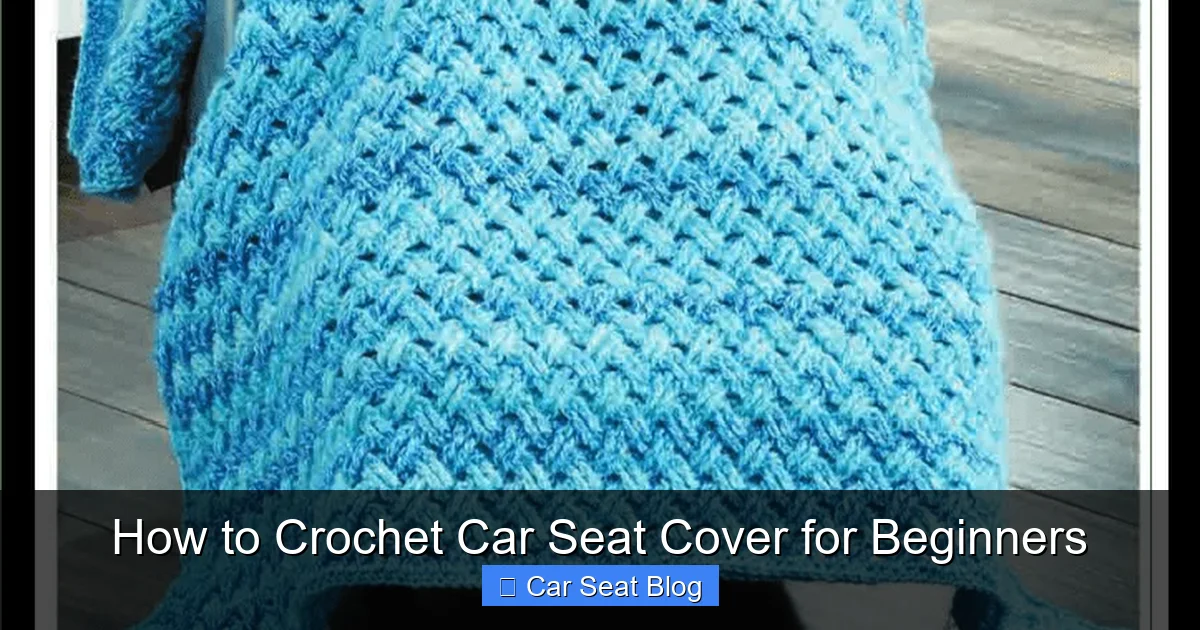
Visual guide about How to Crochet Car Seat Cover for Beginners
Image source: i.pinimg.com
Half-Double Crochet (HDC)
Faster than single crochet and slightly looser, HDC offers a nice balance of structure and drape. Ideal for the backrest.
Granny Square or Motif Panels
If you want a decorative look, crochet granny squares and join them. This works well for a patchwork-style cover.
For most covers, we recommend using HDC for the main body because it’s quick and flexible.
Step 3: Crochet the Seat Base
Start with the seat base—it’s usually the largest piece.
Calculate Your Starting Chain
Make a test swatch: crochet 10 stitches and measure the width. Divide your seat base width by the swatch width to determine how many stitches you need. Add 2–3 extra stitches for seam allowance.
Begin Crocheting
- Chain the required number of stitches.
- Work in rows using your chosen stitch (e.g., HDC).
- Continue until the piece matches the depth of your seat base.
- Fasten off and weave in ends.
Tip: If your seat has a curved front edge, gently shape the last few rows by decreasing every few stitches.
Step 4: Crochet the Backrest
The backrest is similar but may be taller and narrower at the top.
Adjust for Tapering
If the backrest is wider at the bottom, start with a wider chain and decrease gradually. For example, decrease 1 stitch every 4 rows to create a gentle taper.
Work in Rows
- Chain the starting number based on your bottom width measurement.
- Crochet rows until the piece reaches the top height.
- Decrease as needed for shaping.
- Fasten off when complete.
Step 5: Add Side Panels (Optional)
If your seat has raised bolsters, crochet narrow panels to cover the sides.
Measure and Crochet
- Measure the height and width of each side.
- Crochet a rectangle using the same stitch and yarn.
- Make one for the seat base side and one for the backrest side.
These panels help the cover stay in place and look more finished.
Step 6: Seam the Pieces Together
Now it’s time to assemble your cover.
Pin and Test Fit
Lay the pieces over your car seat and pin them together with safety pins. Adjust if needed—this is your chance to fix any fit issues before sewing.
Sew the Seams
- Use a yarn needle and matching yarn to sew the pieces together.
- Use the whip stitch or mattress stitch for a clean, strong seam.
- Start at the bottom of the backrest and work your way down to the seat base.
- Sew the side panels in place.
Tip: Sew by hand for better control, especially around curves.
Step 7: Add Finishing Touches
Your cover is almost ready! Add these final details:
Elastic or Ties (Optional)
To keep the cover secure, sew elastic loops or fabric ties to the underside. Attach them to the seat frame or existing hooks if available.
Decorative Edges
- Add a simple single crochet border around the entire cover for a polished look.
- Use a contrasting color for a pop of style.
Personalize It
Embellish with appliqués, tassels, or embroidered initials. Just make sure decorations don’t interfere with safety features.
Safety Tips and Considerations
While crochet covers are stylish and functional, safety should always come first.
- Never cover airbag indicators or deployment zones. Most side airbags deploy from the seat back—avoid stitching over these areas.
- Ensure seat belts remain accessible and unobstructed. Don’t sew the cover too tightly around belt anchors.
- Check child seat compatibility. If you use a car seat, make sure the cover doesn’t interfere with proper installation.
- Test the fit regularly. Over time, yarn may stretch. Re-pin and adjust if the cover becomes loose.
When in doubt, consult your vehicle’s manual or a certified child passenger safety technician.
Troubleshooting Common Issues
Even experienced crocheters run into problems. Here’s how to fix common ones:
Cover is Too Tight or Too Loose
If it’s tight, add a few extra stitches in the next row or use a larger hook. If it’s loose, try a smaller hook or tighter tension. You can also add elastic for a snugger fit.
Edges Curl
This happens with certain stitches like single crochet. Add a border of half-double or double crochet to flatten the edges.
Seams Pucker
Don’t pull the yarn too tight when sewing. Keep stitches even and gentle.
Yarn Pills or Wears Quickly
Switch to a higher-quality, tightly spun yarn. Avoid fuzzy or loosely plied fibers for high-wear areas.
Caring for Your Crochet Car Seat Cover
To keep your cover looking great:
- Wash regularly: Machine wash on gentle cycle with mild detergent, or hand wash in cool water.
- Dry flat: Lay the cover flat on a towel to dry. Avoid wringing or hanging, which can stretch the shape.
- Spot clean spills: Use a damp cloth and mild soap for quick cleanups.
- Store properly: When not in use, fold and store in a breathable bag to prevent moths and dust.
Conclusion
Crocheting a car seat cover is a rewarding project that blends creativity with practicality. With just a few skeins of yarn, a hook, and some patience, you can create a custom cover that protects your seats and reflects your personality.
Remember to measure carefully, choose durable yarn, and prioritize safety. Start simple, and as you gain confidence, experiment with colors, textures, and patterns. Whether you’re covering a driver’s seat, passenger seat, or even a child’s booster, your handmade touch will make every drive feel a little more special.
So grab your hook, pick your favorite color, and start stitching—your car (and your hands) will thank you!