
Connecting car seat covers doesn’t have to be frustrating. This guide walks you through the process with clear, easy-to-follow steps so you can install your covers in minutes—not hours. Whether you’re a first-timer or upgrading your setup, you’ll get a snug, professional-looking fit every time.
Key Takeaways
- Preparation is key: Always clean your seats and read the instructions before starting to avoid common mistakes.
- Match your cover type: Universal, semi-custom, and custom-fit covers require slightly different installation methods.
- Use the right tools: A seat cover installation tool or a soft cloth can help you tuck fabric smoothly without tearing.
- Secure all straps and hooks: Properly connecting straps, hooks, and Velcro ensures the cover stays in place during use.
- Work from top to bottom: Start at the headrest and move downward for a wrinkle-free, snug fit.
- Check airbag compatibility: Never block side airbags—ensure your cover has designated openings or is designed for airbag deployment.
- Take your time: Rushing leads to misalignment and gaps; patience ensures a clean, long-lasting installation.
How to Connect Car Seat Covers Quickly and Easily
If you’ve ever wrestled with a tangled mess of fabric trying to install car seat covers, you’re not alone. Whether you’re protecting your seats from spills, pets, or daily wear and tear, a well-installed seat cover makes a big difference in both comfort and appearance. The good news? Connecting car seat covers doesn’t have to be a headache. With the right approach, you can get a snug, professional-looking fit in under 20 minutes.
This guide will walk you through every step—from prep work to final adjustments—so you can install your seat covers quickly and easily. Whether you’re using universal covers, semi-custom, or custom-fit options, these tips apply to most vehicle types and seat styles.
Why Proper Installation Matters
Before we dive into the steps, let’s talk about why it’s important to connect car seat covers correctly. A poorly installed cover can slip, bunch up, or even interfere with seat functions like heating, airbags, or child seat anchors. Worse, it might look messy and defeat the purpose of upgrading your interior.
On the other hand, a properly connected seat cover:
- Protects your original upholstery from stains, tears, and fading
- Enhances comfort with added padding or breathable materials
- Gives your car a fresh, clean look
- Maintains safety by not blocking airbags or seat mechanisms
So, let’s get started—your seats are waiting!
Step 1: Gather Your Tools and Materials
You don’t need a full toolbox, but having the right items on hand makes the job much smoother. Here’s what you’ll need:
- Your new car seat covers (check that they match your seat type)
- A soft cloth or microfiber towel
- A seat cover installation tool (optional but helpful—often included with premium covers)
- A small flathead screwdriver or plastic trim tool (for tucking fabric into tight spaces)
- A vacuum cleaner (to clean the seats first)
Pro tip: If your covers came with straps, hooks, or Velcro, lay them out so you know what you’re working with. Some covers use elastic bands, while others have adjustable straps for a tighter fit.
Step 2: Clean Your Seats Thoroughly
You wouldn’t paint a dirty wall, right? The same logic applies here. Dirt, crumbs, and oils can prevent the cover from lying flat and may even damage the fabric over time.
Vacuum the Seats
Use a vacuum with a crevice tool to remove dust and debris from seams, under the cushions, and around the headrest. Pay special attention to areas where fabric tends to bunch up.
Wipe Down with a Damp Cloth
Dampen a microfiber cloth with water or a mild upholstery cleaner and wipe down the entire seat. Avoid soaking the fabric—just a light wipe to remove surface grime. Let the seats dry completely before installing the covers.
Remove Headrests (If Possible)
Many seat covers are easier to install with the headrest removed. Check your vehicle’s manual—most headrests pop out with a button or lever. Set them aside in a safe spot so you don’t lose any parts.
Step 3: Identify Your Seat Cover Type
Not all seat covers are created equal. Knowing your cover type helps you install it correctly:
Universal Covers
These are designed to fit a wide range of vehicles. They’re affordable but may require more adjustments to get a snug fit. Look for elastic edges and adjustable straps.
Semi-Custom Covers
These are tailored for specific car makes and models but may not be exact. They usually fit better than universal covers and often include pre-cut openings for armrests and airbags.
Custom-Fit Covers
Made specifically for your vehicle’s year, make, and model. These offer the best fit and often come with detailed installation guides.
Check the packaging or product description to confirm your cover type. If you’re unsure, take a photo of your seat and compare it to the product images online.
Step 4: Start at the Top – Install the Headrest Cover
Even if you removed the headrest, now’s the time to put it back—or install the cover directly onto it.
Slide the Cover Over the Headrest
Most headrest covers are designed like a pillowcase. Simply slide the open end over the top of the headrest and pull it down until it’s snug.
Secure with Straps or Elastic
Some covers have small straps that loop around the headrest posts. Fasten these tightly to prevent slipping. If your cover uses elastic, stretch it gently to ensure a tight fit without tearing.
Reattach the Headrest (If Removed)
Carefully push the headrest back into the seat, making sure the cover doesn’t get pinched or twisted. Test the headrest by moving it up and down—it should function normally.
Step 5: Drape the Main Seat Cover
Now it’s time to tackle the seat itself.
Position the Cover Correctly
Lay the cover over the seat, aligning it with the headrest and seat base. Make sure the front of the cover matches the front of the seat—don’t install it backward!
Tuck the Fabric into the Seat Gaps
Use your hands or a soft tool to tuck the excess fabric into the crevices between the seat back and cushion. This prevents wrinkles and gives a clean, tailored look.
Pro tip: Work from the center outward to avoid bunching. If the fabric resists, don’t force it—adjust the positioning and try again.
Step 6: Connect Straps, Hooks, and Fasteners
This is where many people get stuck—but it’s easier than it looks.
Locate the Attachment Points
Most covers have straps or hooks that connect underneath the seat. Look for:
- Elastic loops that stretch around seat frames
- Plastic hooks that clip onto metal bars
- Velcro strips that stick to the seat base
Attach the Straps
Start with the straps at the front of the seat. Pull them under the cushion and connect them to the corresponding hooks or loops on the opposite side. Tighten them just enough to remove slack—don’t over-tighten, or the fabric may tear.
Secure the Back Straps
Flip the seat cover’s rear flap over the back of the seat. Attach any rear straps or Velcro to the underside of the seat or the backrest frame.
Check for Even Tension
Once all straps are connected, sit in the seat and adjust as needed. The cover should feel snug but not stretched. If one side is loose, tighten the corresponding strap.
Step 7: Tuck and Smooth the Fabric
A professional finish comes down to the details.
Use a Tool for Tight Spaces
If fabric won’t stay tucked into narrow gaps, use a plastic trim tool or the edge of a credit card to gently push it in. Avoid metal tools—they can tear the cover.
Smooth Out Wrinkles
Run your hands over the surface to remove any bumps or folds. Pay attention to the sides and corners, where fabric tends to pucker.
Adjust the Armrest and Cup Holder Openings
If your cover has pre-cut openings, make sure they align perfectly with your seat’s features. Trim any excess fabric carefully with scissors if needed—but only if the manufacturer allows it.
Step 8: Test for Safety and Functionality
Before you call it a day, do a quick safety check.
Check Airbag Compatibility
Never install a cover that blocks side airbags. Look for labels or stitching that indicate “airbag compatible.” If your cover doesn’t have designated openings, it may not be safe for your vehicle.
Test Seat Adjustments
Move the seat forward, backward, up, and down. Make sure the cover doesn’t restrict movement or get caught in the mechanisms.
Verify Heating and Cooling Functions
If your seat has heating or ventilation, test it to ensure the cover doesn’t interfere. Some covers are designed with breathable materials for this purpose.
Troubleshooting Common Issues
Even with careful installation, you might run into a few hiccups. Here’s how to fix them:
Problem: The Cover Keeps Slipping
Solution: Double-check that all straps are securely fastened. If the cover is too loose, consider using additional Velcro strips or non-slip seat pads underneath.
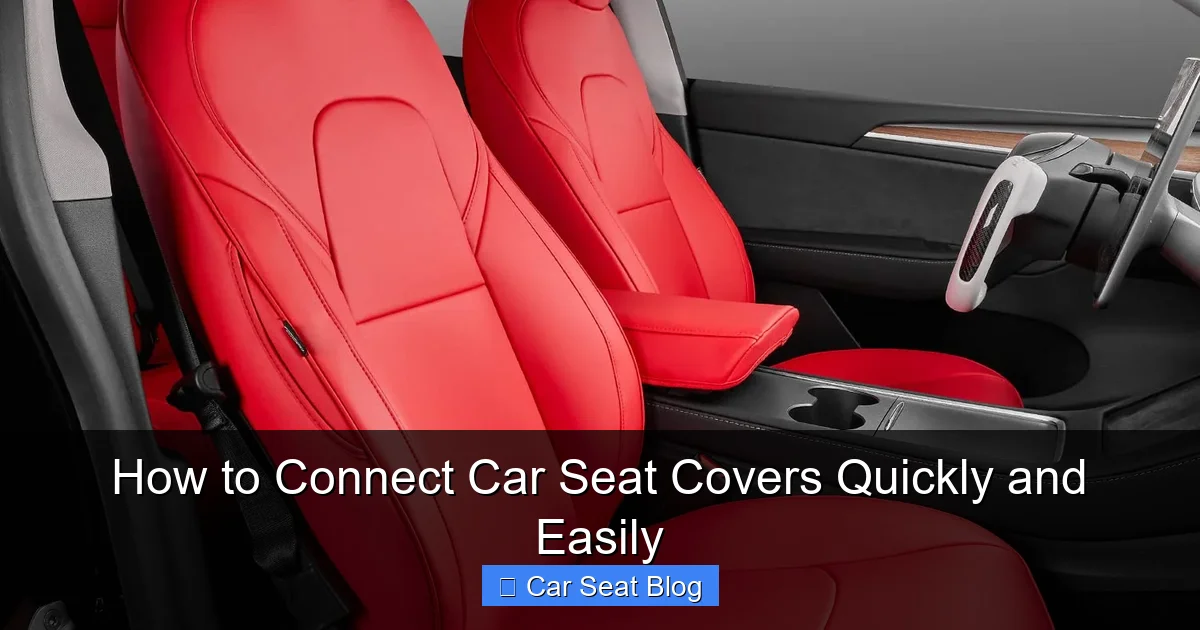
Visual guide about How to Connect Car Seat Covers Quickly and Easily
Image source: m.media-amazon.com
Problem: Wrinkles or Bunching
Solution: Remove the cover and reinstall it, paying extra attention to tucking fabric into the seat gaps. Sometimes a second try makes all the difference.
Problem: Straps Won’t Reach
Solution: Some universal covers have shorter straps. Try repositioning the cover or contact the manufacturer for extension straps.
Problem: Cover Blocks Airbag
Solution: Stop using the cover immediately. Only use covers labeled as airbag-safe or designed for your specific vehicle model.
Final Tips for Long-Lasting Results
Once your covers are installed, a little maintenance goes a long way:
- Vacuum the covers monthly to prevent dirt buildup
- Spot-clean stains promptly with a mild cleaner
- Avoid sharp objects (like keys or pet claws) that can tear the fabric
- Remove and re-install covers if you need to clean underneath
And remember: Connecting car seat covers quickly and easily is all about preparation and patience. The first install might take a little longer, but once you get the hang of it, you’ll be a pro in no time.
Conclusion
Installing car seat covers doesn’t have to be a frustrating chore. By following these steps—cleaning your seats, choosing the right cover, and connecting straps securely—you can achieve a clean, professional look that protects your investment and enhances your driving experience.
Whether you’re shielding your seats from kids, pets, or daily commutes, a well-installed cover makes all the difference. So grab your tools, take a deep breath, and get started. Your car—and your sanity—will thank you.