
In this guide, you’ll learn how to check fuel pressure with an OBD2 scanner to get accurate and reliable results. We’ll walk you through the entire process, from understanding fuel pressure basics to interpreting scanner data, ensuring you can diagnose fuel system problems with confidence.
Quick Answers to Common Questions
What if my OBD2 scanner doesn’t show fuel pressure data?
Not all vehicles have a fuel pressure sensor accessible via OBD2. Try using a scanner with enhanced or manufacturer-specific protocols, or consider a mechanical gauge for direct measurement.
Can I check fuel pressure without starting the engine?
The engine usually needs to run to get an accurate fuel pressure reading because the fuel pump operates only when the engine is on.
How often should I check fuel pressure?
Check fuel pressure if you notice engine issues like rough idling, stalling, or poor acceleration, or during regular fuel system maintenance.
Is it safe to use an OBD2 scanner while driving?
It’s best to check fuel pressure with the vehicle parked and engine running to ensure safety and stable readings.
Can fuel pressure issues cause the check engine light to come on?
Yes, problems like low or high fuel pressure can trigger diagnostic trouble codes that turn on the check engine light.
How to Check Fuel Pressure with OBD2 Scanner for Accurate Results
Fuel pressure is a key factor for your vehicle’s engine to run smoothly. Too high or too low pressure can cause poor performance, stalling, or even engine damage. Traditionally, checking fuel pressure required special mechanical gauges, but today’s OBD2 scanners make this easier and safer.
In this guide, you’ll learn how to check fuel pressure with an OBD2 scanner step-by-step. We’ll cover what fuel pressure is, how the OBD2 system monitors it, how to use your scanner, and how to interpret the data for accurate diagnosis.
Understanding Fuel Pressure and Its Importance
Fuel pressure is the force that pushes fuel from the tank to the engine’s injectors. It must stay within specific limits for the engine to get the right fuel air mix. Too low pressure means the engine starves for fuel; too high can flood the engine or damage components.
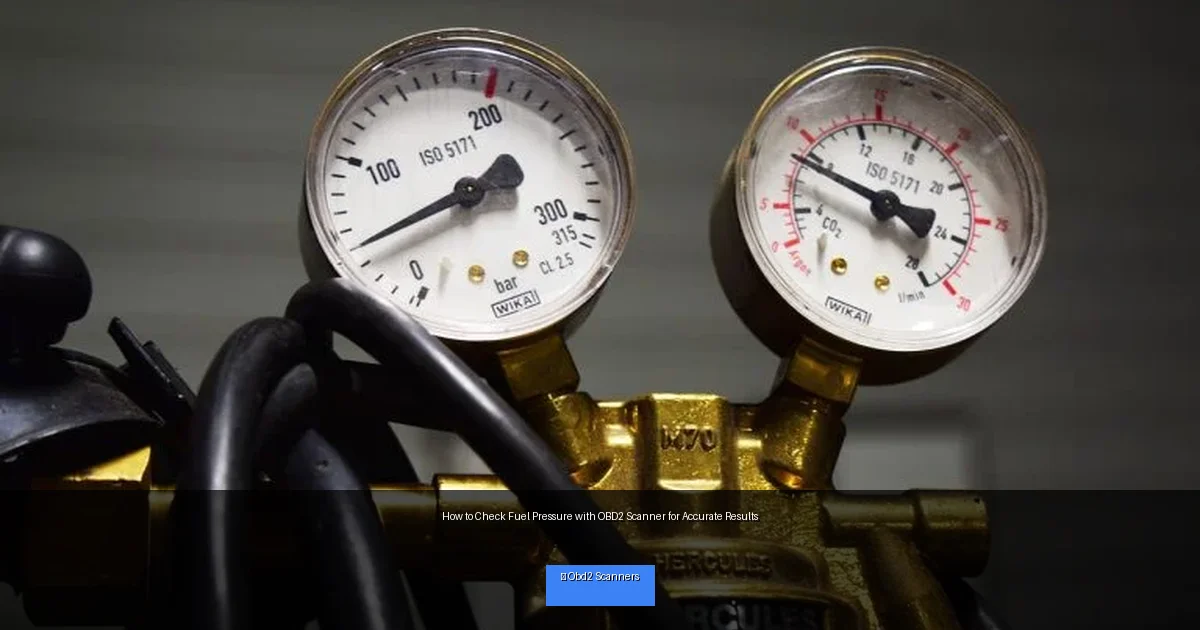
Visual guide about How to Check Fuel Pressure with OBD2 Scanner for Accurate Results
Image source: obdforcar.com
Modern vehicles have sensors like the fuel rail pressure sensor that monitor this pressure and send data to the engine control unit (ECU). The ECU uses this data to adjust fuel delivery and optimize performance.
Can You Directly Check Fuel Pressure with an OBD2 Scanner?
Most OBD2 scanners can’t measure fuel pressure physically but can read live data from the fuel pressure sensor if your vehicle has one. This data gives you a real-time reading of fuel pressure, helping you diagnose issues without mechanical gauges.
Some advanced scanners or scan tools with manufacturer-specific protocols offer detailed fuel system data, including fuel pressure.
What You Need Before You Start
- An OBD2 scanner with live data capabilities (preferably with fuel system monitoring features).
- Your vehicle’s owner’s manual or repair manual (for sensor location and specs).
- Basic knowledge of OBD2 ports and vehicle electronics.
- Safety gear (gloves, safety glasses).
Step-by-Step Guide: How to Check Fuel Pressure with OBD2 Scanner
Step 1: Locate the OBD2 Port
The OBD2 port is usually under the dashboard near the steering column. Consult your vehicle manual if you have trouble finding it.
Step 2: Connect Your OBD2 Scanner
Plug the scanner into the OBD2 port. Turn the ignition key to the “ON” position but don’t start the engine yet. This powers the ECU and scanner.
Step 3: Power On and Initialize the Scanner
Turn on your OBD2 scanner. Wait for it to establish communication with the vehicle’s ECU. This may take a few seconds.
Step 4: Navigate to Live Data or Data Stream Mode
Using the scanner’s menu, find the “Live Data,” “Data Stream,” or “Sensor Data” option. This mode displays real-time sensor values.
Step 5: Find Fuel Pressure Sensor Data
Look for parameters like “Fuel Rail Pressure,” “Fuel System Pressure,” or similar. The exact label depends on your scanner and vehicle.
Step 6: Read and Record the Fuel Pressure
Turn on the engine and observe the fuel pressure reading. It should stabilize at a value specified by your vehicle manufacturer (check your manual).
Step 7: Interpret the Data
Compare the live fuel pressure value with the manufacturer’s specifications. If the pressure is too low or too high, it indicates a possible problem like a failing fuel pump, clogged filter, or faulty pressure regulator.
Step 8: Additional Testing (If Needed)
If your scanner does not show fuel pressure, or you want to verify, invest in a mechanical fuel pressure gauge for cross-checking. Some vehicles do not have a fuel pressure sensor accessible via OBD2.
Practical Tips for Accurate Results
- Use a quality OBD2 scanner: Cheap scanners may not display fuel pressure data.
- Warm up your engine: Fuel pressure readings are more accurate when the engine is at operating temperature.
- Check for trouble codes: If the ECU has stored codes related to fuel system pressure, note them before live data reading.
- Repeat readings: Take multiple readings to confirm stability and consistency.
- Cross-reference with symptoms: Fuel pressure data should correlate with engine behavior.
Troubleshooting Common Issues
Scanner Won’t Connect
Ensure the ignition is on. Check scanner compatibility with your vehicle. Try a different OBD2 port if available.
No Fuel Pressure Data Displayed
Your vehicle may not have a fuel pressure sensor accessible via OBD2. Check the manual or try a more advanced scanner.
Inconsistent or Fluctuating Readings
Check for loose connections or electrical interference. Ensure the engine is stable and at operating temperature.
Fuel Pressure Outside Spec
If the reading is off, inspect the fuel pump, pressure regulator, and fuel filter. Consult a professional mechanic if unsure.
Conclusion
Checking fuel pressure with an OBD2 scanner is a smart way to diagnose fuel system issues without expensive tools. While not all vehicles provide direct fuel pressure sensor data, many do, and understanding how to access and interpret this data can save you time and money.
Remember to use a reliable scanner, follow safety precautions, and cross-check data with your vehicle’s specs. With these steps, you’ll be confident in monitoring fuel pressure and maintaining your vehicle’s performance.
🎥 Related Video: The basics on live data obd2 scanner
📺 Good2Boost
Just a general explanation on how to read live data on a cars obd2 scanner click the link at the start of the video for a better …