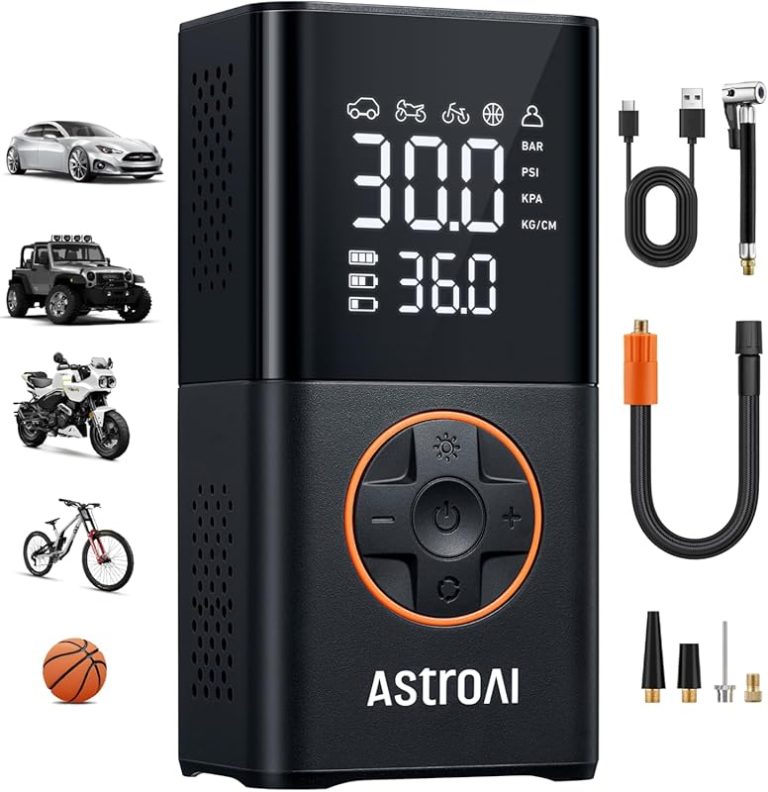
Does a Tire Inflator Drain Car Battery Safe Usage Guide

Yes, a tire inflator can drain a car battery, especially if the engine is off or the battery is weak. For safest use, run the engine, keep inflation sessions short, and stop if the car starts showing signs of strain.
Many drivers ask the same practical question before plugging in an emergency pump: does a tire inflator drain car battery? The short answer is yes, it can use enough power to lower battery voltage, but in most normal situations a compact inflator should not kill a healthy battery if you use it correctly.
The real risk depends on the inflator type, how long it runs, whether the engine is on, and the condition of the battery. In other words, the tool itself is usually not the problem; the combination of a weak battery, long inflation time, and poor usage habits is what causes trouble.
- Battery load: A tire inflator uses real power, but short use is usually manageable.
- Best practice: Running the engine reduces stress on the car battery.
- Higher risk: Weak batteries, cold weather, and long inflation times increase drain.
- Safer backup: A portable power station can protect the starting battery.
Does a Tire Inflator Drain Car Battery? What Drivers Need to Know in 2025
A tire inflator draws electrical power from the vehicle or from its own battery, so some drain is normal. The question is not whether it uses power, but whether the usage is small enough that the car can handle it safely.
For most compact emergency inflators, a short top-off on one tire is a modest load. Problems are more likely when the tire is very low, when several tires need air, or when the car battery is already aging or cold-soaked.
If you are also dealing with repeated battery issues, it may help to understand broader charging behavior, such as how the alternator charges battery and how long the vehicle can support accessories before voltage drops too far.
How Tire Inflators Use Power: 12V Socket, Portable Battery, and Plug-In Models
Most consumer tire inflators fall into three groups. The first plugs into a 12V socket, the second uses its own rechargeable battery, and the third runs from household-style power through an inverter or wall outlet setup.
Each style shifts the power burden differently. A 12V model depends on the car’s electrical system, a portable battery model depends on its internal charge, and a plug-in model may need a separate power source that is not always practical roadside.
Why some inflators pull more current than others
Not all inflators are built the same. Bigger pumps, faster motors, digital displays, and higher-pressure output can all increase current draw.
A compact unit meant for occasional emergency use may pull less power than a larger compressor designed for frequent or heavy-duty use. Hose length, motor efficiency, and whether the unit is trying to inflate from very low pressure also affect demand.
Check the inflator label or manual for the rated current draw before relying on it in an emergency. That gives you a better idea of how hard it may work the battery.
How inflation time affects battery drain
Time matters as much as power draw. A short 2- to 5-minute fill is much easier on the battery than a long session trying to recover a tire from very low pressure.
The longer the compressor runs, the more energy it uses and the more heat it creates. If a tire has a slow leak or is nearly flat, the inflator may run long enough to stress a weak battery or trip the unit’s duty-cycle limits.
How Much Battery Drain Is Normal During Tire Inflation?
There is no single universal number because inflators vary widely. Still, for a healthy car battery, normal use usually means a temporary voltage drop rather than a serious drain.
The key is whether the battery rebounds after the inflator stops. If the car starts normally afterward and the battery was already in good shape, the drain was probably manageable.
Typical power draw for compact emergency inflators
Compact emergency inflators commonly draw enough current that they should be treated like a meaningful accessory load, not like a phone charger. That does not mean they are dangerous; it means they are best used with the engine running when possible.
Higher-output inflators can draw more, especially when they are trying to build pressure quickly. If you are unsure, assume the inflator is a moderate load and avoid using it for long periods with the engine off.
What happens when the engine is off vs. running
With the engine off, the inflator pulls directly from the battery. That is fine for brief use, but it becomes riskier if the battery is old, cold, or already partly discharged.
With the engine running, the alternator helps support the inflator and reduces the strain on the battery. This is usually the safer choice for 12V inflators because it lowers the chance of ending up with a car that will not restart.
Signs the battery is being stressed
Watch for dimming interior lights, a slowing compressor sound, dashboard warnings, or difficulty starting the engine after inflation. Those are practical signs that the system is under more strain than expected.
If the inflator stops early, the fuse blows, or the car struggles to crank afterward, the battery may already be near its limit. In that situation, ask a professional to check the battery, charging system, and fuse circuit.
If your car cranks slowly after using an inflator, do not keep retrying accessories. Repeated attempts can leave you stranded with too little power to start the vehicle.
Safe Ways to Use a Tire Inflator Without Killing the Battery
The safest approach is simple: reduce load, reduce runtime, and avoid using a weak battery as your main power source. A few good habits can make a big difference in whether the inflator causes a minor voltage dip or a no-start problem.
Best practices for inflating with the engine running
Whenever practical, start the engine before using a 12V inflator. Keep the car in a well-ventilated area, park safely, and make sure the accessory socket is rated for the load you are asking it to carry.
Do not run extra accessories at the same time unless you have to. Headlights, cabin fans, heated seats, and audio systems all add load, which can make the inflator work harder against the electrical system.
- Start the engine before inflating if possible
- Turn off unnecessary accessories
- Use the inflator in short intervals
- Stop if the unit or socket gets unusually hot
When to use a portable power station instead
A portable power station can be a smarter option if your car battery is weak, the weather is very cold, or you need to inflate several tires. It separates the job from the car’s starting battery, which reduces the chance of getting stranded.
This is especially useful if you want a backup that can also support other small emergency loads. Just make sure the power station’s output matches the inflator’s needs before relying on it.
Tips for monitoring voltage and avoiding overload
If you have a voltmeter or a car accessory monitor, keep an eye on voltage during use. A noticeable drop can be a sign to stop and let the system recover.
Also respect the inflator’s duty cycle. Many compact compressors are not meant to run continuously for long stretches, and overheating can damage the unit even if the battery itself survives.
Real-World Examples: Inflation Scenarios That Can Drain a Battery Faster
Battery drain is usually manageable in simple situations, but some real-world cases create more strain than drivers expect. The difference often comes down to how much air is missing and how long the compressor has to work.
Low tire pressure after a slow leak
If a tire has lost a small amount of pressure over time, the inflator may only need a short run to bring it back to normal. That is typically a low-risk scenario for a healthy battery.
However, if the leak has been ignored for days or weeks, the compressor may need much longer to recover the tire. In that case, the battery and the inflator both work harder, and a professional tire repair may be the better next step.
Inflating multiple tires back-to-back
One tire at a time is usually manageable. Four tires in a row, especially from low pressure, can add up quickly.
Even if each individual fill seems harmless, the combined runtime may be enough to stress a weak battery or overheat the inflator. If you need to inflate several tires, run the engine and give the compressor breaks as needed.
Using an older or weak car battery
An older battery has less reserve capacity, so it is less forgiving when accessories draw power. A situation that would be harmless on a newer battery can become a no-start problem on one that is already marginal.
This is where battery condition matters as much as inflator size. If your battery already struggles in the morning, using a compressor with the engine off is a gamble.
For more background on weak-battery behavior, see signs of a bad car battery and why cold conditions can make the issue worse.
Common Mistakes Drivers Make When Using Tire Inflators
Most battery-related problems come from avoidable usage mistakes. The inflator may be fine, but the way it is used can turn a simple top-off into a roadside headache.
Leaving the car accessory mode on too long
Accessory mode can power the socket without running the engine, but it also keeps the battery doing all the work. That is fine for short tasks, but not ideal for a long inflation session.
Drivers sometimes assume accessory mode is safer because the car is “on,” yet the battery is still the main power source unless the engine is running. That distinction matters a lot.
Running the inflator on a weak battery in cold weather
Cold weather reduces battery performance and makes the compressor work harder. That combination can create a bigger voltage drop than drivers expect.
If you want more detail on seasonal strain, it is worth understanding why cold weather kills battery. The short version is that cold temperatures reduce available power right when the inflator may need more of it.
Ignoring fuse limits, duty cycles, and overheating warnings
Some 12V sockets are fused for limited output, and some inflators are not designed for continuous use. If either limit is ignored, the result can be a blown fuse, a hot plug, or a stalled compressor.
Do not override safety warnings just to finish the job faster. If the inflator manual says to pause between runs, take the pause.
Fuse ratings, socket limits, and duty-cycle guidance vary by vehicle and inflator model. When in doubt, check both manuals before using the compressor for extended periods.
Cost and Convenience Comparison: Tire Inflator vs. Roadside Help vs. Portable Air Compressor
The cheapest option is not always the safest or the most convenient. The right choice depends on how often you deal with low pressure, whether you trust your battery, and whether you need a true emergency backup.
| Option | Best For | Limit |
|---|---|---|
| 12V tire inflator | Quick roadside top-offs | Depends on car battery and runtime |
| Portable power station | Weak batteries and repeated use | Costs more and must stay charged |
| Roadside help | Flat tires, uncertain leaks, or no safe inflation | May take time to arrive |
Which option is safest for battery health
A portable power station is usually safest for the car battery because it avoids drawing directly from the starting battery. Roadside help is also safe for battery health because it removes the electrical load from your vehicle entirely.
A 12V inflator is still fine for many drivers, but it is the option most likely to affect battery voltage if the engine is off or the battery is already weak.
Which option makes the most sense for emergency use
For everyday emergency readiness, a compact inflator is often the most convenient because it is easy to store and quick to deploy. It is especially useful for small pressure corrections and slow losses.
If you frequently drive in cold weather, have an older battery, or need to service multiple tires, a portable compressor or power station may be the more practical long-term choice. If the tire is severely damaged, ask for professional help instead of forcing inflation.
Prices and capabilities vary widely by brand, battery size, and compressor output, so compare features rather than assuming the cheapest tool is the best value.
Expert Warning Signs and Final Recap: When to Stop and Get Help
The safest rule is to stop when the vehicle or inflator starts telling you something is wrong. A tire inflator should make a small repair easier, not create a second emergency.
When battery drain becomes a roadside risk
Stop if the car has trouble starting, the inflator slows dramatically, the socket gets hot, or you notice repeated fuse failures. Those signs suggest the electrical system is under more strain than it should be.
If the battery is already weak, the tire is nearly flat, or the compressor is overheating, it may be smarter to call for roadside help or a tire shop. That is especially true when you are far from home or in unsafe weather.
Quick recap for safe tire inflator use in 2025
A tire inflator can drain a car battery, but normal use on a healthy battery is usually manageable. The safest setup is to run the engine, keep inflation sessions short, and avoid relying on a weak battery for long compressor use.
If you remember only one thing, remember this: a tire inflator is a helpful emergency tool, but it is not a substitute for good battery health, proper tire maintenance, and knowing when to ask a professional.
Frequently Asked Questions
Usually not during short use on a healthy battery. The risk rises when inflation takes a long time, the battery is weak, or the engine is off.
It can be safe for brief inflation, but it puts the full load on the battery. Running the engine is usually the safer choice for 12V inflators.
Yes, if the battery is already weak or the inflator runs for a long time. A healthy battery is much less likely to have trouble after a short fill.
The safest setup is usually with the engine running and unnecessary accessories turned off. A portable power station can also reduce strain on the car battery.
Cold weather reduces battery performance and can make the compressor work harder. That combination can increase voltage drop and make starting more difficult.
Get help if the tire is severely low, the inflator overheats, the battery struggles to start the car, or the fuse keeps blowing. Those are signs the situation needs more than a simple top-off.