
Our readers keep the lights on and my garage snacks stocked. As an Amazon Associate, I earn from qualifying purchases.
Specs are compiled from manufacturer listings and verified buyer reviews and can change over time — please confirm the key details on the product page before buying.
That puddle under the front bumper and the sweet smell coming from the hood mean one thing: your coolant is escaping somewhere it shouldn’t. A coolant leak sealer is the pour-in rescue that finds the crack and plugs it from the inside, often saving you a trip to the shop and a four-figure repair bill.
I’m Min Islam — the founder and writer behind Trending Car. This guide is built by comparing the manufacturers’ published specifications and the patterns across verified customer reviews, so you get each pick’s real strengths and trade-offs instead of marketing spin.
Settling on the right coolant leak sealer means matching the formula type to the size and location of your leak before you pour a single drop.
Our Picks at a Glance

How To Choose The Best Coolant Leak Sealer
The first question is not which bottle to buy — it is where the leak is. A weeping radiator seam and a blown head gasket are different problems, and the right sealer for one may waste your money on the other.
Match the formula to the leak size
Metallic and ceramic formulas both ride the coolant through the system until they reach the breach. Metallic sealers use fine metal particles that pack into the gap, while ceramic types form a coating layer. For a slow drip, either works. For a gushing split, no pour-in product will hold.
Prep decides permanence
Several of the strongest repair stories share the same ritual: drain the old coolant, flush the system, refill with plain water, run the engine hot, and only then add the sealer. Skipping the flush leaves old coolant and debris that can block the sealer from reaching the crack — so the fix never lands.
Quick Comparison
| Model | Best For | Formula | Bottle Size | Item Weight | Amazon |
|---|---|---|---|---|---|
| LIQUI MOLY 2533 Stop Leak Radiator★ Best Overall | Pin-hole drips & porous joints | Coolant additive | — | 8.8 oz | Amazon |
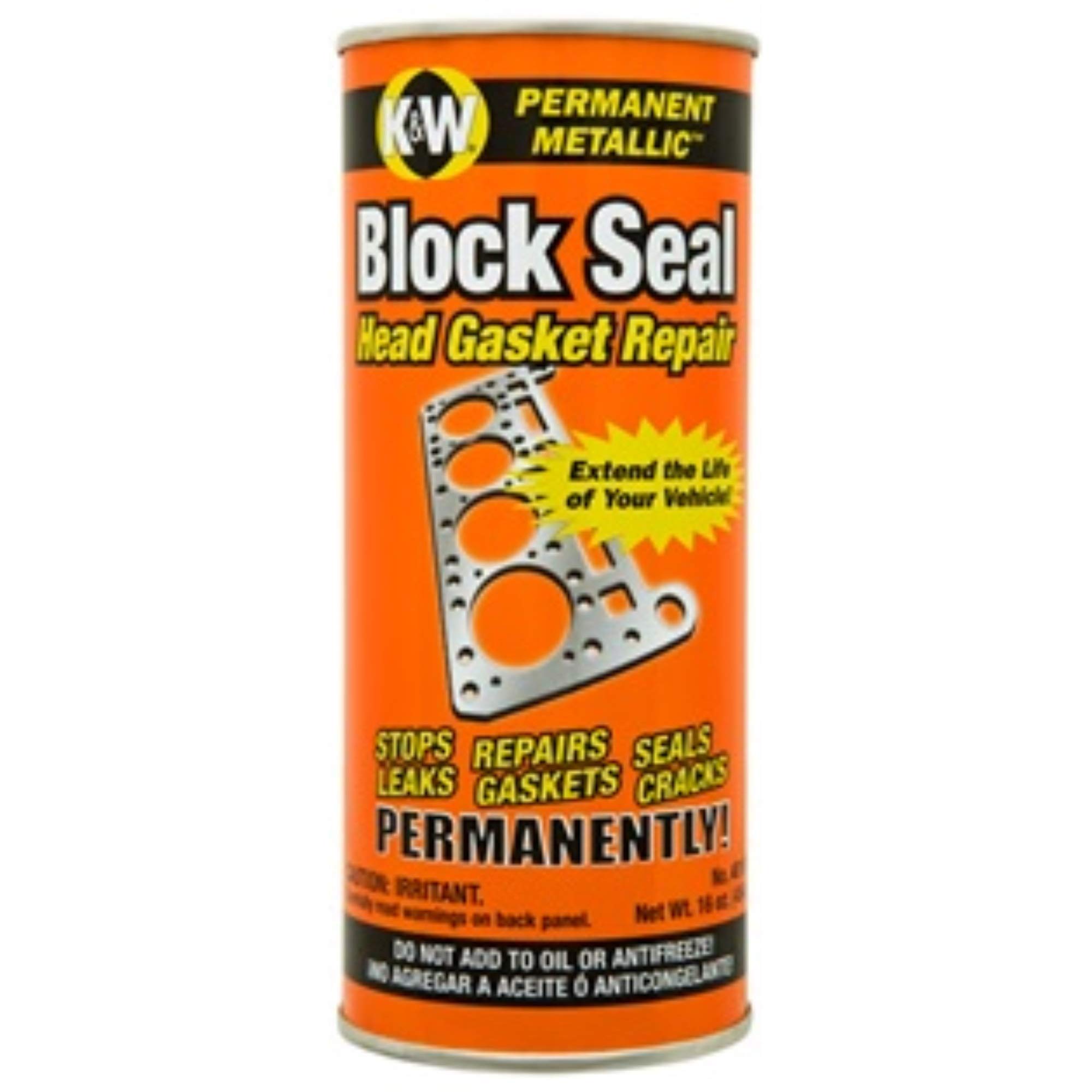
| K&W 401016 Block Seal Permanent Metallic™Pro Grade | Head gasket & block cracks | Metallic | 16 oz | 1.15 lb | Amazon |
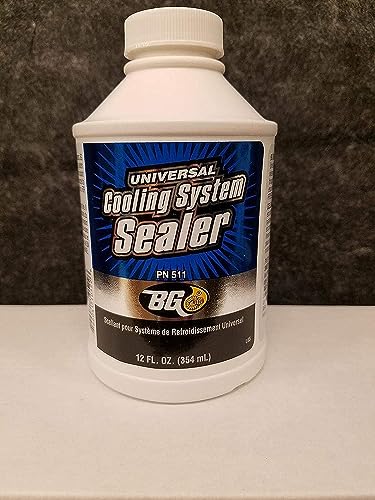
| BG Universal Cooling System SealerBest Value | Slow, hard-to-find leaks | Silicone liquid | 12 fl oz | 12.8 oz | Amazon |
| Bar’s Leaks Radiator Stop Leak 2X Concentrate | Quick temporary plugs | Concentrate | 6 oz | 8 oz | Amazon |
| XADO ATOMEX Stop Leak Radiator | Gas & diesel small cracks | Additive repair | 250 ml | 11.9 oz | Amazon |
| K-SEAL Coolant Leak Repair ST9501 | Radiator & water pump casing | Multi-purpose | 472 ml | 1.21 lb | Amazon |
| Irontite Ceramic Motor Seal | Head gaskets & intake gaskets | Ceramic coating | 16 oz | 1.63 lb | Amazon |
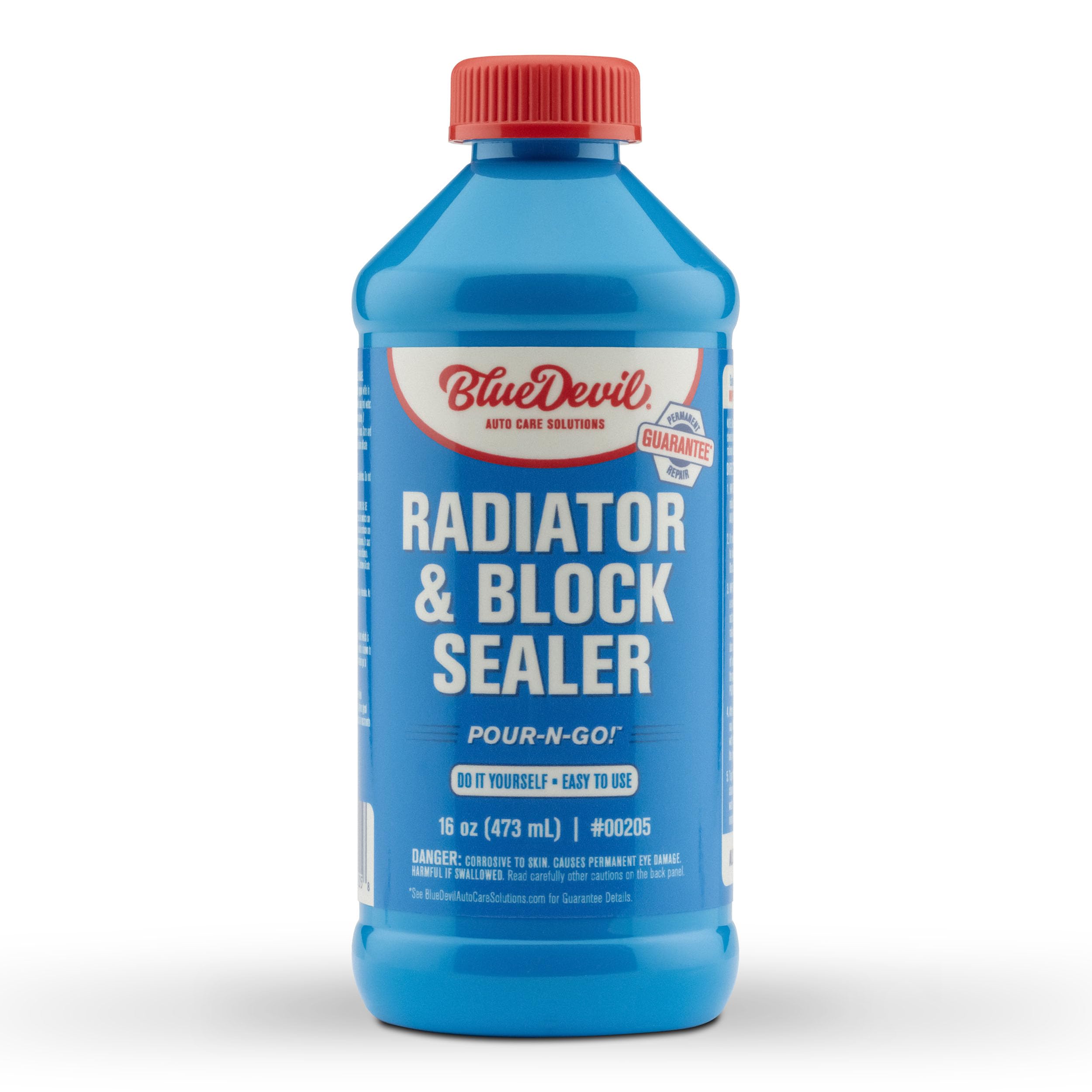
| BlueDevil Radiator & Block Sealer | Radiator & engine block leaks | Non-fibrous liquid | 16 oz | 16 oz | Amazon |
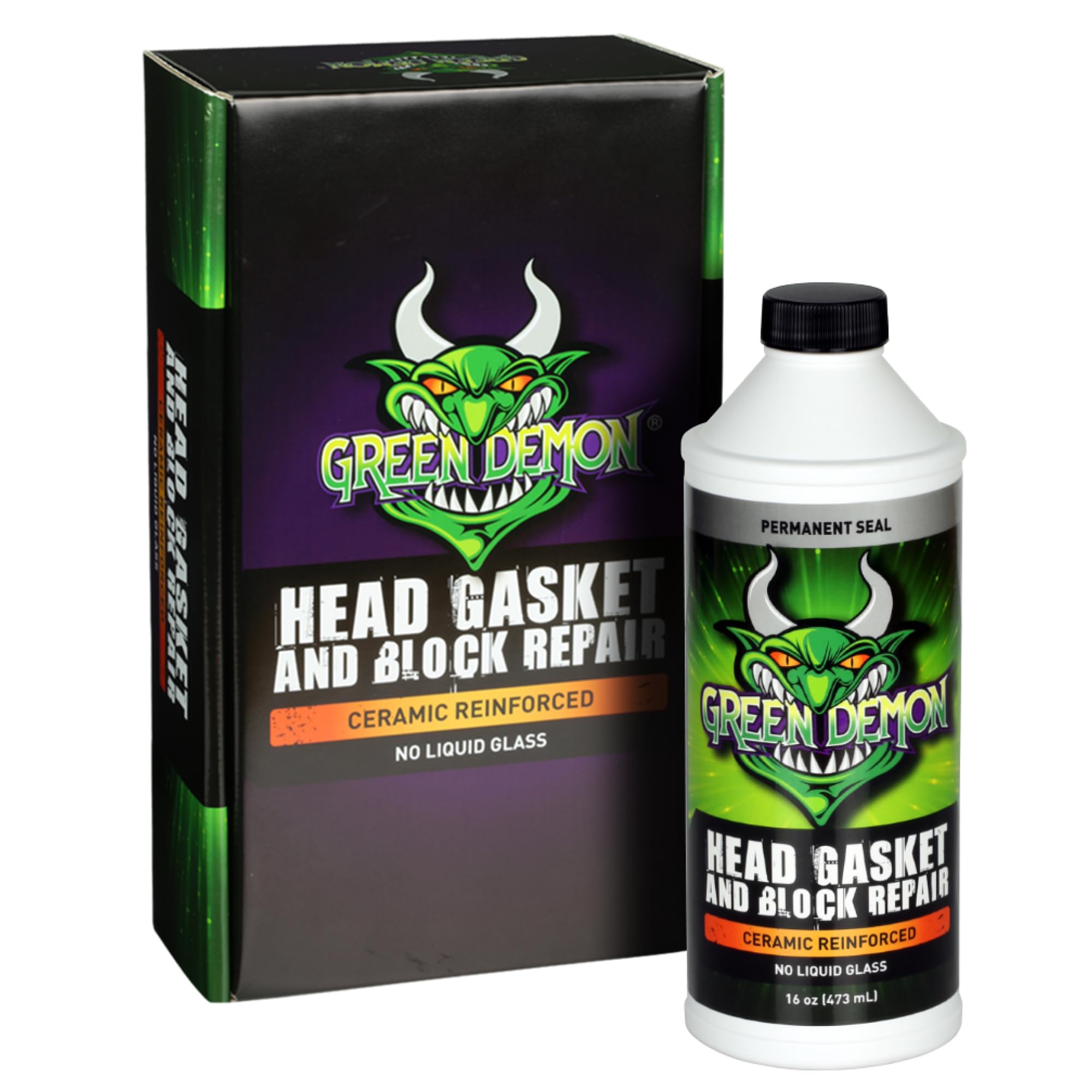
| Green Demon Head Gasket & Block Repair | Fast head gasket rescue | Ceramic reinforced | 16 oz | 1.57 lb | Amazon |
In‑Depth Reviews
1. LIQUI MOLY 2533 Stop Leak Radiator
Our pick — 4.5★ from 350+ verified ratings; the strongest balance of quality and price.
A precision fix for the tiny weep you can barely see but definitely smell.
Liqui Moly built this sealer for the hardest leaks to find: small cracks, porous joints, and hairline fissures in the cooling system that drip a few drops a day. It targets exactly that difficult-to-detect loss and seals it for good — the brand’s whole pitch is sealing a leak permanently rather than slowing it.
Weighing just 8.8 ounces, the bottle is easy to pour into a warm radiator without wrestling with a heavy jug. Buyers report it worked on a very small leak of just a few drops per day, closing it quickly with no further loss over two weeks. The catch is the inverse of its strength: this is a sealer for tiny breaches, not a blown gasket rescue. For a steady stream, you need a heavier formula.
Small-leak specialist: ideal when the drip is minor and the system is otherwise healthy — it excels at the subtle weep, not the gusher.
Reach for it if: your leak is a slow drip from a joint or hairline crack.
Look elsewhere if: your coolant drops fast enough to need topping up weekly.
2. K&W 401016 Block Seal Permanent Metallic™ Block & Radiator Seal
A metallic sealer that targets head gasket leaks many others write off as hopeless.
K&W’s claim is bold: a permanent molecular seal as strong as steel., built to close cracks and holes in cast iron and aluminum engine blocks, head gaskets, freeze plugs, heater cores, and radiators. The professional-grade formula meets ASTM D6107, a recognized standard for sealing cooling-system leaks., and it handles the extreme pressure and temperature of a running cooling loop without washing away.
To get this sealer to work, you need to follow a specific ritual, and owners say it pays off. Drain and flush the system, refill with plain tap water, run the engine hot, drive 500 miles, and only then assess — with leaks stopping at around 75 miles on a 2005 Tacoma. The honest counterpoint: some feedback is mixed, and a few units have arrived with the sealer already solidified inside the can. The bottle is compact at 5.87 x 2.31 x 2.13 inches, a much smaller footprint than Bar’s Leaks’ 1.8 x 3 x 6.5 inches, so it tucks into a door pocket easily.
When it shines
- Seals head gasket and block cracks most others cannot touch
- Rated to ASTM D6107 for professional-grade sealing
- Works across gasoline and diesel, all water-cooled engines
The fine print
- Demands a strict drain, flush, and 500-mile drive method
- Some feedback flags mixed durability results
- An occasional can arrives with contents already solid
Best for: the DIYer willing to follow the full flush-and-drive ceremony for a chance at a permanent block seal.
Think twice if: you want a pour-it-and-forget-it fix with zero prep.
3. BG Universal Cooling System Sealer
A silicone formula that earned a four-bottle loyalty from one Subaru owner.
BG’s sealer works with metal, plastic, and rubber cooling parts, which makes it a safe universal pour for most cars. Its silicone-liquid formula seals leaks, prevents overheating, and extends the life of the whole cooling system — and the 12 fluid ounces is a generous dose for a single treatment.
The proof is in the repetition: one owner reports buying this a fourth time after a Subaru head gasket leak stayed sealed for three years with no overheating or bubbles, even at 120 mph. Another report describes an undiagnosed slow leak that slowed drastically after treatment, needing no antifreeze for 8 weeks compared with top-ups every 2 weeks before. This thread of repeat purchases is the strongest loyalty signal in the category. The silicone-based chemistry also pairs well with the newer aluminum and plastic systems that metallic sealers sometimes struggle with.
Proven over time: the repeat-buyer pattern and a sealed-for-years Subaru gasket make this a quietly dependable value pick.
Choose this if: you want a sealer that is gentle on plastic and rubber parts across your whole cooling system.
Pass if: your leak is a dramatic gusher — this one earns its keep on slow, steady losses.
4. Bar’s Leaks Radiator Stop Leak 2X Concentrate, 6 oz.

A half-can pour that kept a 200,000-mile Ford Ranger running for a full year.
Bar’s Leaks packs double the stopping power of most other products into a compact 6-ounce bottle that weighs just 8 ounces. One bottle treats the whole system, and the formula works with all types and colors of antifreeze, sealing leaks in radiators, gaskets, heater cores, and freeze plugs.
The standout story: a 1999 Ford Ranger with 200,000 miles and a tiny head gasket leak — white vapor from the tailpipe — took a half-can of this with a 50/50 antifreeze mix and needed only a half cup of antifreeze top-up over the following 12 months. Another owner in a cop car stopped white smoke and a leak after a hose blowout, with power recovering enough to hit 110 mph. The honest limit: this is a stop-leak, not a rebuild. On larger leaks the seal can wear out, and one owner saw a seal hold for just a day before failing worse on a Honda Pilot’s crossover tube. It is the classic get-you-home — and sometimes get-you-a-year — option.
Why it sells
- 2X concentration means one 6 oz bottle goes a long way
- Works with every type and color of antifreeze
- Proven on a 200,000-mile truck for 12 months
Know the limit
- Seal can wear out on larger or pressurized leaks
- The lightest bottle here at 8 oz — it is a stopgap, not a permanent block fix
Grab it for: quick, cheap relief on a small radiator or gasket leak when you need the car running again today.
Skip it for: a serious block crack that demands the heaviest metallic or ceramic treatment.
5. XADO ATOMEX Stop Leak Radiator Coolant Additive

A repair-seal additive that safely rides through gasoline or diesel engines alike.
XADO’s 250 ml additive is engineered for versatility: it works on gasoline and diesel engines in cars and other equipment, and it is compatible with gaskets, rubber hoses, aluminum, plastic, and steel radiators. Beyond stopping leaks, the formula is designed to prevent rust and corrosion, giving the cooling system long-term protection rather than a one-shot plug.
Owner experiences split cleanly. On a 2017 F150 3.5 EcoBoost, the correct product stopped all tiny leaks and none returned; another report says it sealed a crack completely, noting the leak was big enough to notice. The counterweight is a case where it had no effect at all on a radiator leak, with another product plugging the same hole in ten minutes. The 11.9-ounce weight is middle-of-the-pack here, and the formula is part of a broader XADO repair line, so it behaves best on small cracks rather than catastrophic failures.
Broad compatibility: the safest pick if your cooling system mixes materials and you run a modern EcoBoost-style engine.
Best for: diesel or gasoline engines with small, serviceable cracks where material compatibility matters.
Not for: anyone expecting a miracle on a gushing radiator — results have been all-or-nothing in owner reports.
6. K-SEAL Coolant Leak Repair, ST9501 472ml

A pour-and-go formula with the deepest reach across leak-prone spots in the system.
K-Seal’s ST9501 is a 472 ml multi-purpose formula that takes aim at nearly every coolant leak location: radiator, head gasket, engine block, water pump housing, heater core, and freeze plug. It is made for the Canadian market and lives up to its pour-and-go name — no draining, no flushing, just pour it into the cooling system.
Owner language is enthusiastic: called “the best coolant stop leak” and praised for being easy to use, working fast, and saving a lot of money, with one report of a radiator leak gone within a couple of days. The single strong negative is a water-pump leak that two containers could not stop, ending with the owner replacing the pump. The 1.21-pound bottle is heavier than the BG sealer, and it carries the widest stated coverage of any formula in this lineup.
Broadest coverage: if you do not know exactly where the leak lives, this formula covers every common spot with one pour.
Pick this when: the leak location is a mystery and you want a single product that spreads its net wide.
Look away if: your water pump itself is failing — mechanical pumps sometimes need physical replacement, not sealing.
7. Irontite Ceramic Motor Seal

A ceramic formula with half a century of reputation behind a 10% cooling boost claim.
Irontite’s Ceramic Motor Seal forms a durable ceramic coating that permanently seals leaks in head gaskets, radiators, intake gaskets, and other engine components. The maker claims a 10% cooling-performance improvement, though this figure is not independently verified., and The formula has been trusted by engine enthusiasts for over five decades.. The 16 oz bottle weighs 1.63 pounds, the heaviest in this guide, reflecting the dense ceramic chemistry inside.
Owner reports range from “seals almost anything” — with the caveat that a serious crack in the block or head is the only thing that beats it — to a demand for a spotless system: you must have all rust gone and the cooling system as clean as possible before pouring. One gasket failure consumed a quart of coolant weekly even after flushing, a clear sign the gasket was too far gone. The 10% cooling-performance figure is a maker claim, not an independent finding., but the chemistry clearly coats the entire system rather than plugging a single hole.
Coating chemistry: a high-temp ceramic layer that protects the whole loop, not just one crack — worth it for aging systems.
Choose this if: your cooling system is older and you want rust protection alongside the seal.
Reconsider if: you will not flush the system first — cleanliness is non-negotiable for this one to work.
8. BlueDevil Radiator & Block Sealer
A no-solids formula that spares your cooling system the gunk other sealers leave behind.
BlueDevil is the cleaner-minded option: it contains no solids or fibrous materials, so it seals without the grit that can clog narrow heater-core passages. The 16 oz bottle works on plastic, aluminum, and metal radiators and is marketed as a permanent repair for radiator and block leaks, backed by a manufacturer guarantee..
The owner stories are emphatic: a 200,000-mile engine losing a quart every 3,000 to 4,000 miles stopped the antifreeze loss entirely, and a cracked block behind a failed water pump — seen spraying water — slowed to a trickle and then sealed after treatment. Others report months without a leak after a radiator repair was postponed. The manufacturer claims a permanent fix, though results vary.; reality is that it saved real money for owners who poured it before a shop visit. The few negative reports describe the sealer gunking up some systems, so the no-solids promise is a strong selling point but not a universal one.
The appeal
- No solids or fibers means less risk of clogging small passages
- Handles plastic, aluminum, and metal radiators
- Track record of saving owners from expensive repairs
The honest note
- Some systems have gunked up after use despite the formula
- Effectiveness varies — it is not a guarantee for every leak
Reach for it if: you worry about a sealer clogging your heater core and want the gentlest formula on the shelf.
Weigh it if: you need maximum certainty on a severe block crack — results here are real but not universal.
9. Green Demon Head Gasket and Block Repair
A ceramic-reinforced fix that promises action in minutes with zero flushing.
Green Demon is the no-prep option: no engine flushing or draining required, just shake and pour the 16 oz bottle into the radiator cap. Its super-strength ceramic formula flows through the cooling system, and the particles combine to create a mesh that cures and forms a permanent sealed bond — with the maker claiming it takes effect in just a few minutes..
The success stories are impressive: a 2002 Buick LeSabre with intermittent hesitation ran smoothly again after half a bottle, and a cracked head on a 2012 Pontiac GT had its misfire, coolant loss, and white smoke all stop after pouring. The warning side is just as real: an Oldsmobile Intrigue that overheated after 15 minutes got no help at all, and one owner who followed every instruction read in the reviews nearly blew the motor. With this one, a clean, small breach is the balance — anything severe needs a mechanic regardless of what you pour.
Minutes, not hours: the fastest-acting formula here for a small crack, but the outcomes split more sharply than any other pick.
Best for: a quick DIY pour on a minor gasket or crack when you have no time for a flush.
skip it if: your engine is already overheating or showing severe symptoms — this is not built for that fight.
Understanding the Specs
Metallic vs. Ceramic formula
Metallic sealers pack fine metal particles that wedge into the crack and harden, making them strong choices for block and head gasket leaks. Ceramic formulas coat the whole cooling system with a layer that resists high temperatures, so they protect against rust and corrosion while they seal. Your choice should follow your leak: a pinpoint gasket breach favors metallic, while an aging system with multiple weak spots favors ceramic.
Bottle size and concentration
A 6 oz concentrate can match a 16 oz standard formula because the active ingredients are packed tighter. The trade-off is in how you use it: concentrates like Bar’s Leaks treat a whole system from a small bottle, while larger 16 oz bottles spread the dose across a broader range of leak types. Match the sizing to how often you expect to use it — a one-time pour needs less than a product you plan to keep in the garage.
FAQ
Will a coolant leak sealer fix a blown head gasket?
How long does a coolant leak sealer actually last?
Do I need to flush my radiator before adding a sealer?
Can I mix a coolant leak sealer with any antifreeze?
What is the difference between a metallic and ceramic sealer?
Will a coolant leak sealer clog my heater core?
How much coolant leak sealer should I pour in?
Can a coolant leak sealer work on a car that overheats?
Which coolant leak sealer is best for a radiator crack?
Is a coolant leak sealer safe for aluminum and plastic radiators?
Final Thoughts: The Verdict
For most drivers, the LIQUI MOLY 2533 Stop Leak Radiator is the top coolant leak sealer because it nails the most common real-world case — the small, hard-to-find weep — with a clean, reliable seal. If you are chasing a head gasket leak that needs real authority, the K&W 401016 metallic formula is the one to reach for. And for a fast, no-prep rescue on a minor crack, the Green Demon offers the quickest action in the lineup.
How We Picked
We do not accept paid placement. Every pick is matched to a real buyer and a real use-case; we do not hands-on test units.
Sources & Methodology
Specifications: manufacturer listings and product documentation. Review insights: verified customer reviews, as of August 2026. Pricing: not shown on this page (it changes often); check the current price via the retailer link.
As an Amazon Associate, Trending Car earns from qualifying purchases. This does not affect which products we feature.