
Our readers keep the lights on and my garage snacks stocked. As an Amazon Associate, I earn from qualifying purchases.
Specs are compiled from manufacturer listings and verified buyer reviews and can change over time — please confirm the key details on the product page before buying.
Your engine loses power and idles rough when carbon builds up inside it, and the right additive can dissolve that gunk without a trip to the mechanic. This guide compares the top complete fuel system cleaners by their real specs and verified owner experiences, so you know which one restores performance and saves you money at the pump.
I’m Min Islam — the founder and writer behind Trending Car. This guide is built by comparing the manufacturers’ published specifications and the patterns across verified customer reviews, so you get each pick’s real strengths and trade-offs instead of marketing spin.
When carbon builds up in your injectors and valves, your fuel economy drops and your engine hesitates; adding a detergent-based cleaner is the fix. Find out exactly which complete fuel system cleaner owners trust to revive high-mileage engines and make them run like new again.
Our Picks at a Glance

How To Choose The Best Complete Fuel System Cleaner
Match the cleaner’s chemistry to your engine type, and you get the results you want. For example, a cleaner that removes carbon from intake valves won’t help a carbureted classic, so check your engine’s fuel system before you buy.
Know Your Engine: GDI, Port Injection, or Carbureted
Modern gasoline direct injection (GDI) engines spray fuel directly into the combustion chamber, which means the intake valves never get washed by fuel and bake carbon onto them. Look for a cleaner with a high-strength PEA formula for these engines, while older port-injection engines and carbureted motors respond well to stronger solvent-based treatments.
Decode the Active Ingredient
Polyether-amine (PEA) is the detergent chemistry proven to dissolve hardened carbon throughout the fuel system., and it is the same additive used in Top Tier gasoline. Cheaper PIB or PIBA-based cleaners only address the injectors, so if you want a deep clean of the combustion chamber and intake valves, PEA is the ingredient to seek out.
Match the Treatment to Your Driving Habits
Consider how often you are willing to pour a bottle in. Some treatments are designed for a one-tank deep clean every 3,000 miles, while others can be added at nearly every fill-up for continuous maintenance. Heavy city driving and short trips build carbon faster, so you will want a product that fits a more frequent schedule.
Quick Comparison
| Model | Best For | Active Chemistry | Bottle Size | Engine Type | Amazon |
|---|---|---|---|---|---|
| Lucas Oil Fuel Treatment★ Best Overall | Gas & diesel, continuous use | Lubricating additive | 1 Gallon | Gas + Diesel | Amazon |
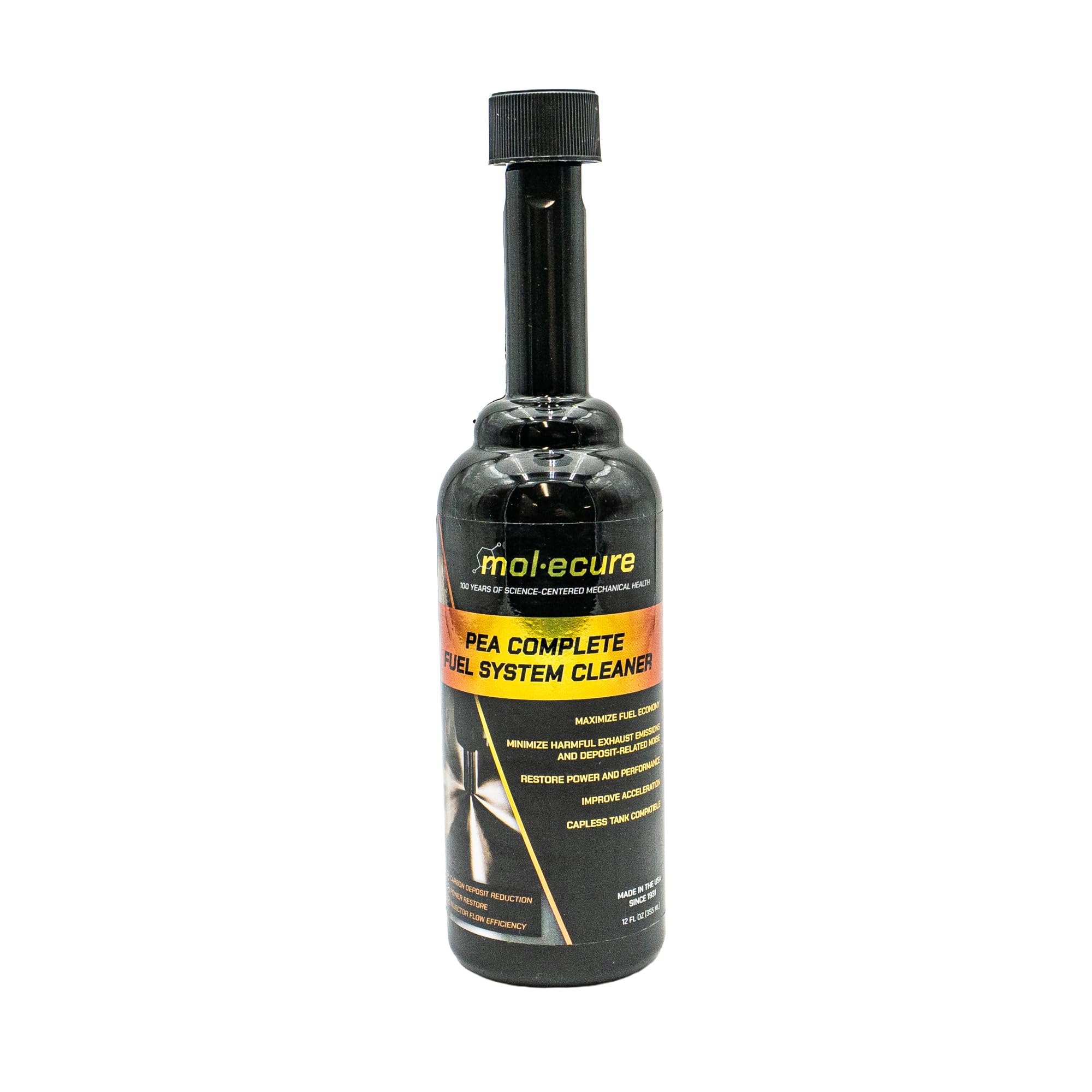
| Pea Complete Fuel System CleanerGDI Specialist | GDI & Turbo engines | High-strength PEA | 12 oz | Gasoline (GDI, Turbo) | Amazon |
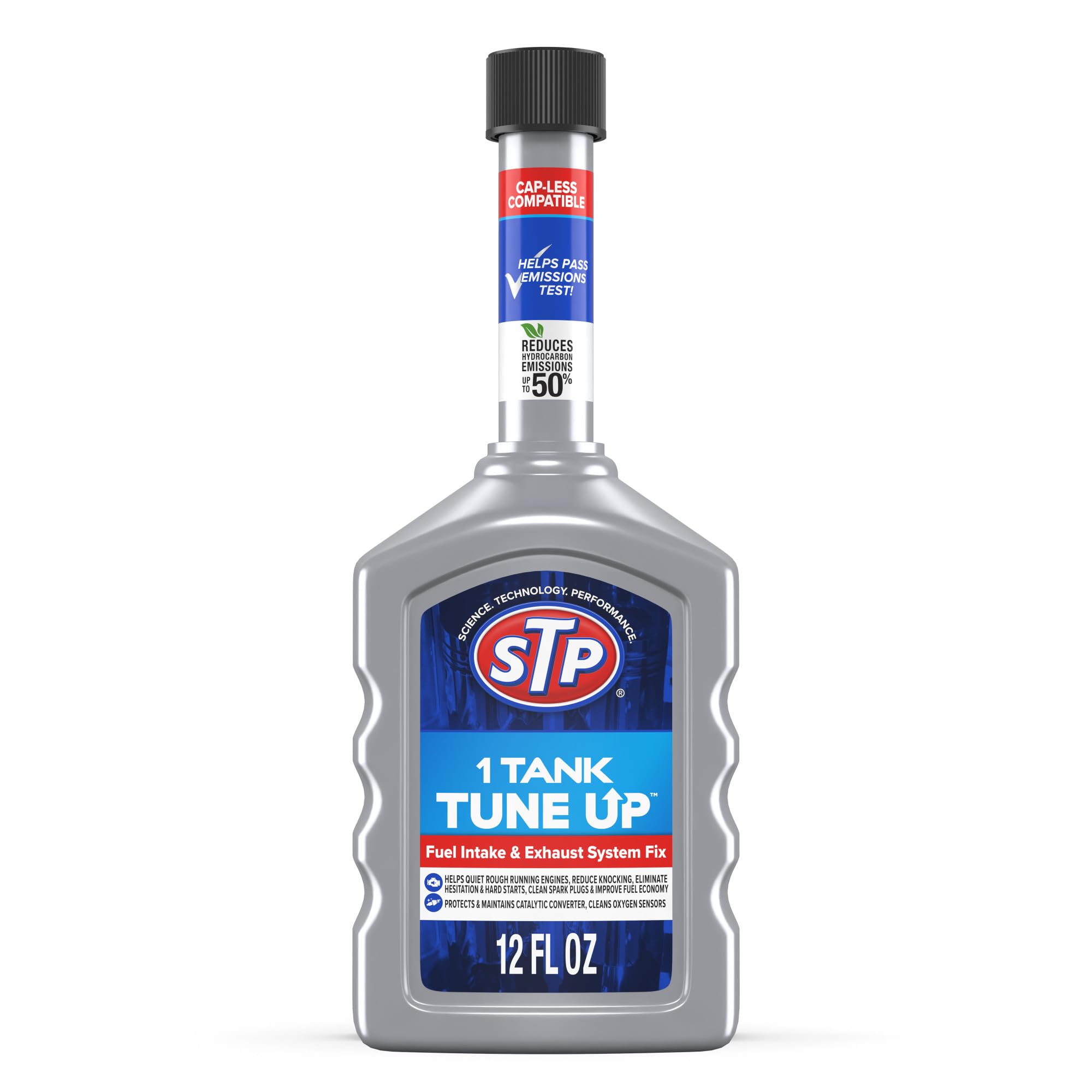
| STP 1 Tank Tune UpEmissions Saver | Emissions & catalytic care | Detergent blend | 12 Fl Oz | Gasoline | Amazon |
| Chevron Techron Concentrate Plus | Whole system restore | PEA-based | 12 oz | All Gasoline Engines | Amazon |
| Berryman High Mileage Rejuvenator | High-mileage & small engines | HEST solvents | 15 fl oz | Gas + 2-Stroke/4-Stroke | Amazon |
| Quicksilver Quickleen | Marine & outboard motors | Detergent blend | 12 oz | Gasoline (Marine Focus) | Amazon |
| Liqui Moly Complete Gasoline System Cleaner | Preventive maintenance | Detergent blend | 500 ml | Gasoline | Amazon |
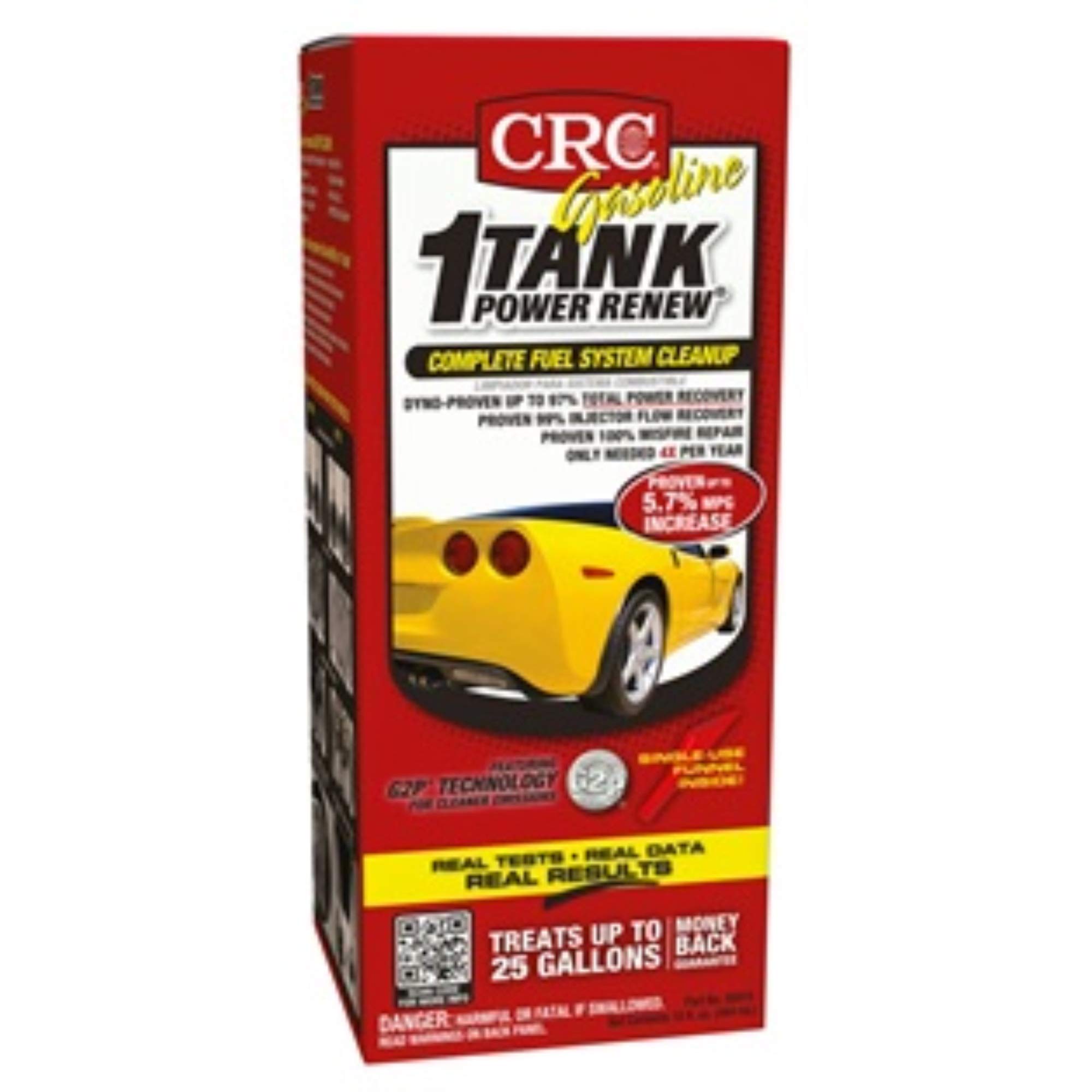
| CRC 1-Tank Power Renew | Power recovery & MPG boost | High-strength cleaner | 15 fl oz | Gasoline (GDI & Port) | Amazon |
| BG 44K Fuel System Cleaner | Professional-grade deep clean | Proprietary PEA blend | 11 oz (2-Pack) | Gasoline | Amazon |
In‑Depth Reviews
1. Lucas Oil 10013 Fuel Treatment – 1 Gallon
Our pick — over 4.5★ from 24,500+ verified ratings; the strongest balance of quality and price.
The one-gallon jug that turns fuel system maintenance into a year-long habit, not a chore.
This is the pick for anyone who owns both a gas car and a diesel truck, because it treats both fuel types from the same bottle. It cleans and lubricates the fuel system — including injectors, carburetor, and combustion chamber — while neutralizing sulfur and preventing rust and corrosion. The 1-gallon size means you are not buying a single dose; you are stocking up for multiple fill-ups, and the crowd favorite status (4.8 stars across 24,000+ owners) speaks to its consistent results.
Buyers report that a 2021 Jeep with over 110k miles runs smooth and gets extra mileage, which is exactly the kind of high-mileage revival most drivers are chasing. The formula complies with federal low sulfur requirements for diesel motor vehicles, and it safely replaces the need for lead in older engines. Even a 2004 F250 used it for four years and saw its MPG improve from a 10-12 mpg baseline, while simultaneously fixing a slight miss in a 2017 Subaru.
You get a 30-day manufacturer warranty, but the real value is the longevity. Owners transfer the gallon to a ketchup bottle for easy dispensing, showing it’s built for repeated use, not a one-time fix. It weighs 14.4 ounces versus the 11.3 ounces of the Pea cleaner, so you get more product per jug.
Why it wins your garage
- One bottle cleans both gasoline and diesel engines, simplifying your shelf
- Boosts fuel economy by burning excess exhaust emissions
- Prevents rust and corrosion to extend the life of pumps and injectors
The jug’s trade-off
- Large 1-gallon bottle is bulky to store and pour without a funnel or dispenser
- Not a targeted carbon-buster for GDI intake valves like higher-strength PEA cleaners
Reach for this if: you want one versatile additive that keeps both a gas commuter and a diesel workhorse running smoothly for months on a single buy.
Look elsewhere if: you drive a direct-injection engine with serious carbon buildup and need a concentrated one-tank shock treatment instead.
2. Pea Complete Fuel System Cleaner 12 oz
PEA chemistry aimed squarely at the carbon nightmares inside modern GDI and turbo engines.
If you drive a direct-injection or turbocharged car, this is the cleaner built for your specific problem. The high-strength PEA formula (polyether-amine, the only additive chemistry proven to dissolve hardened carbon) targets intake valves, injectors, intake ports, and combustion chambers — areas where cheaper PIB-based cleaners never reach. It is safe for GDI, turbo, hybrid, and port fuel injection systems, plus oxygen sensors and catalytic converters.
The results show up fast. A 2014 Ford Fusion 1.5L EcoBoost with 100k miles had its rough idle fixed after just one bottle added to a 1/8 tank and a 4.5-mile drive, running smooth and steady with better MPG. A 2006 Scion with 170,000 miles runs smoother too, and the review pages sum it up: owners call it “THE REAL DEAL” and say it works better than anything else they have tried. What wins people over is the functionality — the product simply does what it promises on the first pour.
The 12 oz bottle treats up to 20 gallons, so it is ideally matched to a near-empty tank. At 11.3 ounces, it is lighter than the STP cleaner’s 14.4 ounces, but it is packing a more concentrated punch for modern engines.
Deep-clean verdict: The standout choice for EcoBoost, turbo, and direct-injection engines that need carbon dissolved from the valves — not just the injectors. A 2020 Mercedes C300 showed noticeable improvement after one bottle, and the price-to-strength ratio makes it a smarter buy than dealership treatments.
Choose this for: modern GDI and turbocharged daily drivers where intake valve carbon is the known enemy.
Not for: diesel engines — this formula is strictly for gasoline powertrains.
3. STP 1 Tank Tune Up Fuel Additive
The one-tank treatment that also watches your catalytic converter and oxygen sensors.
This 12 fl oz additive is for the driver whose car is facing an emissions test and needs a fighting chance. It cuts hydrocarbon emissions by up to 50% to help you pass emissions tests., protects and maintains your catalytic converter, and cleans dirty oxygen sensors to help prevent failure. That is a broader scope than most cleaners, which focus only on the fuel path and ignore the exhaust side of the equation.
The deep clean covers fuel injectors, intake valves, cylinder head, and piston tops, which helps quiet rough running engines and eliminates hesitation and hard starts. A buyer with a 2014 Honda Pilot at 310k miles reports it runs like new, and even the check engine light turned off temporarily on an older car. The quality is the most-discussed positive, though the functionality gets mixed feedback — it works brilliantly for some, while others found it did not produce dramatic results on a single tank.
At 14.4 ounces, it is the heaviest of the three 12-ounce-class bottles here — about 27% heavier than the Pea cleaner’s 11.3 ounces — which suggests a denser formula. It also reduces knocking and cleans spark plugs, rounding out a maintenance dose that fits easily into a regular oil-change routine.
Emissions-focused take: The smart pick if your state inspection is looming, because it targets the catalytic converter and oxygen sensors that other cleaners ignore. The trade-off is that “not magic” is exactly how owners describe it — meaningful help, but not a fix for a seriously neglected engine.
Best suited to: aging daily drivers that need a smoother idle and an emissions-test edge without spending on a shop visit.
Think twice if: you expect a worn-out, carbon-fouled engine to be completely restored by a single bottle.
4. Chevron Techron Concentrate Plus Fuel System Cleaner

The PEA-per-ounce value king that high-mileage owners have trusted for years.
This is the cleaner that needs almost no introduction among seasoned car owners, and the 4.6-star rating across 17,000+ ratings confirms its staying power. The PEA-based formula cleans, restores, and protects the entire fuel system — injectors, carburetors, intake valves, and combustion chambers — while also restoring the operation of the fuel gauge sensor. It is the versatile choice for everything from cars and trucks to motorcycles, boats, ATVs, and lawn equipment.
Owners mention a measurable fuel efficiency jump, with some seeing mileage climb from 17.5 to 21 mpg, and others noting it decarbonizes engines well. A C5 Corvette owner uses it every two months and calls the difference huge, while another fan calls it “the only cleaner I’ve been using for YEARS” for its smoother acceleration and stable idle. The concentrated PEA is the thing everyone raves about — it delivers more active cleaning per ounce than most rivals.
Use it every 3,000 miles or at your next oil change, and It improves fuel stability for up to one year.. The 12 oz size is the standard single-dose format that has been a shelf staple for decades.
The trusted formula
- One bottle handles cars, bikes, boats, ATVs, and lawn equipment
- Restores fuel gauge sensor operation alongside injector cleaning
- Proven to improve fuel economy, with owners reporting jumps from 17.5 to 21 mpg.
What to watch
- Bottles occasionally arrive with leaks from shipping, so inspect before pouring
- Won’t fix a catalytic converter that has been failing for a long time
Grab this if: you want a dependable, widely-proven PEA cleaner for a mixed fleet of vehicles and engines.
skip it if: you need a targeted fix for a known GDI intake-valve carbon problem — a higher-strength formula goes further.
5. Berryman 7516 High Mileage Fuel System Rejuvenator

Strong-solvent firepower that revives tired engines and stubborn small motors alike.
This is the pick for the high-mileage workhorse that other cleaners have given up on. The key differentiator is HEST — High Energy Solvent Technology, a Berryman exclusive that uses strong solvents instead of weak carriers like mineral spirits or kerosene. That aggressive chemistry dissolves fuel residue and carbon deposits, restores lost power, reduces rough idle, and stabilizes gasoline while dispersing moisture.
Customers note it works where others failed, with functionality the thing everyone raves about. A 2007 Rav4 reduced its oil burning from 1 quart per 300 miles to 1 quart per 1000 miles after the first use, and a motorcycle that sat for 3 years had its hesitation and power loss fixed. The 15 fl oz pour can is great for all 2-stroke and 4-stroke marine and small gas engines, making it a versatile addition to any garage with a chainsaw or outboard.
It also improves fuel economy, with buyers noting gains of 1-1.5 mpg on their daily drivers. The universal fit type means it is not picky about what you pour it into, and owners consistently call it superior to Sea Foam, Lucas, and Chevron for cleaning stubborn deposits.
Rejuvenation read: The strongest solvent-based option here for engines that burn oil or have years of carbon buildup. The catch is that one aggressive cleanout can occasionally trigger a misfire code as dislodged debris passes through — a temporary and harmless side effect of a deep clean.
Perfect for: high-mileage gas engines, small 2-stroke tools, and marine motors that need a serious deposit-clearing session.
Not ideal for: brand-new vehicles that only need light, regular maintenance — the strong solvents are overkill.
6. Quicksilver Quickleen Engine and Fuel System Cleaner

The boat-and-car twofer that clears carbon while guarding against ethanol-blend fuel issues.
This 12 oz cleaner earns its place for anyone who splits time between a car and a boat, because it is formulated for use with all grades of gasoline and ethanol-blend fuel. It quickly and thoroughly removes carbon deposits from carburetors, injectors, intake valves, spark plugs, piston crowns, and cylinder heads — and it prevents engine knocking and piston seize-up. The 4.8-star rating across nearly a thousand owners makes it one of the highest-rated picks here.
The flexible dosing is a big draw: you can add it at every fuel tank fill-up, using just 1 ounce to treat 5 gallons of gasoline. One buyer even reports it saved hundreds of dollars in avoided repair bills — the honest mechanic suggested trying this before tearing the carburetor apart.
It is a Mercury Marine product (part number 8M0047921), so it is purpose-built for outboards, but it works across a wide range of gasoline engines. The main caveat is occasional leakage in shipping, which is a common issue with liquid additives in transit.
Versatile performer: The go-to choice for boat owners who want the same bottle to serve their car, and the dilute-as-you-go design makes it economical for continuous use. The effectiveness is the most-praised aspect, with buyers noting smoother rides and no hesitation after regular use.
Ideal for: outboard motors and ethanol-blend fuel users who want a preventive dose at every fill-up.
Check carefully: the bottle on arrival, since a small number of shipments arrive with leaks.
7. Liqui Moly Truck Series Complete Gasoline System Cleaner

German-engineered preventive care that keeps a clean system clean, season after season.
This 500 ml cleaner from Liqui Moly is the pick for the driver who treats maintenance as a scheduled ritual, not an emergency response. It cleans the injection system as well as intake valves and the combustion chamber, improves performance, and crucially, prevents corrosion in the fuel system. It also normalizes fuel compensation and exhaust emissions values, which is a fancy way of saying it keeps your engine’s computer readings honest.
Owners use it every 2-3 months in trucks, and one buyer follows a specific annual sequence: system cleanser, then injector cleaner, then valve cleaner, added before a fill-up. The detergent smell is a sign it is working, and the screw-on funnel included in the bottle makes pouring mess-free. The value for money is the most-praised aspect, with buyers calling it cheaper than the FCP equivalent and noting it works in direct injection engines despite the spec sheet mentioning port/carbureted systems.
At 1.1 pounds, it is a substantial bottle, and the recommendation is to add it at an oil change or every 7,500 miles. For best results, owners suggest pairing it with quality Chevron or Shell fuel to keep the system clean longer.
Maintenance-minded verdict: The smart routine addition for owners who want to prevent deposits rather than cure them, with corrosion protection as a bonus. The green-tinted formula and included funnel make it one of the easiest bottles to use cleanly.
Best for: disciplined owners who stick to a maintenance schedule and want a cleaner that protects against rust as it dissolves carbon.
Less ideal for: a badly neglected engine needing a one-bottle shock treatment — this shines brightest on regular, consistent use.
8. CRC 1-Tank Power Renew Gasoline Fuel System Cleaner
A one-tank treatment that promises — and delivers — measurable power and MPG recovery.
This 15 fl oz cleaner is the evidence-based choice for drivers who want numbers behind their additive. The manufacturer claims it restores up to 97% of engine power, improves injector flow by up to 99%, and raises fuel efficiency by up to 5.7% MPG.. That is a bold spec sheet, and owner experiences back it up: a 2014 BMW 435i regained 32+ MPG highway and smooth idle, with the owner claiming regained power and calling it “better than Seafoam/Techron.”
This one-tank treatment cleans your entire gasoline fuel system, including injectors, intake, and combustion chambers, and it works with both direct and port fuel injection systems. One bottle treats up to 25 gallons, and you only need it about 4 times per year for maintenance, so it’s economical long-term. Reviewers point out a recurring check engine light went off permanently after adding this with fresh gas, and one called it the product that “can literally get a car that won’t pass emissions to pass after the first tank.”
The effectiveness and quality are the two most-praised aspects, making it a solid mid-range investment. The 2-year warranty on material and workmanship is a confidence booster that few rivals offer.
The measurable edge
- Claims up to 97% power recovery and 99% injector flow improvement
- Treats 25 gallons per bottle for quarterly maintenance only
- Backed by a 2-year manufacturer warranty
Delivery quirks
- May arrive without its original box and the advertised funnels
- Results depend on engine condition — a worn-out motor won’t fully transform
Choose for: drivers who want a measurable, spec-backed power and MPG boost with infrequent quarterly dosing.
Be aware: shipping occasionally skips the funnels, so keep a small funnel handy for pouring.
9. BG 44K Fuel System Cleaner Power Enhancer – 2 Pack

The professional-shop favorite that has cleaned fuel systems for over four decades.
Professional automotive shops have trusted this product for over 40 years, and you get two 11 oz cans for a deep clean with a spare. Each can treats up to 20 gallons of gasoline, rapidly cleaning fuel injectors, valves, and combustion chambers. It holds a 4.8-star rating across nearly a thousand owners, making it one of the highest-rated in this guide, but it’s strictly for gasoline engines.
The real-world results are dramatic. Shoppers say a 1 mph increase in fuel economy and one buyer went from an 11 mpg town average to 14 mpg town driving. A 2017 F150 3.5 EcoBoost owner credits it with fixing what felt like a misfire and hard idling, and another says it helped keep a P-420 code cleared — a common catalytic converter efficiency code. The review pages sum it up: it cleans “the sludge out of all parts” and makes engines run smoothly.
The 2-pack format is a smart buy because you get a backup dose ready for the next 6-month interval. Buyers recommend using it every 6 months to keep a fuel system clean and efficient, and note you should wear gloves and avoid inhaling the product during pouring.
Professional punch: The strongest argument for brand-trust buyers who want the shop-grade standard with the convenience of a home pour. The 2-pack gives you a year’s supply, and the MPG improvements buyers report justify the premium positioning.
Reach for this if: you want a proven, professional-grade cleaner with a spare can ready for your next maintenance interval.
Consider a lighter option if: your engine is new and already clean — this much cleaning power is best saved for engines with visible deposits.
Understanding the Specs
PEA vs PIB Chemistry
Polyether-amine (PEA) is the detergent chemistry proven to dissolve hardened carbon deposits in direct-injection intake valves, fuel injectors, intake ports, and combustion chambers. Cheaper PIB or PIBA-based cleaners only address the injectors and cannot reach the carbon baked onto valves. If you drive a GDI engine, a cleaner that names PEA as its active ingredient is the one that actually works.
Bottle Size and Treatment Range
Bottle sizes range from 11 oz to a full 1 gallon, and each treats a different volume of fuel — some handle 20 gallons, others stretch to 25. A larger bottle is not automatically better; a concentrated 11 oz can may treat the same fuel volume as a bigger, weaker bottle. Match the treatment range to your tank size so you pour the right dose and avoid wasting product.
FAQ
How often should I use a complete fuel system cleaner?
Will a fuel system cleaner fix my check engine light?
Is PEA really better than other cleaning agents?
Can I use a gasoline fuel system cleaner in a diesel engine?
Will a cleaner improve my gas mileage?
What does a direct injection engine need that older engines don’t?
Can I pour too much fuel system cleaner into my tank?
How long does a full fuel system cleaning take to show results?
Is it safe to use a fuel system cleaner on a brand new car?
Which vehicles benefit most from a high-mileage fuel system cleaner?
Final Thoughts: The Verdict
For most drivers, the complete fuel system cleaner winner is the Lucas Oil Fuel Treatment because it cleans both gas and diesel engines from one economical gallon jug, and it has the highest owner satisfaction in its class. If you drive a modern GDI or turbo engine with carbon buildup, choose the Pea Complete Fuel System Cleaner for its high-strength PEA formula. For a professional-grade deep clean with a spare can ready, the BG 44K 2-Pack is the one to reach for — its proven record of clearing check engine codes makes it a favorite among owners who want results, not just snake oil.
How We Picked
We do not accept paid placement. Every pick is matched to a real buyer and a real use-case; we do not hands-on test units.
Sources & Methodology
Specifications: manufacturer listings and product documentation. Review insights: verified customer reviews, as of August 2026. Pricing: not shown on this page (it changes often); check the current price via the retailer link.
As an Amazon Associate, Trending Car earns from qualifying purchases. This does not affect which products we feature.