
Our readers keep the lights on and my garage snacks stocked. As an Amazon Associate, I earn from qualifying purchases.
Specs are compiled from manufacturer listings and verified buyer reviews and can change over time — please confirm the key details on the product page before buying.
You feel that trapped heat the second you get in your car. A good window tint cuts that, plus gives you privacy and protects your dash from sun damage. The real difference between cheap and great tint depends on film thickness, square footage, and VLT accuracy. This guide picks rolls that earn their keep, from a 100-foot giant covering six cars to signal-friendly ceramic films.
I’m Min Islam — the founder and writer behind Trending Car. This guide is built by comparing the manufacturers’ published specifications and the patterns across verified customer reviews, so you get each pick’s real strengths and trade-offs instead of marketing spin.
Your choice hinges on film type, VLT percentage, and square footage. This breakdown of the best car window tint cuts through the glare to show you what is actually worth your time.
Our Picks at a Glance
How To Choose The Best Car Window Tint
Picking window tint is not just about making your car look mean. The ideal roll balances privacy, heat rejection, and night visibility. Here are the two decisions that matter most.
VLT — The Number That Defines Everything
VLT stands for Visible Light Transmission, which is just a fancy way of saying how much light passes through the film. A 5% VLT (often called “limo tint”) is almost black — great for daytime privacy but tough to see out of at night. A 20% VLT still gives you privacy while keeping side mirrors usable after dark. Your state may set a legal minimum, so check local laws before you cut.
Film Material — Dyed PET vs. Carbon vs. Ceramic
Dyed PET film (the most common budget option) darkens windows and blocks UV, but it does not reject heat as well as the others. Carbon film uses carbon particles to absorb infrared heat, so it keeps the cabin cooler without the metallic look. Ceramic film is the top tier — it rejects the most heat, blocks 99% of UV rays, and does not interfere with GPS or phone signals. Ceramic costs more upfront but pays for itself in AC savings for daily drivers in sunny climates.
Quick Comparison
| Model | Best For | Film Material | VLT | Total Sq Ft | Amazon |
|---|---|---|---|---|---|
| United Universal 5% 20″x100′★ Best Overall | Maximum coverage & value | 1Ply Dyed PET | 5% | 167 | Amazon |
| IAQWE Ceramic 20% 20″x20′Top Performer | Ceramic heat rejection on a budget | Ceramic | 20% | — | Amazon |
| TOYOCO Ceramic 5%/20% 20″x20′ | Balanced ceramic & signal-friendly | Ceramic | 5% / 20% | — | Amazon |
| ARANA Ceramic 5% 20″x20′ | 18-month support for DIY | Ceramic | 5% | — | Amazon |
| United Carbon 20% 24″x100′ | Pro-grade 2Ply carbon roll | 2Ply Carbon (PET) | 20% | 200 | Amazon |
| AUTOTEK 2Ply 25% 24″x25′ | Legal tint for front windows | 2Ply PET | 25% | — | Amazon |
| smilfuy 20% VLT 20″x19.68′ | Entry-level price point | 1Ply PET | 20% | 34 | Amazon |
In‑Depth Reviews
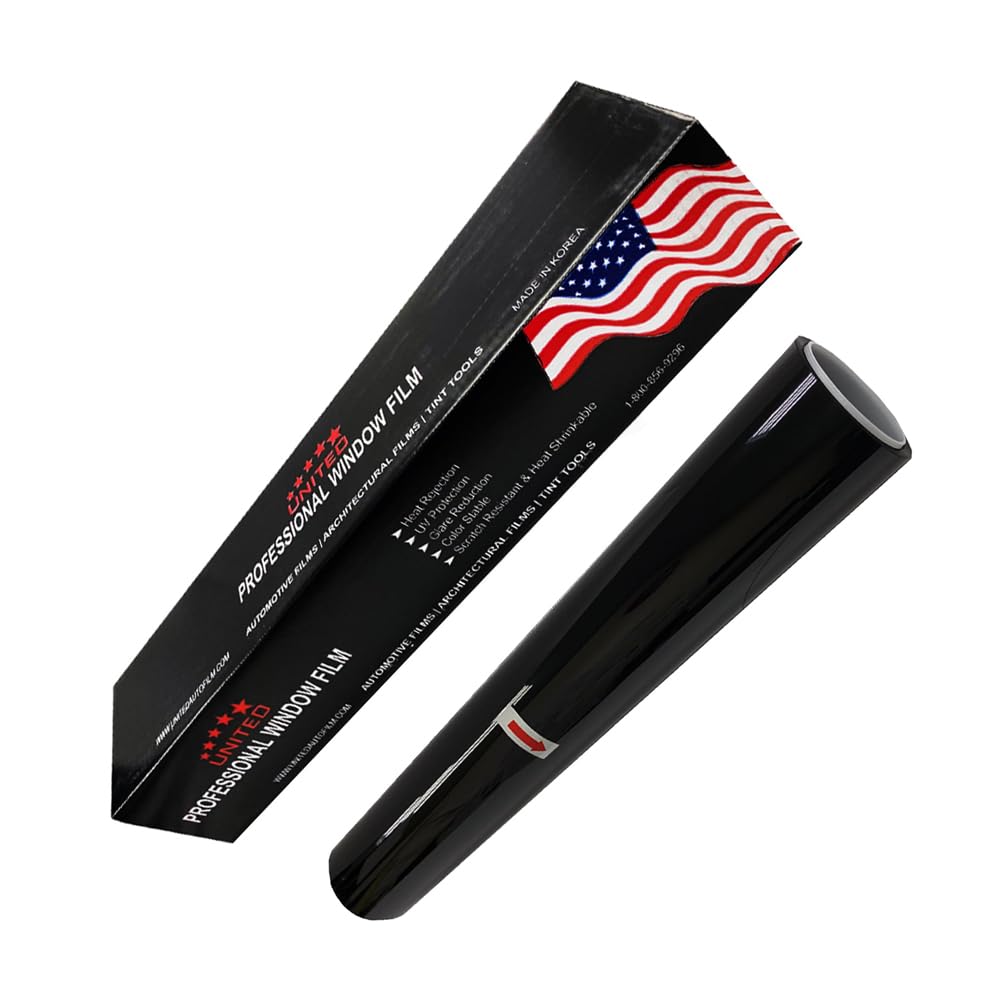
1. United Universal Black Window Tint Film 20″ x 100′, 5% VLT 1Ply Dyed PET
Our pick — over 4.5★ from 400+ verified ratings; the strongest balance of quality and price.
The 100-foot roll that turns into a fleet-wide tinting session.
This is the roll you buy when you want to tint multiple cars without buying a separate kit for each one. With 167 square feet of material (20 inches wide by 100 feet long), the United Universal roll delivers roughly 4.9 times the coverage of a standard 20″x20′ roll. Buyers report tinting six vehicles and still having material left over, which makes this a legitimate option for anyone with a driveway full of cars or a side-hustle tinting operation.
The film is a 1-ply dyed PET — a straightforward construction that blocks 99% of UV rays and provides a deep black finish at 5% VLT for maximum daytime privacy. Owners consistently praise the thickness, noting it is heavier than expected and resists tearing during installation. The trade-off of a dyed film is infrared heat rejection; it is not as effective as ceramic at keeping the cabin cool, but the sheer volume of material here makes the compromise easy to swallow for the price.
The crowd favorite across hundreds of ratings gives this pick a strong 4.6-star average. The recurring theme is the insane value-per-foot: one owner confirms the tint has faded zero in over a year of use.
Why It Dominates
- Massive 167 sq ft — covers six vehicles from one roll, per owner reports
- Thick, tear-resistant PET film makes DIY handling less stressful
- 99% UV block protects dashboards from sun damage
The Fit Note
- Dyed film absorbs less heat than ceramic alternatives — best for privacy-focused buyers, not heat-seeking ones
- 5% VLT is very dark; consider your state limits and night driving habits first
The bulk champion: Best for multi-car households or installers who need one roll to rule them all — 167 sq ft gives you room to make mistakes and still finish every window.
Think twice if: You want the strongest heat rejection from a ceramic layer; this dyed film does privacy and UV, not infrared battle.
2. IAQWE 20% VLT Ceramic Car Window Tint Film 20 in x 20 ft Roll
Nano-ceramic heat rejection without breaking the budget.
This is the entry point into ceramic film for someone who does not want to spend premium money. The IAQWE roll uses nano-ceramic particles to reduce infrared heat buildup inside the cabin, which means your AC works less and the steering wheel stays cooler on a parked summer day. At 20% VLT, it strikes a balance that most owners call ideal: you get privacy during the day and you can still see side mirrors clearly at night.
The film is marketed as shatterproof and scratch-resistant, with a 5-layer construction that holds glass shards on impact. Owners mention it is easy to work with and shrinks down well with a heat gun for curved rear windows — one owner tinted an entire restaurant’s windows and called the results great for the price. The caution comes from a minority of reviewers who say the film is thinner than expected and can scratch with aggressive handling. The 20″x20′ roll is enough for a compact sedan’s side and rear windows.
The consensus across nearly a thousand owners gives this a 4.1-star average. The thing everyone raves about is how easy it is to install — multiple first-timers succeeded on their first car.
Heat-beater on a budget: Real ceramic construction that cuts infrared heat and keeps your phone signal strong — no metal layers to interfere with GPS. The trade-off is a thinner film that demands a patient hand; dull blades will tear it.
Grab this if: You want the heat-rejection advantage of ceramic film for the price of a mid-tier PET roll. Great for first-time DIYers willing to watch a few install videos.
Pass if: You need maximum film thickness for heavy-duty use; this roll is thin and scratches faster than a 2Ply alternative.
3. TOYOCO Ceramic Car Window Tint Film, 5% VLT, 20″ x 20FT
A 2-ply ceramic film that keeps GPS and radio crisp.
The TOYOCO film is a step up in build quality because it uses a 2-ply ceramic construction — two bonded layers instead of one. That extra ply translates to better resistance against peeling and bubbling over time, while maintaining the nano-ceramic advantage of zero signal interference for GPS, phone, and radio. The film blocks 99% of UV rays and gives you the choice of multiple VLT shades, with the 5% option delivering near-total daytime privacy.
Owners love the darker look on SUVs and trucks — a Jeep owner says it protects their eyes and was easy to install. The kit includes a scraper and blade, which helps first-timers avoid running out for tools mid-project. On the flip side, a handful of reviewers found the installation genuinely difficult, reporting that the film sticks aggressively to itself and rips if not handled with soapy water. An occasional unit arrived with bubbles that never quite squeezed out. Still, for a ceramic film at this price point, the material quality is strong enough that the crowd gives it a solid 4.1-star rating across hundreds of owners.
Two-layer confidence: The 2-ply ceramic build adds durability that single-layer films lack. Best for the DIYer who wants professional-grade material without hiring a pro. The catch: the aggressive adhesive can make re-positioning a one-shot deal — wet your glass generously.
Choose this for: A ceramic tint that plays nice with your electronics and laughs at UV rays. The 2-ply construction gives it a longevity edge over budget ceramics.
Skip it for: Quick, forgiving installations. If you are prone to wrinkles and mistakes, the adhesive here punishes haste.
4. ARANA 5% VLT 20″×20FT Ceramic Car Window Tint Film
Ceramic-grade tint with an 18-month warranty for your confidence.
ARANA stands out because it backs its ceramic film with 18 months of after-sales support — a rare safety net in the budget tint category. The film uses nano-ceramic particles to block 99% of UVA/UVB radiation and keep the interior cooler, reducing AC costs in summer. At 5% VLT, this is a “limo tint” level of darkness, giving you near-complete privacy from outside.
What the reviews highlight is the film’s stable adhesive, which stays put without bubbling or yellowing during daily driving and car washes. Several owners found it easy to apply, with one wrapping a whole Jeep from a single roll. The downsides are the two most common complaints: some customers note the 5% film is actually lighter than advertised (closer to 20%), and the film is not particularly thick, meaning it can crease if you are rough with it. It is a capable ceramic roll for the DIYer who wants heat rejection and privacy, but the inconsistent darkness means you may need to test a scrap piece against the window first.
The owner community averages 4.0 stars across 600+ ratings, with value for money being the top praise.
Why It Works
- Nano-ceramic construction blocks 99% of UV and reduces solar heat
- 18-month customer support adds a layer of trust uncommon at this price
- Flexible film handles curves well for Jeep and SUV windows
The Honest Caveat
- Some rolls run lighter than the stated 5% VLT — check your local tint laws accordingly
- Thin material creases easily if you rush the install; patience is mandatory
Reach for it: If you want the heat-blocking power of ceramic film with a warranty that covers you if something goes wrong. Ideal for a first-time ceramic install where the learning curve is real.
Look elsewhere: If absolute shade accuracy matters — the 5% label is not always accurate per owner reports, so test before you cut all windows.
5. United 20% VLT Carbon Window Tint Film – 24″ x 100′ 2PLY High Performance
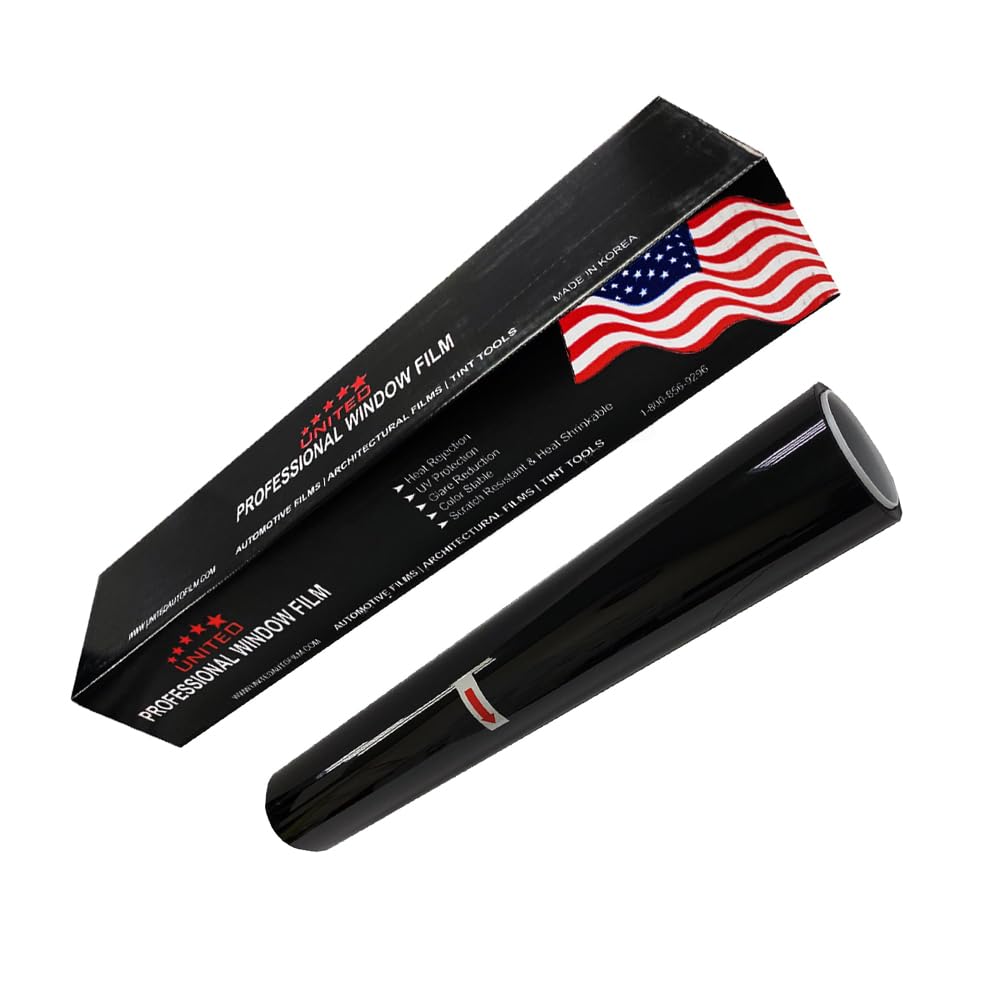
A 100-foot carbon roll engineered for professional heat-shrink installation.
If the budget ceramic rolls feel flimsy to you, the United Carbon film is the counter-punch. This is a 2-ply carbon film (200 square feet at 24 inches wide) that combines clear PET with embedded carbon particles to absorb infrared heat without the metallic sheen that interferes with electronics. The roll is designed for wet or dry heat-shrink installation — the preferred method for curved rear windows — and reviewers point out it shrinks down without crinkling or distortion.
The 20% VLT here is a mid-range shade that provides solid privacy while keeping night visibility usable. Owners describe the adhesive as very strong and note that the film stays put once set, cutting heat and sun intensity noticeably. A few mention it is slightly thinner than the premium brand Gila, but they also say it does not crease easily and bubbles out cleanly. The biggest caveat: one owner found the tint was lighter than the advertised 20%, so do a small test piece if your state has strict limits.
Across 184 ratings, this film averages 4.2 stars — a strong score for a roll that is built for a more demanding installer.
The pro’s bulk roll: 2-ply carbon construction with 200 sq ft of coverage and genuine heat-shrink capability for compound curves. The trade-off is the price — the largest investment here — but if you are wrapping a house and a car, the cost-per-foot vanishes.
Best suited for: Experienced DIYers or shop owners who need a large-format roll with real heat-rejecting carbon, not just dark dye. The film handles heat-shrink confidently.
Not for: A single window patch job — the 100-foot length is overkill unless you have multiple vehicles or a home project planned.
6. AUTOTEK 2Ply Premium Window Tint Film for Car 24in x 25ft (25% VLT)
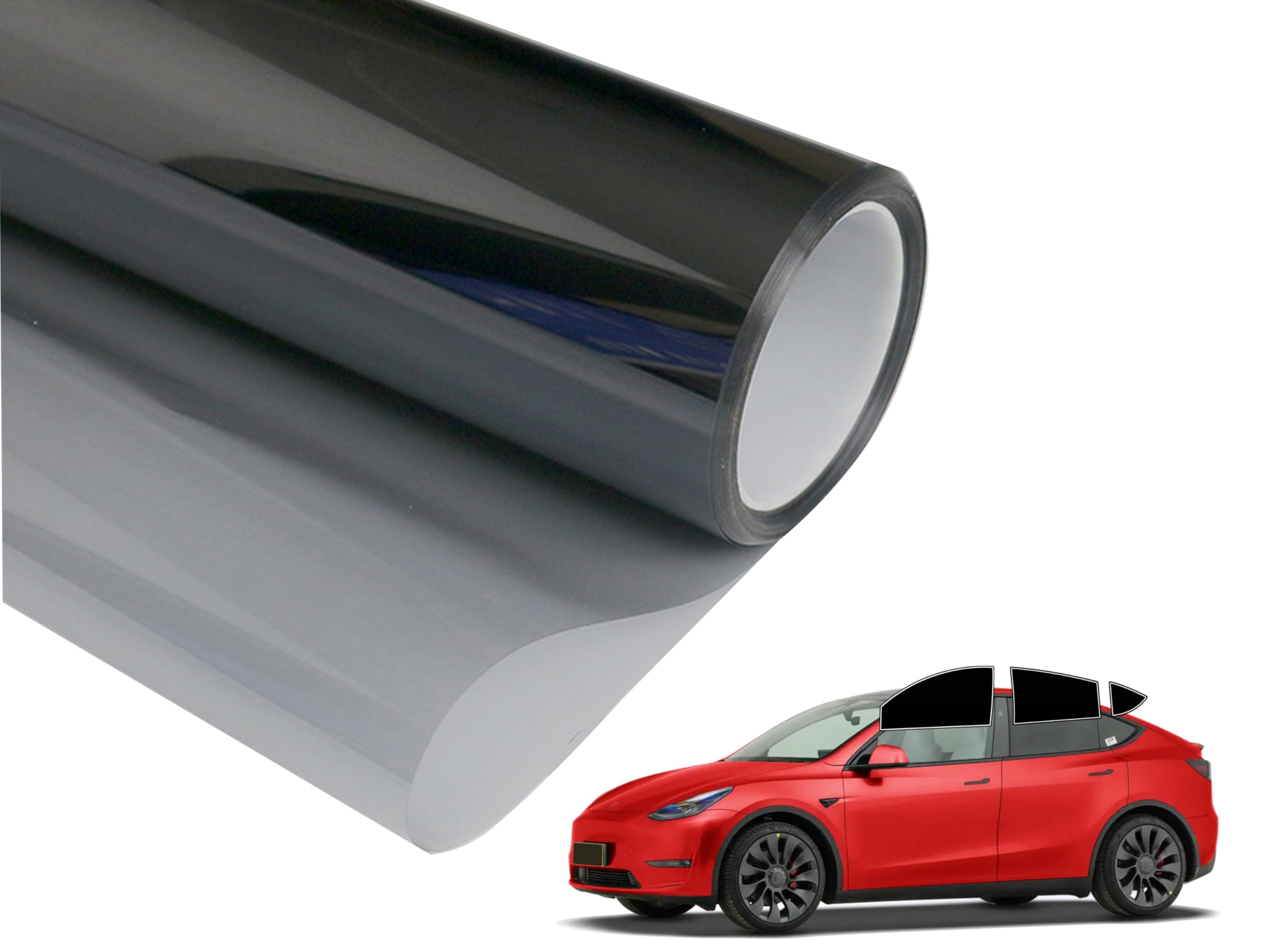
25% VLT is the balance for night drivers in strict states.
Not every state lets you run limo tint on your front windows. The AUTOTEK film sits at 25% VLT — a shade that clears the legal limit in many jurisdictions while still darkening the cabin enough for real privacy. The film uses a 2-ply PET construction, which gives it a thicker feel than single-ply rolls, and it blocks most UV rays and reduces heat buildup.
Owners comment on the accuracy of the darkness: the 25% matches the label consistently, so you do not get an unpleasant surprise after installation. A first-time user covered their Chevy Equinox side and rear windows perfectly from a single 24″x25′ roll. The film shrinks well with a basic heat gun, which makes curved back glass manageable. The repeating negative is that the film is thin despite the “2Ply” label — some buyers found it crinkles and wants to rip when heated aggressively. It is priced as a mid-tier option, and the crowd says it is good value for the money, though the tint quality gets mixed marks overall.
The ratings sit at 4.0 stars across 190 reviews, with value for money being the most-praised aspect.
The legality-first roll: 25% VLT is the safe bet for drivers who want dark side windows without a ticket. It is accurate to the percentage and easy to shrink, but treat the heat gun gently — the film can wrinkle under too much heat.
Reach for this if: You need to stay legal on your front windows and want a 2-ply film that fits a standard sedan with room to spare. Great for a first-time DIYer who knows YouTube.
Pass if: You are a heavy-handed pro who shrinks film aggressively; the thin 2-ply may frustrate you compared to a thicker carbon roll.
7. smilfuy 20% VLT Car Window Tint Film for Auto Sun Shade Roll 20″× 19.68Ft

The cheapest entry into tinting that actually blocks summer heat.
At 34 square feet, the smilfuy roll is a quarter of the size of the United bulk roll — but at a fraction of the price, it is the lowest-cost way to find out whether you even enjoy installing tint. The 20% VLT PET film is a universal dark vinyl that blocks UV rays and cuts glare, and buyers confirm it makes a real difference in reducing interior temperature on hot days, even without AC.
The material is very thin — this is the trade-off for the price. Multiple owners note the film tears easily and shrinks poorly, leaving hairline marks if you stretch it too far. But the flip side is that a careful wet installation with plenty of soapy water makes it forgiving, and one reviewer says it lasts as long as premium tint if installed correctly, with no peeling or bubbling after a year. The kit includes a squeegee and knife, so you have everything to start immediately.
The customer consensus gives this 4.0 stars across 200+ ratings. The biggest win is the value for money, but the biggest recurring pain point is the film’s thinness and durability — plan on a patient install session.
Why It Makes Sense
- Noticeable heat reduction in the cabin — owners feel it immediately
- Comes with a squeegee and knife; no extra tools needed
- 20% VLT gives privacy without making night driving dangerous
The Fine Print
- Very thin PET — tears and crinkles if you rush or cut with a dull blade
- Installation has a learning curve; plan for two people and a heat gun
Best for: The budget-first DIYer who wants to test their tinting skills before investing in a premium ceramic roll. The included tools remove the upfront cost barrier.
skip it if: You want a durable, thick film that survives mistakes. This is a thin entry-level PET — treat it gently or step up to a 2-ply roll.
Understanding the Specs
VLT — Visible Light Transmission
VLT is simply the percentage of light that passes through the tint. A 5% VLT film lets in only 5% of visible light — that is the dark, near-black look often called “limo tint.” A 20% film lets in more light, which makes side mirrors usable at night. The lower the number, the darker the film. Each state sets a legal minimum VLT for front side windows (usually between 24% and 50%), so check your local laws before cutting. Rear windows and back glass are often exempt, meaning you can go as dark as you want on those panels.
Film Construction — Dyed PET vs. Carbon vs. Ceramic
Dyed PET (polyethylene terephthalate) is the most common budget film — it darkens windows and blocks UV rays but absorbs heat rather than reflecting it, so the glass itself gets hot. Carbon film mixes carbon particles into the adhesive layer, which absorbs infrared heat without the metallic look, keeping the cabin cooler without blocking GPS. Ceramic film uses nano-ceramic particles to reject the most heat of any type while leaving phone and radio signals completely untouched. Ceramic is the most expensive material, but for cars parked in direct sun, it is the only one that truly attacks the heat at the source.
FAQ
What does VLT mean on a car window tint?
Does ceramic tint interfere with GPS or phone signals?
How many square feet of tint do I need for a sedan?
Is 5% VLT legal for front side windows?
What is the difference between 1-ply and 2-ply window tint?
How long does aftermarket window tint usually last?
Does carbon window film reject more heat than dyed PET?
Can I install window tint on curved rear windows by myself?
What does the Universal United window tint come with for tools?
Does the IAQWE ceramic film scratch easily during install?
Final Thoughts: The Verdict
For most people, the best car window tint winner is the United Universal Black 5% VLT roll because it delivers a massive 167 square feet of reliable 1-ply dyed PET film at a price that other rolls cannot touch — it covers six cars from one box. If you want ceramic heat rejection without the cost of a pro shop, grab the IAQWE 20% VLT Ceramic or the TOYOCO 2-ply Ceramic for zero signal interference and real infrared blocking. And for the budget-first buyer who just wants a cooler cabin, the smilfuy 20% VLT roll is the cheapest entry into tinting that actually works.
How We Picked
We do not accept paid placement. Every pick is matched to a real buyer and a real use-case; we do not hands-on test units.
Sources & Methodology
Specifications: manufacturer listings and product documentation. Review insights: verified customer reviews, as of July 2026. Pricing: not shown on this page (it changes often); check the current price via the retailer link.
As an Amazon Associate, Trending Car earns from qualifying purchases. This does not affect which products we feature.