
Our readers keep the lights on and my garage snacks stocked. As an Amazon Associate, I earn from qualifying purchases.
Specs are compiled from manufacturer listings and verified buyer reviews and can change over time — please confirm the key details on the product page before buying.
When your steering wheel is scorching by noon, you need a film that rejects solar heat, not just one that darkens the glass. That distinction separates a heat-rejecting film from a merely dark one, and it’s the core of choosing the right car window film for heat reduction.
I’m Min Islam — the founder and writer behind Trending Car. This guide is built by comparing the manufacturers’ published specifications and the patterns across verified customer reviews, so you get each pick’s real strengths and trade-offs instead of marketing spin.
The real test is how a film handles infrared heat, UV rays, and daily glare, which is why I’ve focused this guide on the car window film for heat reduction that owners say makes the most tangible difference.
Our Picks at a Glance

How To Choose The Best Car Window Film for Heat Reduction
Dark glass doesn’t automatically block heat. In fact, the darkest dye can absorb sunlight and radiate that heat into the cabin, making it hotter. To lower cabin temperature, choose a film that reflects or rejects infrared rays before they heat your seats.
Check the Film Type
Ceramic and carbon films keep your phone and GPS signal strong because they block heat with nanoparticles (tiny particles that absorb heat) instead of metal. Reflective and mirror films bounce heat away but often look shiny and have mixed adhesion reports — in the data, adhesion is the biggest complaint for reflective mirror films, so plan to install carefully.
Understand VLT and the Law
VLT (Visible Light Transmission) is the percentage of light that passes through the film. A 70% VLT lets in almost all light, while a 5% VLT is nearly black. Darker shades create more privacy but reduce your night vision, and many states enforce minimum VLT limits on front windows — check your local rules before you pick a shade or you’ll face an inspection failure.
Measure Your Windows First
A roll that’s too small forces you to seam panels, while one that’s too big wastes material and money. Measure your side windows’ length and width, then order a roll that covers that area plus extra for the learning curve—first-timers usually need one or two do-overs per window.
Quick Comparison
| Model | Best For | Film Type | Heat Rejection | UV Blocking | Amazon |
|---|---|---|---|---|---|
| BDF S15 Window Film★ Best Overall | Fast heat relief | Reflective Silver | High (80% reported) | 99% | Amazon |
| TOYOCO Ceramic TintTech-Friendly Ceramic | Signal-friendly shade | Nano-Ceramic | High (100°F+ test) | 99% | Amazon |
| JNK Reflective Mirror FilmMulti-Surface Mirror | Multi-surface coverage | Reflective Mirror | Moderate | UV Protection | Amazon |
| BDF PRBL Blue Film | Style with daylight privacy | Reflective Blue/Silver | High (10°F drops) | 99% | Amazon |
| MotoShield Pro Precut Kit | Exact factory fit | Nano-Ceramic | Up to 99% IRR | 99% | Amazon |
| MotoShield Pro 35% Roll | Serious heat blocking | Nano-Ceramic | Up to 99% IRR | 99.9% | Amazon |
| RockRose Carbon Tint | Plotter-friendly projects | Carbon Charcoal | 35% IR Rejection | 99% | Amazon |
| United Carbon Tint | Mixing with car and home jobs | 2PLY Carbon | High (heat & glare) | 99% | Amazon |
In-Depth Reviews
1. BDF S15 Window Film
Our pick — over 4★ from 750+ verified ratings; the strongest balance of quality and price.
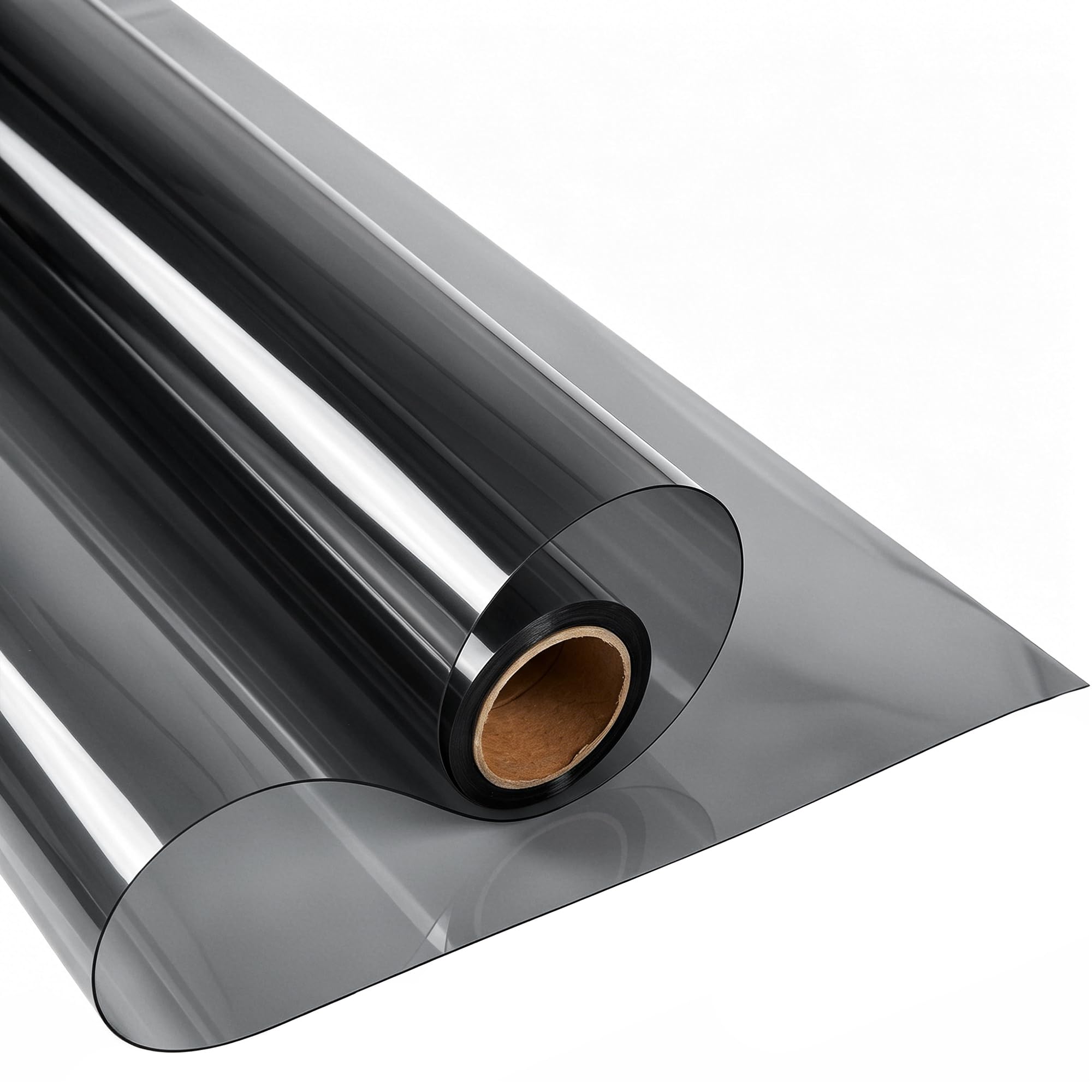
The reflective silver roll that owners say cuts the heat the moment it’s on the glass.
The clear theme in owner feedback here is speed: get this film applied with patience and buyers report an immediate drop in heat with one describing it as cutting 80% of the heat right away. You get this relief from a 14.4-ounce roll that measures 24 inches wide by 14 feet long, and the dark silver finish works hard to keep rooms and cabins cooler during the summer.
Owners praise the installation most — they find it easy and note the film doesn’t stick to itself while you work. The catch: this is a high-quality but sensitive PET (polyester) material, so use lots of soapy water on both the adhesive and window, and avoid sharp folds that create permanent wrinkles. Daytime privacy is a real strength, though the mirror effect reverses at night when interior lights are on.
Privacy feedback is mixed, not glowing — it gives good daytime privacy but isn’t as opaque as marketing suggests, so treat it as a heat-control tool first and a privacy screen second. Owners also note the outside reflection isn’t perfectly mirrored and the inside reflection is stronger than expected, which is just the physics of a one-way film.
Why Owners Reach for This
- Backed by immediate heat-drop reports, including an 80% cut in real-world use
- Blocks 99% of UV rays to slow interior fading
- Installation is the most praised aspect, with easy handling and no self-sticking
Install Realities
- Privacy is a daytime feature only — interior lights make it see-through at night
- Film is fold-sensitive; one crease means a permanent wrinkle
- Outside reflection is less mirrored than expected for some owners
The Fast Fix: This is the film for a driver who wants a measurable temperature change without the high cost of a ceramic upgrade.
The Prep Work: Expect a meticulous cleaning session before application — owners say spotless windows are non-negotiable for a good result.
2. TOYOCO Ceramic Car Window Tint
The ceramic film for drivers who want heat relief without losing their phone signal.
This 30-inch by 25-foot roll is built on a 2PLY premium ceramic construction that blocks 99% of UV rays, and unlike metal-based films, the nano-ceramic material keeps your GPS and phone signals crisp even after installation. In brutal heat, owners mention dramatic heat reduction even when the thermometer pushes past 100°F, which is the kind of real-world proof that dark dye films simply can’t match.
The visual appeal is a clear positive, with owners saying the sleek black finish looks great once it’s on. But the data here is honest about the trade-offs: this is a static-cling film, not a traditional adhesive one, and the adhesion has been a real sticking point for some. A few customers note the film scratching easily or the edges refusing to stick despite their best efforts, so this is a pick that demands a careful, patient install rather than a rushed afternoon job.
Owner value reads split: some find it affordable and effective, while a frustrated handful call it the worst they’ve used — that split signals to lower expectations on the adhesive and focus on heat performance, which is genuinely strong. The kit includes the film, instructions, a scraper, and a blade to get you started.
Performance Strengths
- 2PLY nano-ceramic film blocks 99% of UV rays
- Proven heat reduction in triple-digit heat per owner reports
- No signal interference for GPS or phone after install
Handling Hurdles
- Static-cling adhesion has drawn mixed owner feedback
- Some reviewers point out the film scratches easily
- First-timers may find the film sticks to itself and rips
The Signal Saver: Reach for this if you rely on GPS and wireless devices and refuse to trade connectivity for a cooler cabin.
The Installer’s Call: If you’d rather leave the squeegee for a professional, this film’s tricky adhesive is the reason to consider paying for help.
3. Reflective Car Window Tint Film
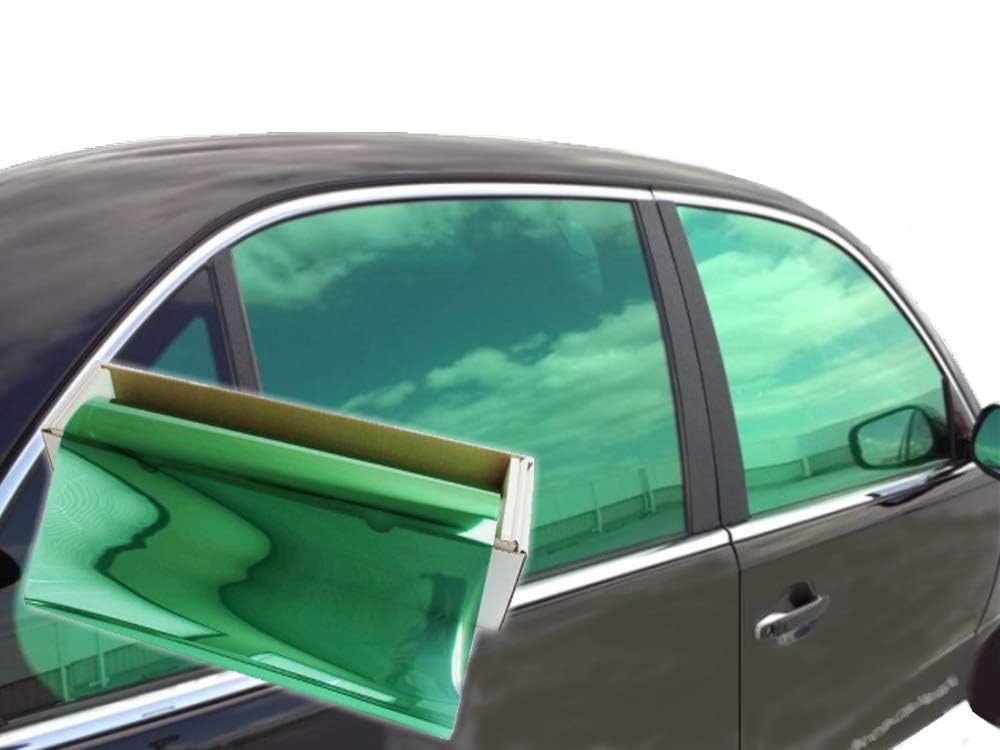
The versatile green mirror film that stretches from your car to a boat or tractor.
This reflective film works beyond the car — the manufacturer positions it for cars, boats, tractors, and home windows, in 7 colors and 7 sizes to match different projects. The one-way mirror surface keeps heat and prying eyes out, and owners consistently praise the appearance and overall quality of the finished look.
The honest rub is in the adhesive: this is the most-discussed aspect and it’s the product’s weak spot, with multiple owners reporting a roll with no sticky side at all or film that simply won’t adhere. The data suggests some batches may lack a proper adhesive layer, so if you’re not up for troubleshooting a dud roll, you might be better served by a film with a more consistent sticky backing. When the adhesive does work, owners note the film is thick and manageable, though separating the clear liner from the mirrored layer takes patience.
On the heat front, this is a straightforward reflective film — it bounces a good amount of sun away, but the opacity gets mixed reviews, with one owner noting it’s easy to look through during the day. For night driving, the feedback is blunt: you’ll want bright lights or a LED bar, because this is very dark once the sun goes down.
Flexible Appeal
- Works for cars, boats, tractors, and home window projects
- Owners praise the appearance and build quality
- Available in 7 colors and 7 sizes for custom coverage
Application Cautions
- Adhesion is the most common complaint — some rolls lack any sticky side
- Opacity is mixed; easy to look through in daylight
- Requires bright lights or a LED bar for safe night driving
The Multi-Tasker: Choose this for projects beyond the car — a boat, a tractor, or a home office — where the decorative color options are a bonus.
The Gamble: The inconsistent adhesive makes this a riskier bet for a pure DIY beginner who wants a guaranteed stick.
4. BDF PRBL Blue Window Film

A vibrant blue statement that turns your glass into a heat shield with a luxury look.
This 36-inch by 24-foot film delivers a vibrant blue shade on the outside with a silver interior, and buyers report immediate results, including temperature drops of about 10 degrees. The installation is the most praised aspect, with one owner tackling 40 windows in 6 hours with two people and another noting the film is thick, well-packed, and easy to install solo in cooler weather.
Beyond the heat relief, the appearance is a standout — the blue exterior gives your car or home a modern, finished look that owners genuinely like. The privacy story is familiar for reflective films: it’s strong during the day and weak at night when your interior lights are on, so don’t expect a 24-hour privacy shield. This film is installed on the interior side of the window, and it’s not recommended for dual-pane windows, so check your glass type before committing.
The value picture is compelling: one owner reported saving per month on their electric bill after installation, which is the kind of concrete payback that makes this more than just an aesthetic upgrade. That said, the mirror effect gets mixed reviews, so if a perfect one-way reflection is your goal, set your expectations realistically.
The Visual Edge
- Vibrant blue exterior with a silver interior for a unique look
- Owners mention about 10 degrees of temperature reduction
- Installation is easy enough for a solo DIY project
Glare and Glass Notes
- Daytime privacy only — you’re visible at night with lights on
- Not recommended for dual-pane windows
- Mirror effect doesn’t always match the marketing claim
The Style Statement: This is for the driver who wants heat relief and a distinctive blue finish that turns heads.
The Glass Check: If your car or home has dual-pane windows, this film is a no-go — verify your glass type first.
5. MotoShield Pro Precut Nano Ceramic Tint

The precision-cut ceramic that takes the guesswork out of trimming your own tint.
This kit skips the measuring and cutting entirely — the film is precut for your exact vehicle and covers both front windows, with no additional trimming required. It’s a nano-ceramic tint that rejects up to 99% of infrared heat and blocks 99% of UV rays, and customers note a noticeably cooler car and better privacy after a surprisingly easy application on the side windows.
Owner feedback centers on quality and heat resistance, with heat-blocking a genuine standout — it keeps sun and heat away from sensitive passengers, a real comfort win. The catch: the rear window is very difficult to shrink onto a 50-degree curved glass with antennae and dots, and a few owners gave up and had it removed. This kit is best for side windows, and the lifetime warranty requires registration, so don’t skip that step.
The shade is customizable from 5% up to 75% VLT at order time, which takes the guesswork out of picking the right darkness for your needs and your local laws. The honest concern from a small number of owners is whether this is true ceramic or a dye-based film — one reported fogging after sun exposure, so keep your expectations measured if you’re a purist about film technology.
The Precision Advantage
- Precut for your exact vehicle — no trimming needed on side windows
- Rejects up to 99% of infrared heat radiation
- Shades customize from 5% to 75% VLT at order
Fit and Finish Limits
- Rear window installation is notoriously difficult on curved glass
- Some owners question whether it’s true ceramic film
- Lifetime warranty requires you to register the product
The Side-Window Special: This is for the driver who wants a perfect factory-style fit on their front windows without buying a giant roll and cutting it themselves.
The Rear-Window Caveat: If you need the back glass done too, budget for a pro — this film is a known challenge on curved rear windows.
6. MotoShield Pro 35% VLT Nano Ceramic Roll

The 2Mil ceramic film engineered to reject up to 99% of infrared heat and chill your interior by 25°F.
This 36-inch by 15-foot roll is made for serious heat blockers. The manufacturer claims the nano-ceramic adhesive film blocks up to 99% of infrared heat radiation and is tested to cool your interior by up to 25°F, with a maximum of 70% total solar energy rejected — numbers that put it at the top of the heat-fighting class here. It also blocks 99.9% of UV rays, protecting your seats and dash from sun damage.
At just 2Mil thick, it’s relatively easy to handle compared to thicker films, and owners consistently describe the tint as thick, durable, and high-end looking, with some comparing the finish favorably to premium brand film. The temperature difference is noticeable immediately after installation, and owners note that any initial haze or imperfections disappear after a 2-day cure period, so give it a couple of days before judging the clarity.
The honest friction points are real: some owners received a damaged first roll, and there are reports of ragged edges and film that creases easily during the shrink process. One owner found a significant sizing discrepancy — the sticker said 35% but a meter read 5%, which caused a state inspection failure — so verify the actual shade if you’re cutting it close to legal limits.
Serious Heat Defense
- Up to 99% infrared heat rejection
- Blocks 99.9% of harmful UV rays
- Only 2Mil thick for easier handling and shrink
QC and Fit Watch
- Some rolls arrive damaged with ragged edges
- Film creases easily during the shrink process
- Reported shade discrepancy on a metered unit
The Peak Performer: This is for the buyer who wants maximum heat rejection and doesn’t mind paying a premium for ceramic technology.
The QC Rollercoaster: Because quality control varies, you may need to exchange a damaged roll before you get a clean one.
7. RockRose Carbon Charcoal Tint
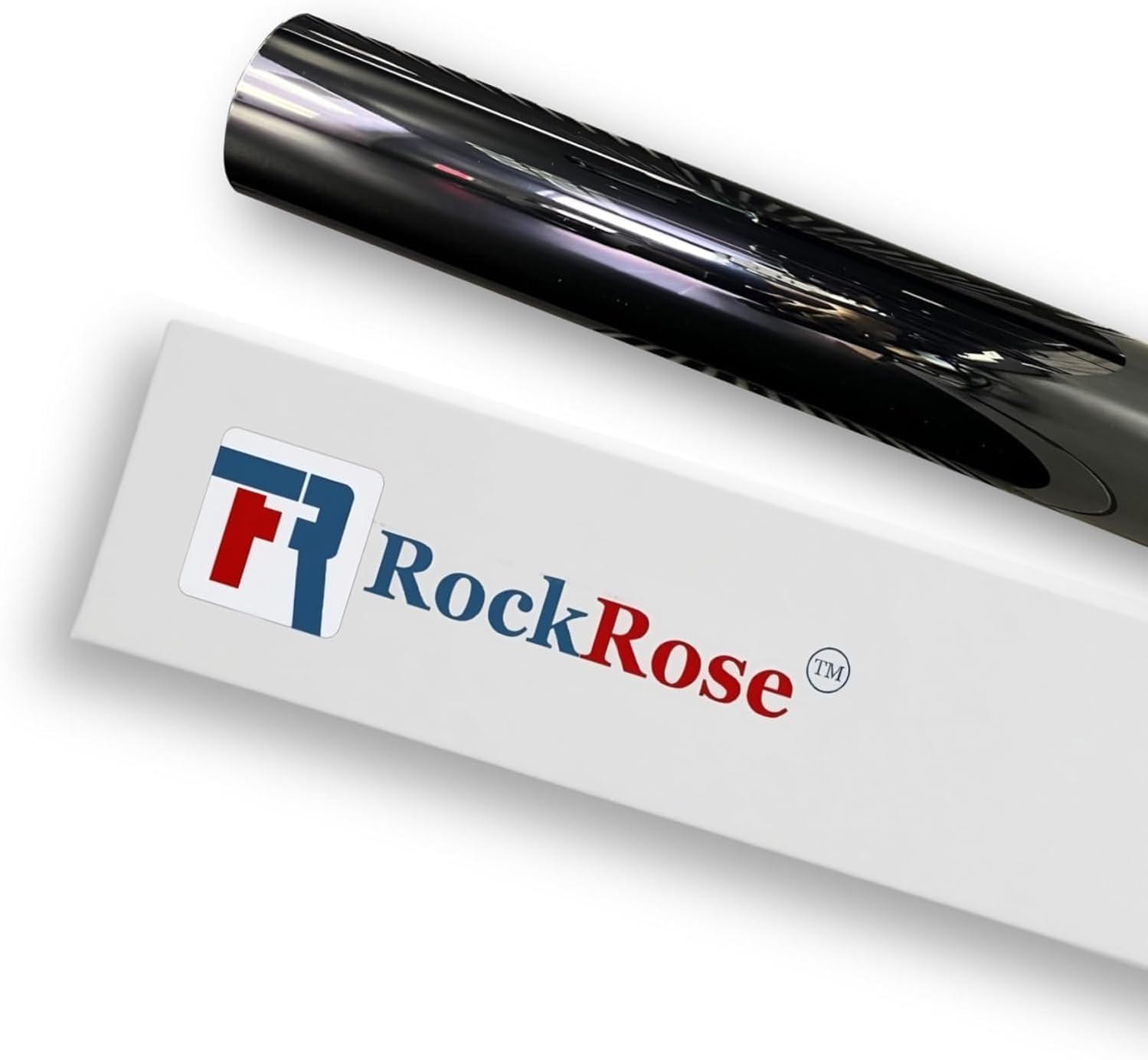
The massive 100-foot carbon roll for ambitious DIY projects and plotter-friendly precision cutting.
This is a serious volume play: a 60-inch by 100-foot roll of 1PLY carbon charcoal film that’s advertised as plotter friendly, meaning it’s built to be machine-cut for exact shapes without wasting material. It blocks up to 99% of harmful UV rays and provides up to 35% infrared rejection with 45% TSER (Total Solar Energy Rejected), a combination aimed squarely at keeping your car notably cooler on hot days.
Owners are consistently happy with the film quality and the tint itself, praising the fact that it doesn’t create a blue tint on the glass and that the tackiness is just right for application. For the price per square foot, buyers repeatedly describe it as a great-value film, and the install is straightforward with water and a squeegee for a smooth, bubble-free finish. The manufacturer also markets it for home use, so you can use leftover material on house windows to cut glare and heat indoors.
The honest trade-off is in the shrinking: this doesn’t shrink as well as pricier films, so it’s better for experienced installers who can handle a film that’s less forgiving on curved glass. The roll end also often arrives crushed in shipping, which can damage the first few feet of film and adds to the creasing reports from a minority of owners.
Big-Project Value
- 100-foot roll covers a full car with plenty of practice material
- Blocks up to 99% of UV rays with 45% TSER
- Plotter-friendly design for precision machine cutting
Shrink and Ship
- Doesn’t shrink as easily as more expensive films
- Roll end frequently arrives crushed in transit
- Best reserved for experienced installers
The Volume Buyer: Reach for this if you’re tinting multiple cars, a home, or a fleet and want maximum square footage for your money.
The Skill Requirement: This is a pro-grade material, so if you’ve never shrunk a film onto a curved window, start with a cheaper practice roll first.
8. United 20% VLT Carbon Tint
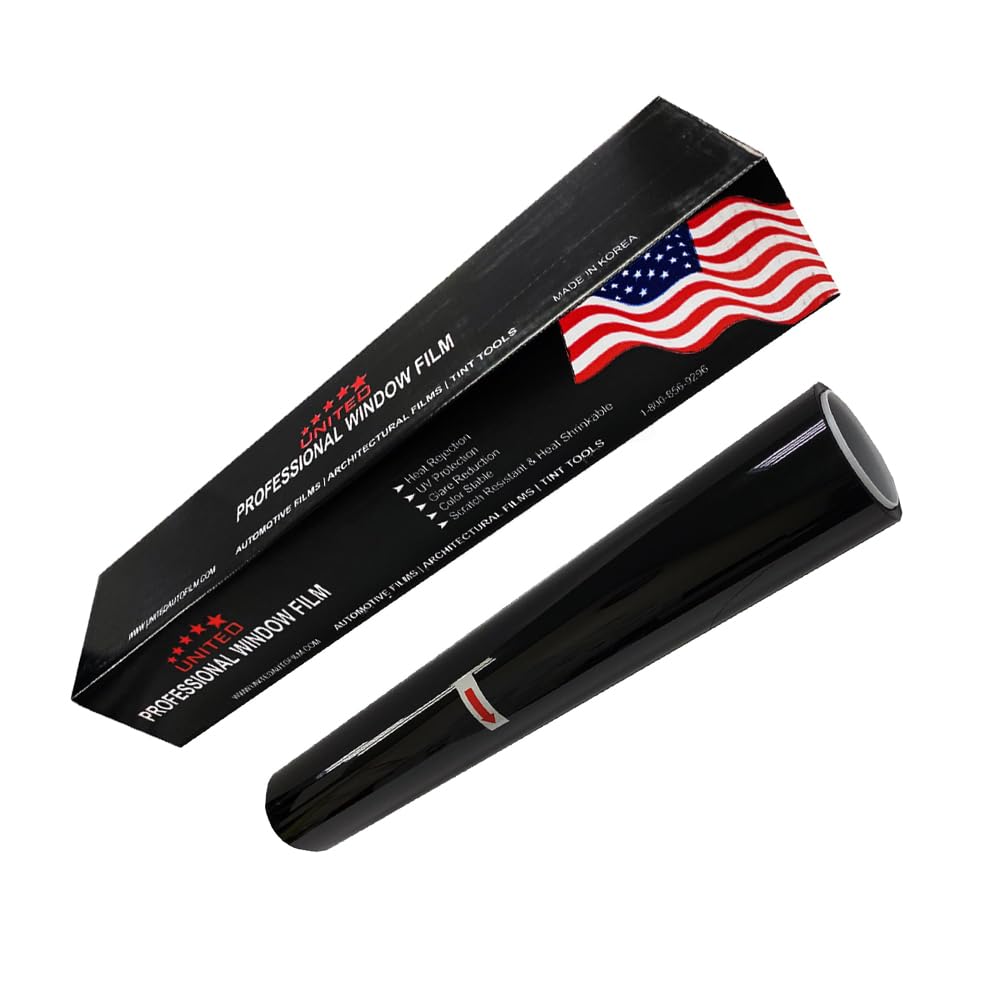
The 2PLY carbon film that stretches from your car windows to your home office without missing a beat.
This 40-inch by 100-foot roll of professional-grade 2PLY carbon film combines clear polyester with carbon particles for excellent optical clarity and low reflectivity, meaning you get heat and glare reduction without a distracting mirror finish. It blocks up to 99% of harmful UV rays and is formulated to work on cars, trucks, SUVs, homes, and offices, giving you one roll that can handle both a vehicle and a sunny room.
Owners praise the quality and tint, noting the film doesn’t discolor and makes the car look great. In one ambitious home project, a buyer applied it to 40-plus windows and reported it reflects UV and heat back outside, noticeably cooling the interior and cutting cooling costs — evidence that heat performance holds up beyond the car. The unit count lists 333 square feet of film, which explains why it can cover a whole house or a full vehicle with material to spare.
The installation is forgiving for a carbon film: one owner noted it’s thinner than a popular store brand but has no creasing issues and is easy to cut and debubble. The recurring note is that a correct install with a sharp razor, a slip solution, and a heat gun for edges makes all the difference. The one sour note in the data is a complaint that the shade arrived lighter than the advertised 20%, so if you’re specific about darkness, be prepared to verify it.
Dual-Purpose Value
- Blocks up to 99% of harmful UV rays
- Works for vehicles, homes, and offices in one roll
- Thinner, no-creasing film that’s easy to cut and debubble
Shade and Stick Variables
- Some reviewers point out the shade is lighter than the 20% advertised
- Adhesion feedback is mixed — correct install is critical
- Thinner than some premium brands
The Dual-Project Pick: This is the one roll that can handle your car and your home windows, making it ideal for a buyer with multiple heat problems to solve.
The Shade Check: If legal limits are tight, verify the actual installed shade because the 20% label may not be perfectly accurate.
Understanding the Specs
IR Rejection vs. VLT
IR rejection measures how much infrared heat the film blocks, while VLT (Visible Light Transmission) measures how much visible light passes through. A film can be nearly clear and still reject a lot of heat — that’s the magic of ceramic technology. Don’t equate darkness with heat protection, because a dark dye film can actually absorb heat and radiate it into your cabin.
TSER and Film Layers
TSER (Total Solar Energy Rejected) is the overall percentage of the sun’s total energy the film blocks, and it’s the number to trust for real-world heat performance. 2PLY films, like the carbon and ceramic options here, use two bonded layers of PET (polyester) for better durability, while 1PLY films are thinner, lighter, and easier to handle but offer less structural strength.
FAQ
Will car window tint interfere with my GPS or phone signal?
What does VLT mean and why does it matter?
How long does car window film last before it needs replacing?
Can I install window film myself or do I need a professional?
Is darker tint always better at blocking heat?
Will window film damage my car’s defroster lines?
What’s the difference between ceramic and carbon window film?
Can I use car window film on my home windows?
Why do bubbles appear after I apply the film?
Is 20% or 35% VLT the right shade for my car?
Final Thoughts: The Verdict
For most drivers, the car window film for heat reduction winner is the BDF S15 because it delivers the fastest reported temperature drop at a budget-friendly price, backed by a strong owner consensus on easy installation. If you want maximum heat rejection and don’t mind a premium investment, the MotoShield Pro 35% Roll leads on pure thermal performance. And for a driver who tints both a car and a home, the United 20% VLT Carbon Tint is the versatile roll to reach for.
How We Picked
We do not accept paid placement. Every pick is matched to a real buyer and a real use-case; we do not hands-on test units.
Sources & Methodology
Specifications: manufacturer listings and product documentation. Review insights: verified customer reviews, as of August 2026. Pricing: not shown on this page (it changes often); check the current price via the retailer link.
As an Amazon Associate, Trending Car earns from qualifying purchases. This does not affect which products we feature.