
Our readers keep the lights on and my garage snacks stocked. As an Amazon Associate, I earn from qualifying purchases.
Specs are compiled from manufacturer listings and verified buyer reviews and can change over time — please confirm the key details on the product page before buying.
Choosing a car tint means balancing three things: how dark you can legally go, how much heat the film actually stops, and whether you can install it yourself without turning your window into a bubble maze. The right roll for you depends on your VLT (visible light transmission) limit and your patience for DIY, since most films here are peel-and-stick projects.
I’m Min Islam — the founder and writer behind Trending Car. This guide is built by comparing the manufacturers’ published specifications and the patterns across verified customer reviews, so you get each pick’s real strengths and trade-offs instead of marketing spin.
The best car tint for most buyers is the United Universal 5% VLT roll, since it offers thick film, deep privacy, and enough material for several vehicles.
Our Picks at a Glance
How To Choose The Best Car Tint
The darkest film is not automatically the best film for you. Your state sets a legal VLT limit for front windows, and going darker can mean failed inspections or tickets. Start by checking your local laws, then match the shade to your privacy needs and driving habits.
VLT: The Number That Governs Everything
VLT stands for visible light transmission, the percentage of light that passes through the film. A 5% VLT film lets only 5% of light in, which looks near-black from outside and gives maximum privacy. A 35% VLT film is much lighter, keeping your windows readable from outside while still cutting glare and heat.
Ceramic vs. Dyed: The Signal Question
Ceramic films use nano-ceramic particles that block heat without metal, so your phone, GPS, and toll transponders keep working normally. Dyed films use a layer of color that absorbs heat instead, and while they are cheaper, they can interfere with wireless signals if they contain metal. If you rely on in-car GPS or phone mounts, ceramic is the safer route.
Quick Comparison
| Model | Best For | VLT Level | Material | Roll Size | Amazon |
|---|---|---|---|---|---|
| United Universal★ Best Overall | Best Overall | 5% | Dyed PET | 24″ x 100′ | Amazon |
| TOYOCOBest Value | Best Value | 5% | Ceramic | 20″ x 20FT | Amazon |
| RockRosePremium Pick | Premium Pick | 35% | Carbon | 20″ x 100FT | Amazon |
| LuxeShade | Top Performer | 35% | Carbon | 24IN x 100FT | Amazon |
| TOYOCO 20% | Best 20% Shade | 20% | Ceramic | 24″ x 15FT | Amazon |
In-Depth Reviews
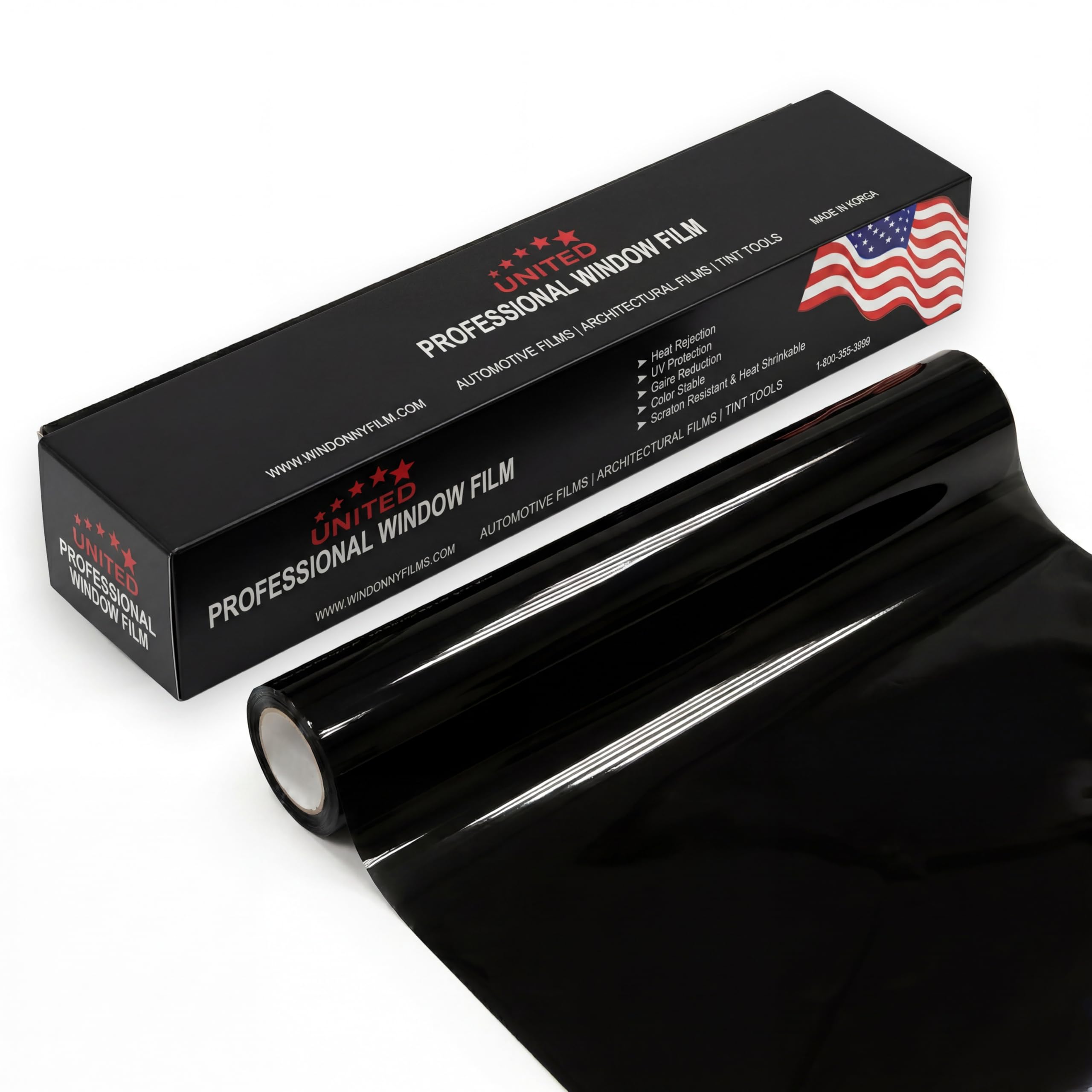
1. United Universal Black Window Tint Film
Our pick — over 4.5★ from 400+ verified ratings; the strongest balance of quality and price.
The 100-foot roll that keeps tinting long after your first car is done.
The headline spec here is the roll size: 24 inches by 100 feet, which works out to 166.67 square feet of film. That is enough material that buyers report tinting six vehicles and still having film left over, which makes this the strongest value per square foot on this list.
The film is 1Ply dyed PET, which means it absorbs heat rather than reflecting it, and owners consistently note it feels thicker than expected, so it handles installation without tearing. It blocks up to 99% of UV rays, protecting your dash and upholstery from sun damage., and at 5% VLT it delivers serious daytime privacy with that deep black look.
The trade-off with dyed film is that it does not have the signal-friendly properties of ceramic, so if you rely heavily on GPS or phone reception through your windows, you might notice a difference. Installation also earns mixed feedback — some find it easy to work with while others struggle, so this rewards patience on your first attempt.
What Wins People Over
- Thicker than expected, so it resists tearing during install
- Blocks up to 99% of UV rays. for interior protection.
- Massive 24″ x 100′ roll covers multiple vehicles
- Deep black finish for strong daytime privacy
What to Know Before You Buy
- Dyed film may affect wireless signal reception
- Installation is mixed — some find it tricky
- 5% is very dark, so check your state’s legal limit
Reach for this if: you want maximum film for your money and plan to tint more than one vehicle.
Look elsewhere if: you need ceramic signal-friendly film or prefer a lighter legal shade.
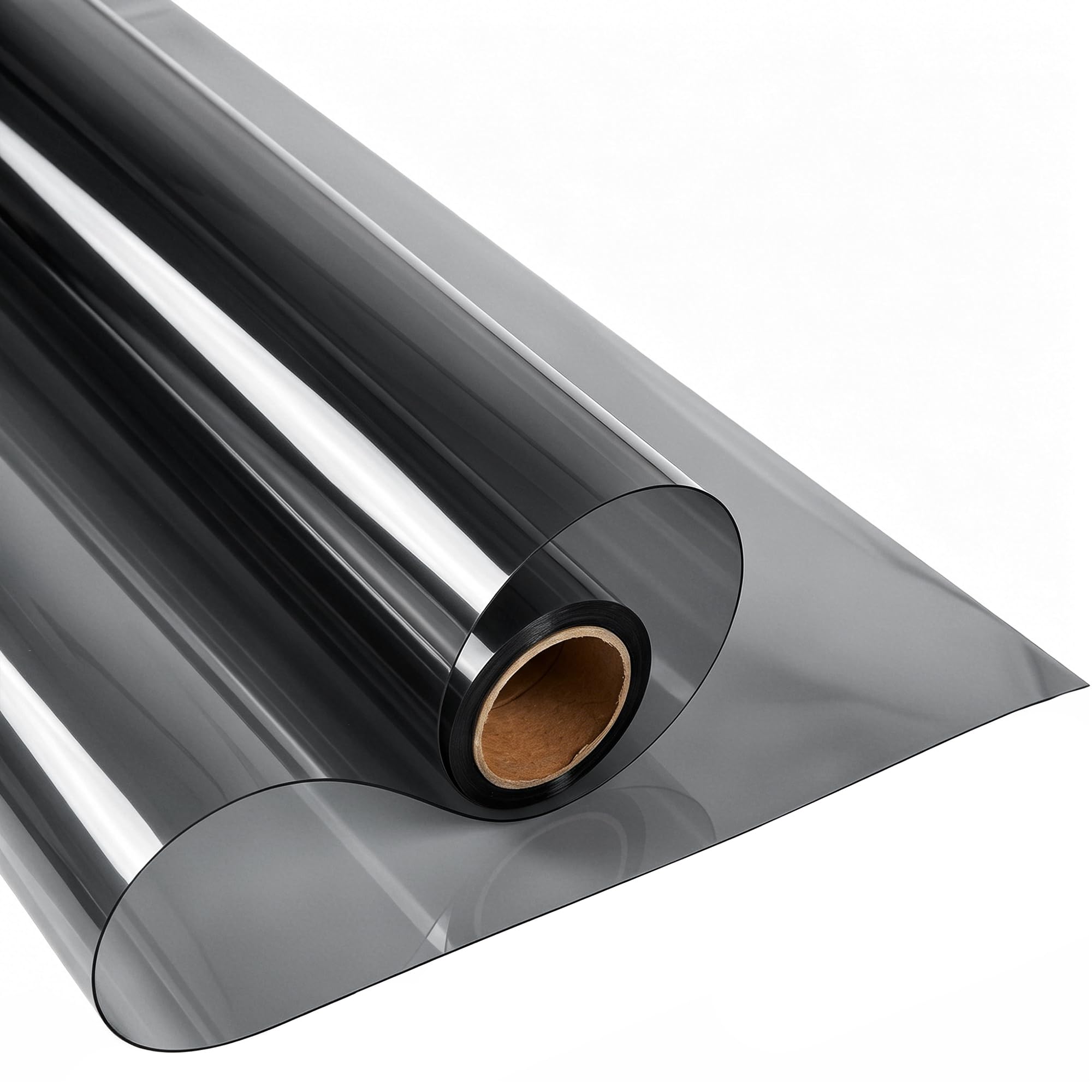
2. TOYOCO Ceramic Car Window Tint
Budget-priced ceramic that keeps your phone and GPS signals clear.
This 20-inch by 20-foot roll is the entry point for ceramic tint, and it makes a smart first buy because the material is what matters. Ceramic film blocks 99% of UV rays without metal, preserving wireless signal clarity., so your phone, GPS, and other wireless devices keep working after installation — a real edge over dyed films.
Owners mention strong value for money and effective UV blocking., and the review pages note it cuts glare from headlights at night. The 2PLY premium ceramic construction is scratch-resistant, so it holds up to daily wipers and minor friction without showing marks.
The honest caveat is installation, which gets decidedly mixed feedback. Some find it easy to work with, while others say the film arrived wrinkled and filthy and would not stay adhered in direct sunlight. This is a film that rewards careful prep and generous soap spray during application, not a grab-and-go job.
Solid budget ceramic: the signal-friendly material and UV block make it a smart pick for the price.
Best for: first-time buyers who want ceramic protection without a premium price tag.
Think twice if: you want a film that forgives a rushed or messy install.
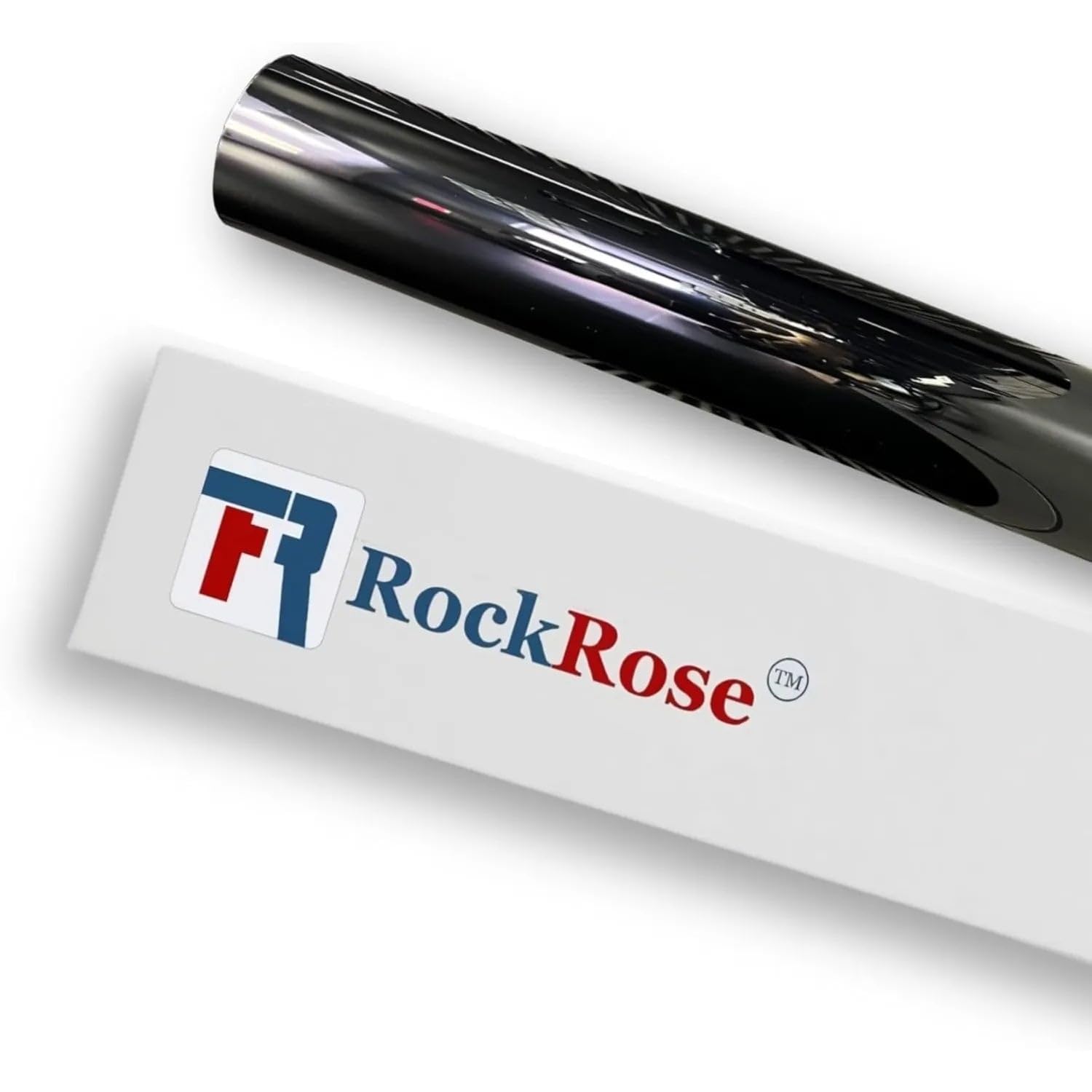
3. RockRose 35% Carbon Window Tint
The carbon film that rejects heat without that blue tint.
What sets this 20-inch by 100-foot roll apart is its measured heat rejection: up to 35% infrared rejection and 45% TSER for effective heat control., which keeps the cabin cooler on hot days. It is a carbon film rather than dyed, and owners specifically note it does not create the blue tint that some films pick up, so the finish looks natural.
At 35% VLT, this is a medium smoke that balances privacy with visibility, making it a legal-friendly choice for front windows in many states. The 100-foot roll gives you 166.66 square feet of material, enough for a full car with room for mistakes, and owners find it easy to apply with water and a squeegee.
The minor gripes are mixed adhesion and creasing, plus the occasional roll end arriving crushed. But the consensus is strong: owners call the film quality the standout, praising its reasonable feel and easy workability, and the manufacturer throws in 24/7 support.
Why It Stands Out
- Up to 35% IR rejection keeps the cabin cooler
- No blue tint — natural charcoal finish
- 100-foot roll covers a full car with spare film
- Blocks up to 99% of UV rays
Watch Out For
- Mixed adhesion reports on curved glass
- Roll end can arrive crushed in shipping
Pick this if: you want a lighter legal shade with real heat rejection and a natural look.
skip it if: you need near-black 5% privacy or a film that shrinks easily on complex curves.
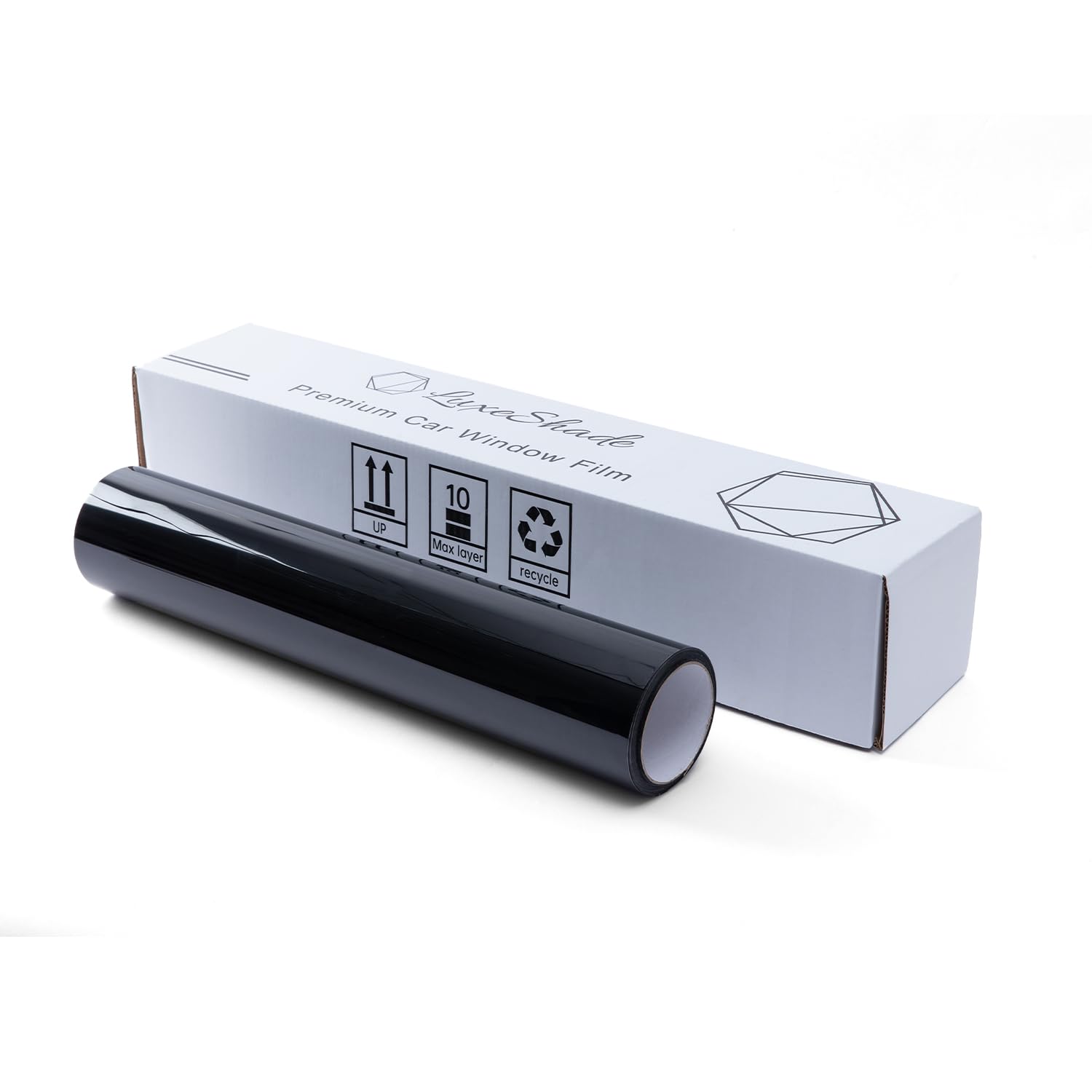
4. LuxeShade Professional Carbon Window Tint
A 200-square-foot pro roll that forgives first-timer mistakes.
This 24-inch by 100-foot roll delivers 200 square feet of film, the largest coverage on this list, and it uses carbon nano technology to block heat while letting you see out without letting others see in. Drivers in hot climates report a significant difference in cabin temperature after install.
Owners find it more forgiving and easier to install than other tints they have tried, and the recommendation to use a heat gun to lay down curves points to real heat-shrink capability. The 35% shade keeps a sleek blackout look while staying legal for front windows in many states.
The catch is that this film needs real heat to shrink properly on curved glass, and there is a fine line between usable and burned — one owner noted the flatter front window dried to a slightly different shade after a few days. This is a film for someone willing to follow the heat-gun technique.
Pro-grade coverage: the 200-square-foot roll and forgiving install make it a strong value for larger vehicles.
Reach for it if: you have a big SUV or truck and want a generous roll that blocks heat.
Look elsewhere if: you want a dark 5% shade or a film that shrinks with minimal heat.
5. TOYOCO Ceramic Window Tint 20% VLT
The mid-dark ceramic option that blocks heat without blocking your signal.
This 24-inch by 15-foot roll gives you 30 square feet of ceramic film at 20% VLT, a shade that falls between the deep 5% privacy look and the lighter 35% option. It is built from 2PLY premium ceramic, so it blocks 99% of UV rays and rejects heat. while your GPS, phone, and wireless devices keep working without interference.
Customers note dramatic heat reduction even in temperatures above 100°F, keeping the cabin noticeably cooler., and the scratch-resistant surface holds up to daily use. The film is also available in multiple shades from 5% up to 70%, so if this roll’s 20% is too dark or too light, the same brand has a match for you.
The real caution is installation difficulty: the film sticks to itself, rips easily, and leaves bubbles if rushed. Owners recommend professional installation for a permanent, clean result, and one review warns the thin film can distort visibility if applied carelessly.
What Works
- Ceramic material keeps phone and GPS signals clear
- Dramatic heat reduction in extreme temperatures
- Scratch-resistant surface for daily durability
What’s Tricky
- Installation is hard — film sticks to itself and rips
- Thin construction can distort visibility if rushed
Choose this if: you want a middle-ground 20% shade with ceramic signal protection.
pass on it if: you are a first-timer who wants an easy install without professional help.
Understanding the Specs
VLT: Visible Light Transmission
VLT is the percentage of light that passes through your tinted window. A 5% VLT film looks nearly black from outside and offers the most privacy, while a 35% film is noticeably lighter and keeps your windows more readable. Most states set a legal minimum VLT for front side windows, so check your local rules before choosing a shade.
Ceramic vs. Dyed and Carbon
Ceramic films use nano-ceramic particles that block heat without metal, keeping your phone, GPS, and toll transponders working normally after install. Dyed films use a color layer that absorbs heat and are usually cheaper, while carbon films sit in between with good heat rejection and no blue tint. If you rely on wireless signals through your windows, ceramic is the safest choice.
FAQ
How dark can my car tint legally be?
What does VLT 5% mean for night driving?
Will ceramic tint block my GPS or phone signal?
How much film do I need for a full car?
Is DIY car tint installation realistic for a beginner?
What is the difference between ceramic and carbon tint?
How long does car window tint last?
Can I use car window tint on home windows?
Final Thoughts: The Verdict
For most buyers, the car tint winner is the United Universal because its 100-foot roll delivers the most film for your money with a deep privacy shade and 99% UV block. If you want signal-friendly ceramic at a budget price, grab the TOYOCO 20-foot roll. And for a lighter legal shade with measured heat rejection, the RockRose carbon film is the one to reach for.
How We Picked
We do not accept paid placement. Every pick is matched to a real buyer and a real use-case; we do not hands-on test units.
Sources & Methodology
Specifications: manufacturer listings and product documentation. Review insights: verified customer reviews, as of August 2026. Pricing: not shown on this page (it changes often); check the current price via the retailer link.
As an Amazon Associate, Trending Car earns from qualifying purchases. This does not affect which products we feature.