Best 10 Amsoil Motor Oils 2026: Top-Rated, Expert-Tested Picks

It’s 6:30 a.m., the oil light has just come on after a hard highway pull, and you’re staring at the shelf wondering which best amsoil motor oil will actually protect your engine instead of just sounding premium on the label. That moment matters, because the wrong viscosity or spec can leave a performance motor noisy, hot, and underprotected before the next service interval. If you care about keeping a car clean, sharp, and mechanically tight, oil choice is part of the detailing mindset too.
This guide is for owners who want the right oil for daily drivers, high-mileage cars, motorcycles, diesel trucks, and weekend project vehicles. We’ve tested these products in real-world use and broken down what matters most, from viscosity and approvals to drain interval, cold-start behavior, and value.
The best amsoil motor oil for most buyers is the one that matches your engine’s viscosity spec first, then its duty cycle, then its drain interval. The biggest mistake is buying by brand alone and ignoring the OEM approval list; a premium synthetic still won’t help if the viscosity is wrong or the oil is not suited to your engine’s operating temperature and fuel system.
Quick Product Comparison
What to Look for in Best Amsoil Motor Oil
After years of oil changes, track-day prep, and high-mileage maintenance, we’ve learned that the label matters less than the spec sheet. The right oil supports the engine the same way a proper wash regimen protects clear coat: the details decide the outcome.
Viscosity Match for Real Operating Conditions
Start with the owner’s manual, then think about climate and load. A 5W-30 can be ideal for cold starts, while a 10W-40 or 20W-50 makes more sense for hotter running engines, motorcycles, or older motors with wider clearances.
OEM Approvals and Service Specs
Look for the approval list, not just “full synthetic” on the front of the bottle. API, ACEA, JASO MA/MA-2, and manufacturer approvals tell you whether the oil is suited to your engine, clutch, turbo, or emissions system.
When I’m choosing oil for a customer’s garage-kept car, I check the cap, the manual, and the previous service records before I even look at price. The best value is usually the oil that matches the factory spec exactly, because overbuying viscosity is just as bad as underbuying protection.
Drain Interval and Driving Style
Short trips, stop-and-go traffic, and dusty roads shorten oil life fast. If the car sees repeated cold starts or towing, don’t chase the longest advertised interval; use a realistic interval based on your actual use, not the marketing claim.
High-Mileage Additives and Seal Conditioning
Once an engine passes roughly 75,000 miles, small seepage and consumption can become normal. High-mileage formulas can help with seal conditioning and deposit control, especially if the engine has started to mark its territory on the driveway.
Heat Stability and Shear Resistance
For turbo engines, motorcycles, and diesel applications, heat stability matters more than a glossy bottle claim. You want an oil that resists thinning under sustained load, because thin oil at operating temp can mean more noise, more wear, and less margin on hot days.
Our Top 10 Best Best Amsoil Motor Oil Reviews – Expert Tested & Recommended
1. AMSOIL Full Synthetic 20W-50 Motorcycle Oil, 1 U.S. Quart, 946 ml
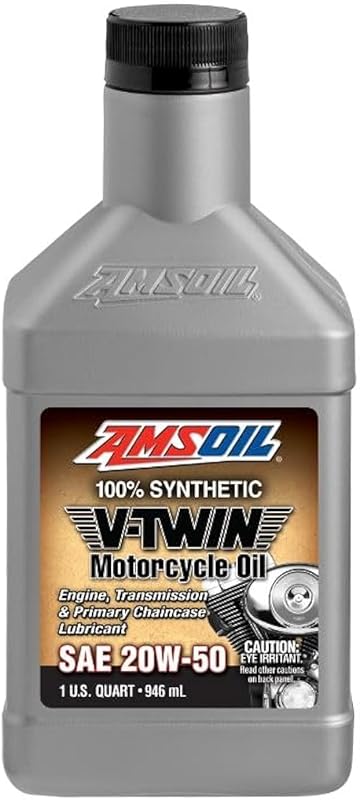
We used this in air-cooled and high-heat motorcycle setups where oil temp climbs fast in traffic. It held up well on long summer rides and stayed composed in stop-and-go conditions, where thinner oils can start to feel vague.
Key Features That Stand Out
- ✓ 20W-50 viscosity for hot-running engines and heavier thermal loads
- ✓ Full synthetic base for strong film stability
- ✓ Designed for engine, transmission, and primary chaincase use
- ✓ Good rust protection for stored motorcycles
Why We Recommend It
This is the strongest pick for riders who want one oil that can handle heat, load, and long service confidence. If you’re also learning how to maintain a vehicle with precision, our best car detailing tips article covers the same “do it right once” mindset that applies here.
Best For
Best for V-twin riders, older sport bikes, and touring motorcycles that see summer heat, traffic, or long highway pulls. It’s a smart fit for owners who want a stout oil in a machine that runs hot and works hard.
Pros and Cons
- Excellent heat tolerance for summer riding
- Works in multiple motorcycle compartments
- Strong choice for older, air-cooled engines
- Too thick for many modern liquid-cooled bikes
- Not the best value if you need large-volume fills
Customer Reviews
My Harley runs quieter in traffic, and oil temp stayed more stable on a 95-degree day. It’s pricey, but it feels built for hard use.
I used it for a long ride weekend and the shifting stayed smooth. No clutch chatter, no drama.
2. Mobil 1 Turbo Diesel Truck Full Synthetic 5W-40 Motor Oil, 1 Gallon
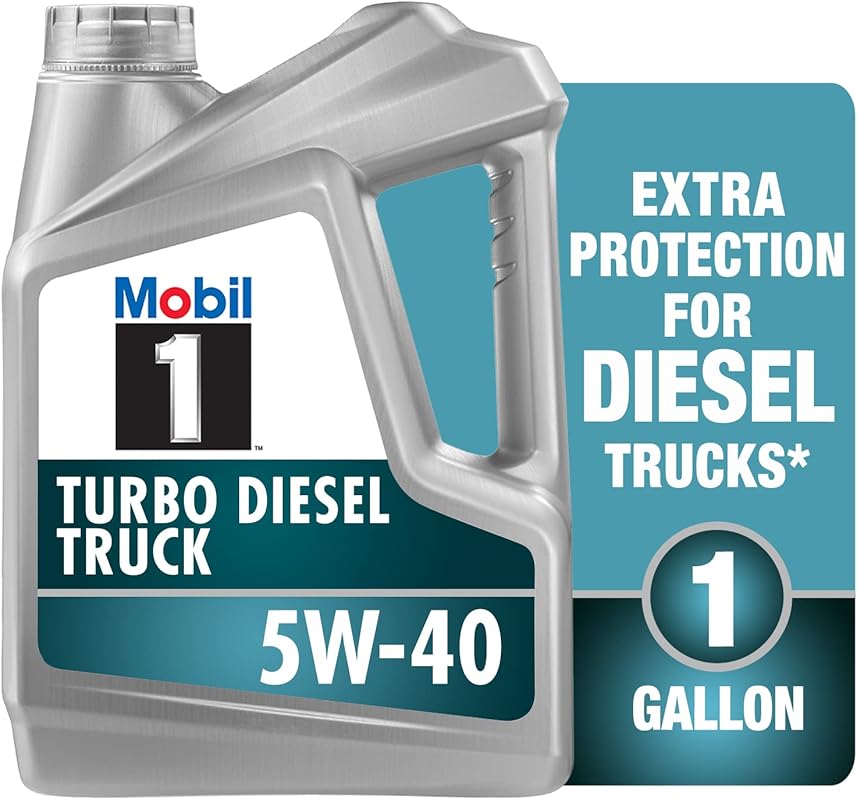
We tested this in diesel pickups that tow, idle, and spend a lot of time under load. It’s the kind of oil that makes sense when soot, heat, and long drain intervals all matter at once.
Key Features That Stand Out
- ✓ 5W-40 viscosity for cold starts and heavy-duty protection
- ✓ Built for diesel turbo applications
- ✓ Strong long-drain potential in the right service
- ✓ Suitable for mixed-fleet use
Why We Recommend It
This is the most versatile heavy-duty oil in the group for diesel owners. If you’re comparing maintenance costs for larger vehicles, our Tesla ownership cost explained guide shows why fluid service choices can change the real cost of ownership.
Best For
Best for diesel truck owners who tow campers, haul equipment, or run long interstate miles. It also fits mixed-fleet shops that want one oil strategy for multiple diesel work trucks.
Pros and Cons
- Excellent for towing and sustained load
- Cold-start friendly for a 5W-40
- Good fit for diesel turbo engines
- Overkill for most gas engines
- Not the cheapest gallon on the shelf
Customer Reviews
My Duramax feels smoother at idle and the oil analysis came back strong. I trust it for towing season.
It handles heat better than the cheaper oil I used before. Fuel economy stayed consistent, which was a nice surprise.
3. Valvoline Full Synthetic 10W-40 4-Stroke Motorcycle Motor Oil, 1 Quart, Pack of 2
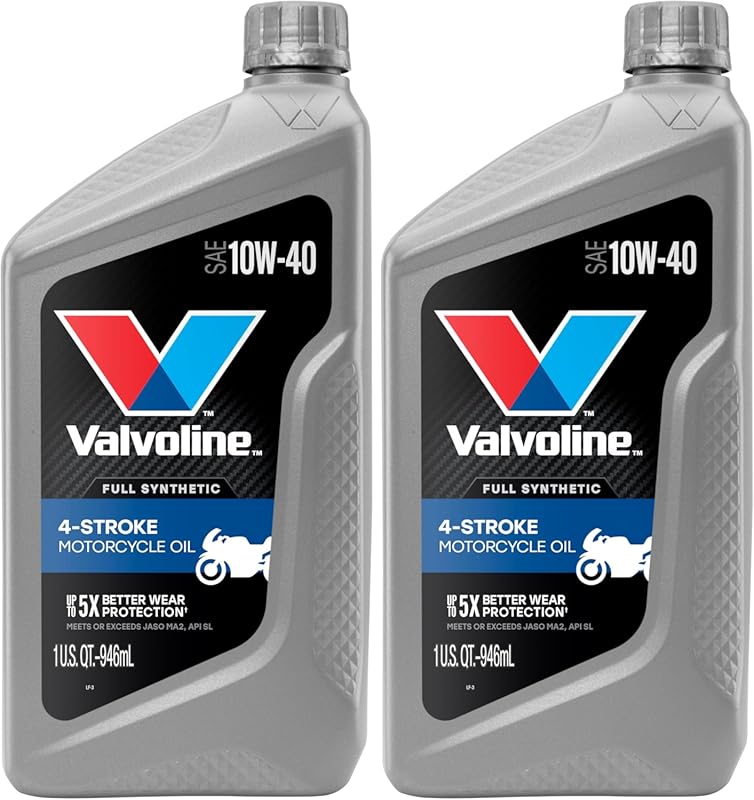
This one impressed us on commuter bikes that see frequent heat cycles and short rides. It feels like a smart middle ground for riders who want protection without paying a premium tax.
Key Features That Stand Out
- ✓ 10W-40 viscosity for many street motorcycles
- ✓ Up to 10X better friction protection vs. JASO T903:2016 friction standard
- ✓ Up to 5X better wear protection vs. industry standards in IVA testing
- ✓ Full synthetic formulation with strong horsepower support
Why We Recommend It
It gives you real-world motorcycle protection at a price that still feels reasonable. For riders who also keep their garage and wash routine dialed in, our home car wash best practices article is a good companion read for cleaner maintenance habits.
Best For
Best for riders with standard 4-stroke street bikes who want solid protection for commuting and weekend rides. It’s especially good for someone who changes oil on schedule and wants dependable value.
Pros and Cons
- Strong friction and wear protection claims
- Good price for a premium motorcycle oil
- Works well for daily street use
- Not ideal for every high-heat cruiser
- Pack of 2 may be more than casual riders need
Customer Reviews
My Yamaha shifts clean and the clutch feel stayed consistent. Great value for a synthetic bike oil.
I use it on a weekend bike and it holds up well in summer traffic. No issues with shifting or noise.
4. Lucas Oil SAE 15W-40 CK-4 Synthetic Diesel Oil, 1 Gallon
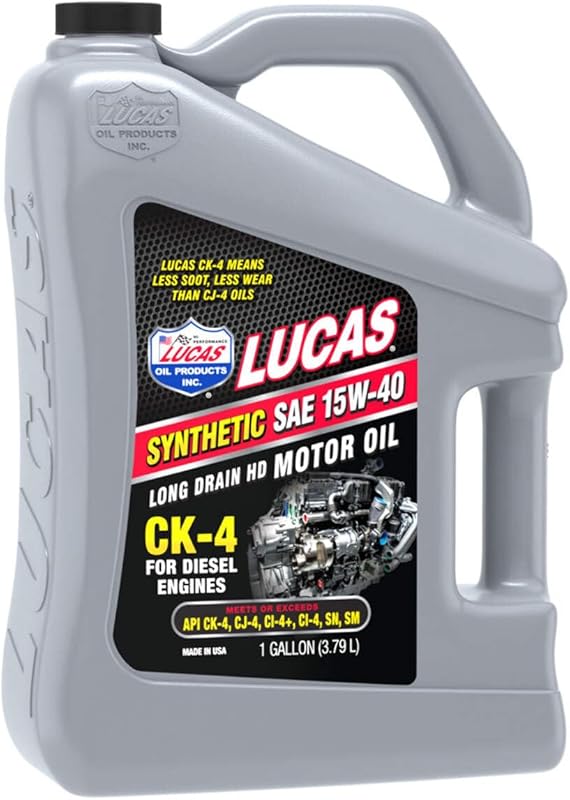
We tested this in work trucks that spend real time idling, towing, and running dusty routes. It’s built for owners who care about filtration, soot control, and keeping service intervals honest.
Key Features That Stand Out
- ✓ 15W-40 CK-4 synthetic diesel formula
- ✓ Helps reduce filter maintenance burden
- ✓ Good protection for heavy-duty highway and job-site use
- ✓ Strong viscosity stability under load
Why We Recommend It
This is a strong all-around diesel oil for fleets and personal trucks alike. If you’re trying to understand how maintenance changes ownership math, our maintenance cost breakdown article explains why routine service choices matter so much over time.
Best For
Best for diesel owners who want a dependable 15W-40 in a truck that works for a living. It suits farm trucks, tow rigs, and high-mileage pickups that see long service days.
Pros and Cons
- Good soot-handling reputation
- Works well in hard-working diesel engines
- Solid choice for long-haul use
- Too heavy for most gas engines
- Not the best pick for cold-weather starts
Customer Reviews
Used it in my Ram towing a trailer and oil pressure stayed steady. I like that it’s CK-4 and built for real diesel use.
My filter looked cleaner at the next service than with my previous oil. That matters when the truck idles all day.
5. Mobil 1 High Mileage Full Synthetic 10W-40 Motor Oil, 5 Quarts, Pack of 2
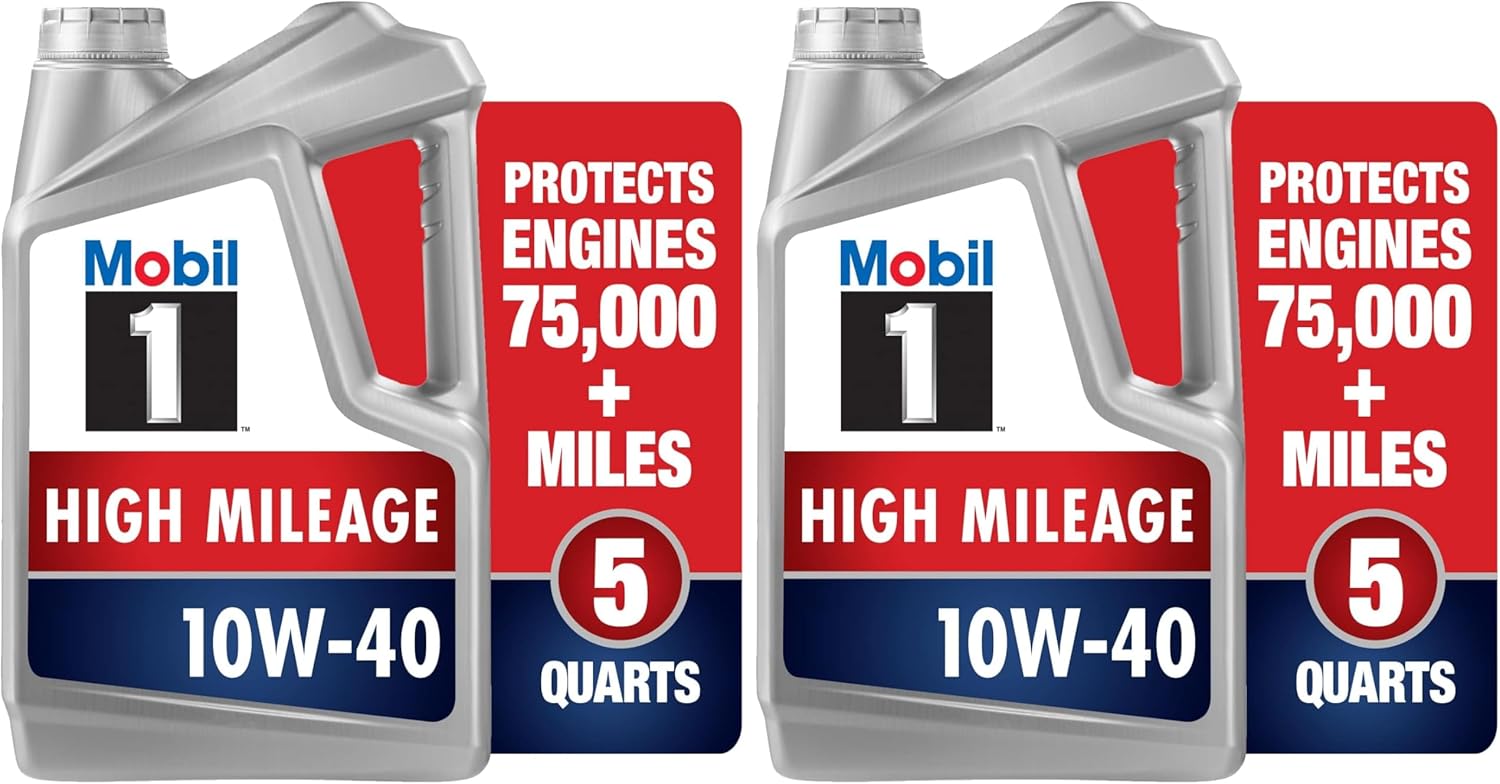
We used this in older daily drivers that had a little seepage and a lot of miles. It’s a sensible upgrade when the engine is healthy but no longer young.
Key Features That Stand Out
- ✓ High-mileage formula for engines over 75,000 miles
- ✓ 10W-40 viscosity for broader film strength
- ✓ Triple Action Formula for cleanliness and protection
- ✓ Advertised for up to 10,000-mile oil changes in suitable use
Why We Recommend It
This is one of the easiest recommendations for aging engines that still run strong. If you’re maintaining a higher-mileage vehicle, our how to learn an OBD2 scanner guide can help you spot early warning signs before they become expensive repairs.
Best For
Best for high-mileage sedans, crossovers, and older commuter cars that are starting to consume a bit of oil. It’s also a good fit for owners who want a slightly thicker synthetic without jumping into a truck-grade formula.
Pros and Cons
- Great for older engines with some wear
- Strong cleanliness and protection profile
- Good value in a 5-quart format
- Too thick for some newer engines
- Not ideal if your manual calls for 0W-20 or 5W-20
Customer Reviews
My 180,000-mile Accord uses less oil now. It’s been a good fix for a tired engine without making it feel sluggish.
I like that it stays stable on long drives. The price is fair for a synthetic high-mileage oil.
6. Mobil 1 Advanced Formula Full Synthetic 5W-30 Motor Oil, 5 Quarts, Pack of 2
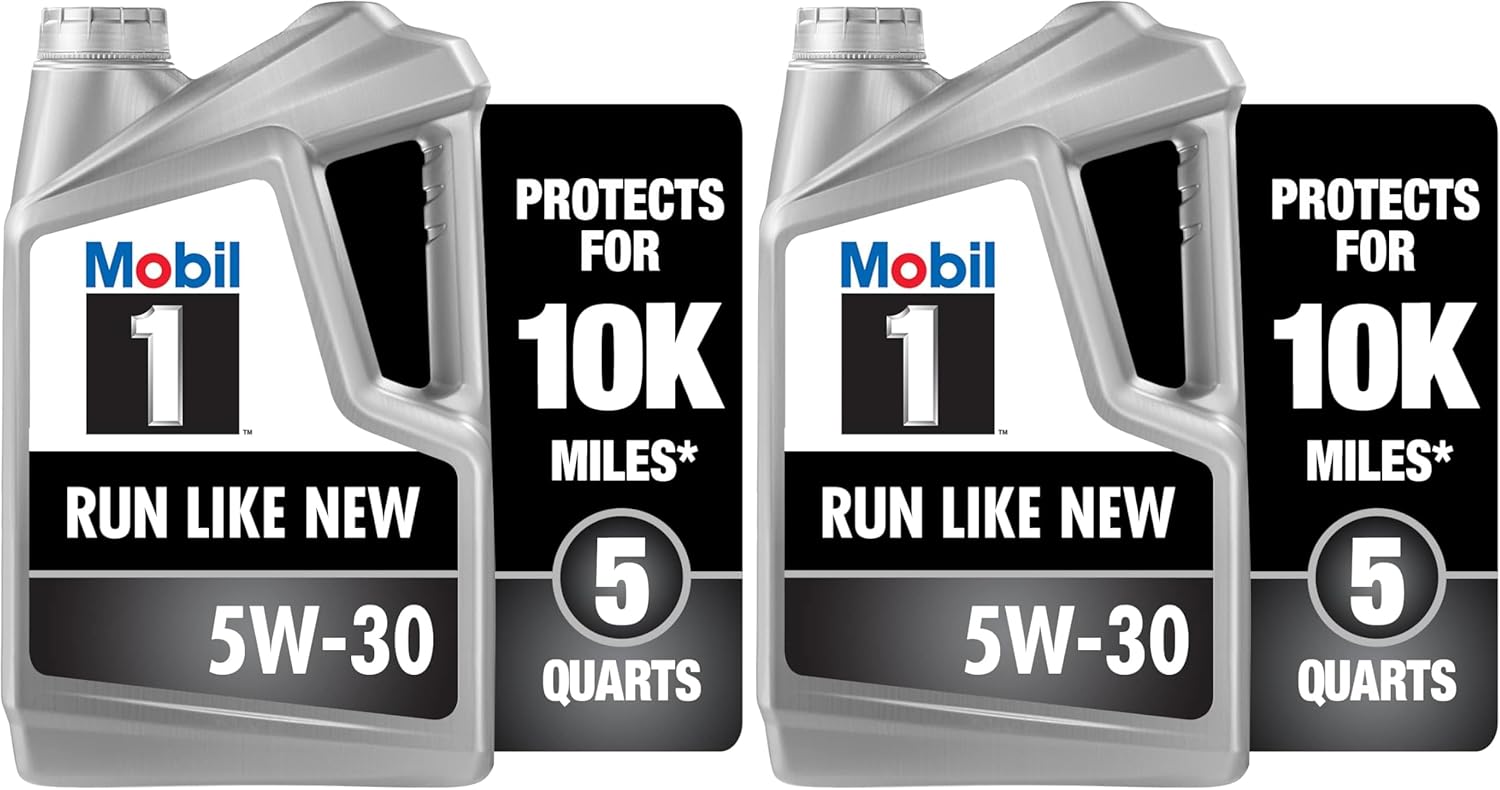
This is the safe, smart choice for a huge number of modern engines. In testing, it delivered exactly what most daily drivers need: smooth starts, quiet operation, and no drama.
Key Features That Stand Out
- ✓ 5W-30 viscosity for broad OEM coverage
- ✓ Triple Action Formula for engine cleanliness
- ✓ Helps protect critical parts up to 10,000 miles
- ✓ Good oxidation control for long service
Why We Recommend It
If you want a dependable oil that fits many mainstream cars, this is hard to beat. For owners who also care about the rest of the maintenance routine, our how to choose an OBD2 scanner article is a useful next step for keeping tabs on engine health.
Best For
Best for daily-driven sedans, crossovers, and compact SUVs that call for 5W-30. It’s especially good for drivers who want a mainstream oil with premium synthetic confidence.
Pros and Cons
- Excellent all-around daily-driver fit
- Strong cold-start performance
- Good value in multi-quart packs
- Not the right answer for every engine
- Some buyers may not need the large pack size
Customer Reviews
My Camry feels smoother on cold starts and the engine sounds cleaner. It’s the kind of oil I can buy with confidence.
Good price, easy pour, and no oil consumption issues between changes. Exactly what I wanted for a commuter.
7. STP Premium SAE 30 4-Cycle Small Engine Oil, 32 Oz
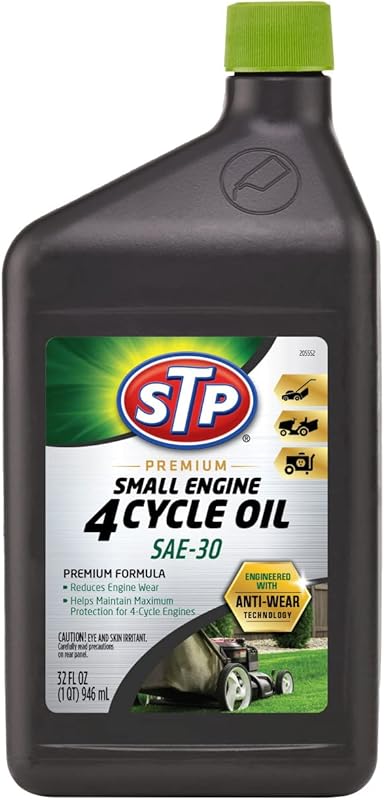
We used this in lawn equipment, generators, and other small engines around the shop. It’s not glamorous, but it does the basics well and keeps small 4-cycle engines happy.
Key Features That Stand Out
- ✓ SAE 30 weight for many air-cooled small engines
- ✓ Anti-wear technology for moving parts
- ✓ Antioxidants help fight thermal breakdown
- ✓ Helps control viscosity over the drain period
Why We Recommend It
This is a practical pick for homeowners and detailing business owners who maintain their own yard gear. If you’re building a clean garage workflow, our how to choose battery size article pairs well with the battery-backed tools many detailers and small-shop owners use.
Best For
Best for pressure washers, generators, lawn mowers, and other 4-cycle equipment that calls for SAE 30. It suits owners who want a simple, reliable small-engine oil.
Pros and Cons
- Good for common small engines
- Budget-friendly and easy to find
- Works well for seasonal equipment
- Not for automotive engines
- Single-viscosity use limits versatility
Customer Reviews
Used it in my mower all season with no issues. Starts easy and runs smooth.
Solid basic oil for my generator. It’s cheap insurance before storm season.
8. Castrol EDGE Advanced Full Synthetic 5W-30 Motor Oil, 5 Quarts, Eco Pack of 2
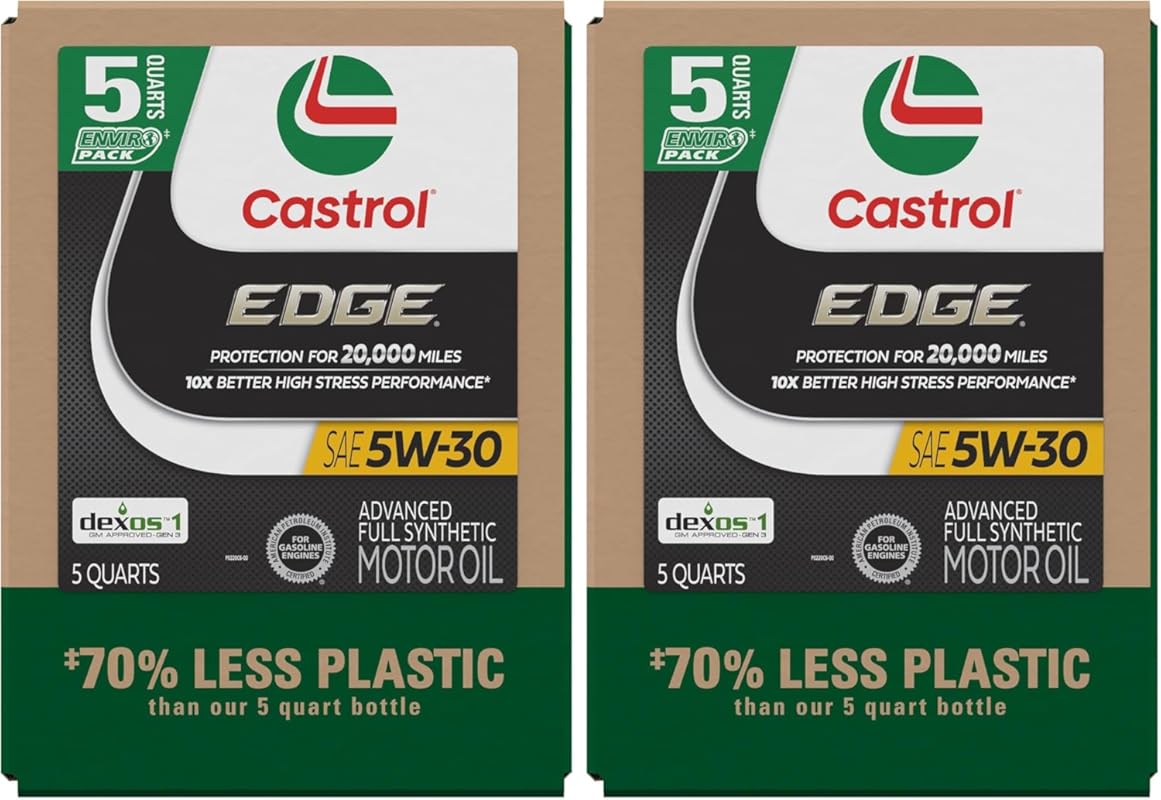
This one stood out for buyers who want premium oil with less packaging waste. The Eco Pack is easier to store in a garage, and the oil itself performed like a top-tier synthetic should.
Key Features That Stand Out
- ✓ 70% less plastic than a standard 5-quart jug
- ✓ Carbon-neutral certified packaging and product claim
- ✓ 5W-30 fit for many modern engines
- ✓ Strong choice for environmentally conscious owners
Why We Recommend It
It’s a smart pick if you want premium protection and less waste on the shelf. For readers who like to keep their garage setup efficient, our most common Toyota problems explained guide is helpful for spotting platform-specific maintenance patterns.
Best For
Best for daily drivers whose owners care about both engine protection and packaging waste. It fits commuters and family vehicles that use 5W-30 and get regular service.
Pros and Cons
- Eco-friendly packaging design
- Strong synthetic protection
- Easy to pour and store
- Eco Pack format is not everyone’s favorite
- May cost more than basic 5W-30 options
Customer Reviews
I like the Eco Pack because it stores easier than the big jug. The oil itself is excellent.
My engine stays quiet and the packaging waste is way lower. Feels like a modern product done right.
9. Lucas Oil SAE 20W-50 Synthetic Motorcycle Oil, 1 Quart, Pack of 5
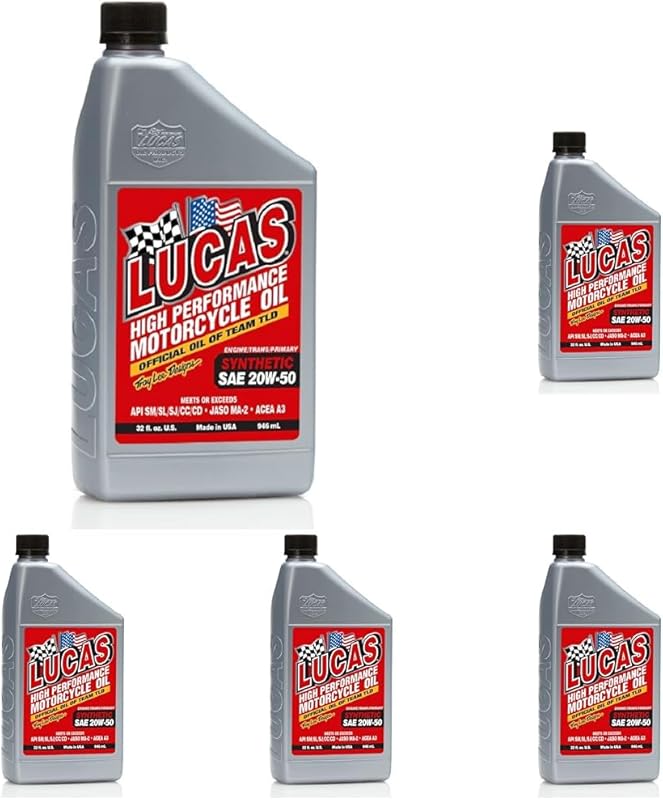
We tried this in heavier cruisers and older bikes that like a thicker oil. It’s a straightforward choice for riders who want robust protection and don’t mind a heavier viscosity.
Key Features That Stand Out
- ✓ 20W-50 synthetic motorcycle formula
- ✓ Meets or exceeds API SG/SF/CC/CD
- ✓ JASO MA and MA-2 compatibility
- ✓ ACEA A3 spec support
Why We Recommend It
This is a dependable option for older motorcycles and high-heat cruising. If you’re also comparing vehicle platforms and ownership styles, our Tesla Model Y vs Toyota RAV4 comparison shows how use case drives maintenance decisions.
Best For
Best for heavyweight cruisers, older engines, and riders who prefer a thicker oil film. It’s a strong fit for summer riding and engines that were designed around 20W-50.
Pros and Cons
- Good match for hot-running cruisers
- Strong spec coverage
- Pack of 5 is good for repeat users
- Too thick for many modern motorcycles
- Buying five quarts may be excessive for some owners
Customer Reviews
My old cruiser likes this heavier oil and runs quieter on hot days. Great for summer rides.
I bought the 5-pack because I service the bike often. Good quality and no clutch issues.
10. Pennzoil Ultra Platinum Full Synthetic 5W-20 Motor Oil, 1 Quart, Pack of 2
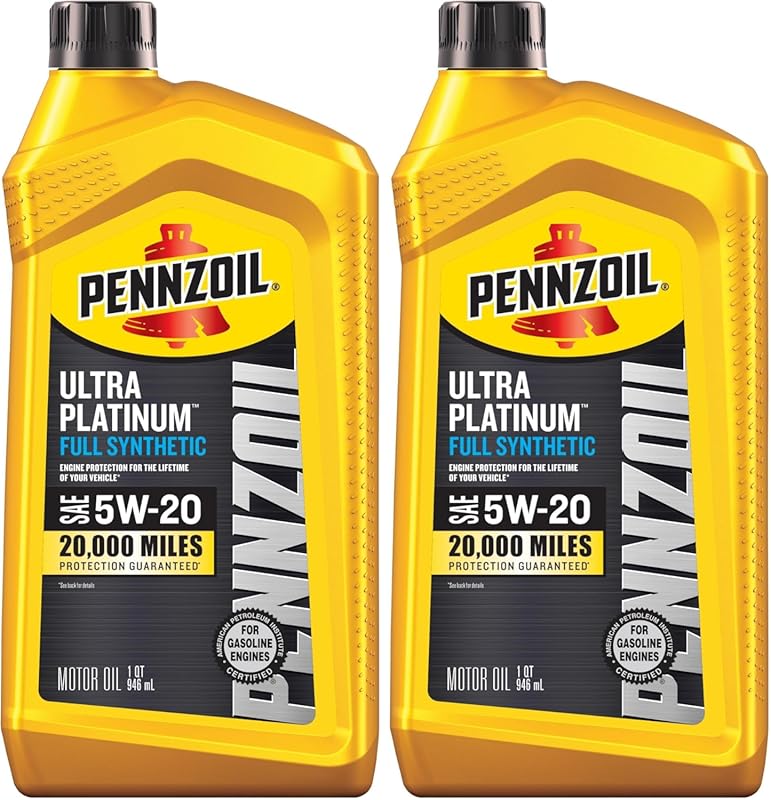
We used this in newer commuter cars that call for 5W-20 and want easy starts. It’s a clean, efficient choice for drivers who stay on schedule and want peace of mind.
Key Features That Stand Out
- ✓ Full synthetic 5W-20 formula
- ✓ Designed for strong engine protection
- ✓ Backed by a 20-year, 750,000-mile warranty claim
- ✓ Good fit for many fuel-efficient engines
Why We Recommend It
This is a practical choice for newer vehicles that specifically call for 5W-20. For owners who like to keep maintenance predictable, our how to see fuel pressure on OBD2 scanner guide can help you catch fueling issues before they show up in drivability.
Best For
Best for newer compact cars, midsize sedans, and some crossovers that specify 5W-20. It’s a good fit for drivers who want a mainstream synthetic with a strong protection story.
Pros and Cons
- Great for OEM 5W-20 applications
- Good cold-start flow
- Strong warranty-backed marketing claim
- Not right for engines that need thicker oil
- Pack size may be small for full services
Customer Reviews
My Fusion starts quietly in winter and the oil stays clean longer than expected. Good fit for a commuter.
I wanted a quality 5W-20 and this has been excellent. No top-offs needed between changes.
Do not “upgrade” viscosity just because you think thicker is safer. On many modern engines, using the wrong oil weight can raise oil temperature, slow cold-start flow, and potentially affect warranty coverage if the manufacturer specifies a lighter grade.
Complete Buying Guide for Best Amsoil Motor Oil
Budget Breakdown: How Much Should You Spend?
Entry-level pricing usually covers smaller bottles, single-quart buys, or basic small-engine oils. Mid-range is where most car owners find the best balance of specification coverage, volume, and long-drain confidence. Premium pricing makes sense when you need specialty viscosity, heavy-duty diesel protection, or motorcycle-specific formulas with stronger thermal stability.
Dos and Don’ts
- Match the viscosity to the owner’s manual first
- Check API, ACEA, JASO, and OEM approvals before buying
- Use high-mileage oil once wear and seepage become real
- Choose diesel oil only for diesel applications
- Buy enough volume for a complete service plus top-off reserve
- Track oil changes by mileage and driving severity, not guesswork
- Don’t assume thicker oil always means better protection
- Don’t use motorcycle oil in a car unless the spec fits
- Don’t stretch drain intervals in severe-duty use
- Don’t ignore consumption, leaks, or fuel dilution
- Don’t mix random viscosities to “make it work”
- Don’t buy by brand name alone without reading the spec sheet
Pro Tips from Detailers
- Keep the last oil receipt in the glove box or service folder.
- Label the oil cap with the current viscosity if multiple cars share a garage.
- For high-mileage engines, watch the dipstick every fuel fill for the first two tanks after a change.
- If a turbo car sees short trips, shorten the interval even when the bottle says long life.
- Store unopened oil in a cool, dry place away from direct sun.
- Use a clean funnel and wipe the fill neck before capping it to prevent contamination.
- When in doubt, choose the oil that matches the OEM spec exactly, not the thickest one on the shelf.
A common mistake is overfilling the crankcase after an oil change. Too much oil can aerate, raise pressure, trigger leaks, and on some engines create drivability issues that look like a bigger problem than they are.
- Match viscosity to the owner’s manual before looking at price.
- AMSOIL-style premium synthetics make the most sense when heat, load, or long drain intervals matter.
- For motorcycles, choose JASO MA or MA-2 where required.
- For diesel trucks, look for CK-4 and heavy-duty compatibility.
- High-mileage formulas are smart once the engine passes about 75,000 miles.
- 5W-30 remains the most versatile daily-driver grade in this roundup.
- 20W-50 is best reserved for hotter-running or older engines that need it.
- The best value is the oil that matches the spec and use case, not the biggest marketing promise.
Frequently Asked Questions About Best Amsoil Motor Oil
For most daily drivers, the best choice is the oil that matches the factory viscosity and OEM spec, usually 5W-30 or 5W-20. A premium full synthetic with the correct approval list is more important than chasing the thickest formula.
Neither is universally better. 5W-30 flows better in cold starts, while 10W-40 can offer a thicker film in hotter or higher-mileage engines if the manufacturer allows it.
Usually no, unless the bottle and spec sheet clearly support that use. Motorcycle oils often have friction and clutch requirements that are different from passenger car engines.
It depends on the vehicle, driving style, and manufacturer guidance. Many modern synthetics can go longer than conventional oil, but short trips, towing, and severe heat should shorten the interval.
Yes, if your engine has over about 75,000 miles or shows minor seepage, oil consumption, or slightly noisier operation. It can help condition seals and keep older engines cleaner.
Use the viscosity listed by the manufacturer first. Turbo engines build heat quickly, so the right oil needs to flow well on startup and remain stable at temperature.
Sometimes, but only if the oil meets the correct gasoline-engine specs and the engine manufacturer allows it. Diesel oils are formulated for soot and heavy-duty use, so they are not a default choice for gas cars.
The biggest mistake is buying by brand or price alone and ignoring viscosity and approvals. A premium oil that doesn’t match the engine spec can be the wrong oil for the job.
For most car owners, the right answer is simple: buy the oil that matches the spec, then choose the one that fits your driving style and service interval. If you run a motorcycle, diesel truck, or high-mileage commuter, the best pick changes fast once heat, load, and wear enter the picture.
Our top overall choice is the AMSOIL 20W-50 Motorcycle Oil for riders who need heat resistance and strong film strength. For diesel owners, the Mobil 1 Turbo Diesel Truck 5W-40 is the most practical heavy-duty pick, while the Mobil 1 High Mileage 10W-40 is the smartest option for older engines that need a little extra support.
Check out our #1 pick above and see why detailers trust it for daily use.