Are Car Seat Covers Machine Washable Find Out Now

Wondering if your car seat covers are machine washable? This guide breaks down everything you need to know—from checking fabric labels to safe washing techniques. Keep your car seats clean, fresh, and long-lasting with expert tips.
Quick Answers to Common Questions
Tip/Question?
Can I wash leather car seat covers in the machine?
No—leather and faux leather should never be machine washed. Use a damp cloth and leather cleaner instead to avoid cracking or peeling.
Tip/Question?
What’s the best detergent for car seat covers?
Use a mild, fragrance-free detergent. Avoid bleach and fabric softeners, which can damage fabrics and reduce water resistance.
Tip/Question?
How do I remove pet hair before washing?
Use a lint roller, rubber glove, or vacuum with a brush attachment to remove loose hair before tossing covers in the wash.
Tip/Question?
Can I wash seat covers with the seats still in the car?
No—always remove covers before washing. Washing them on the seat can damage both the cover and your car’s upholstery.
Tip/Question?
Is it okay to wash seat covers in hot water?
Only if the care label allows it. Cold water is safer for most fabrics and helps prevent shrinking and fading.
Are Car Seat Covers Machine Washable? Find Out Now
If you’ve ever spilled coffee, tracked mud, or dealt with pet hair on your car seats, you’ve probably asked: Are car seat covers machine washable? The short answer? It depends. While many modern car seat covers are designed for easy cleaning, not all of them can safely go in the washing machine. In this complete guide, we’ll walk you through how to determine if your seat covers are machine washable, how to clean them properly, and how to maintain them for long-term use. Whether you’ve got fabric, neoprene, leather, or custom-fit covers, we’ve got you covered—literally.
Why Cleaning Car Seat Covers Matters
Car seat covers do more than just protect your seats—they also impact air quality, comfort, and hygiene. Over time, dirt, sweat, food crumbs, and pet dander build up, creating an environment for bacteria and odors. Regular cleaning not only keeps your car smelling fresh but also extends the life of both your seat covers and your original upholstery. Plus, clean seats just feel better to sit on!

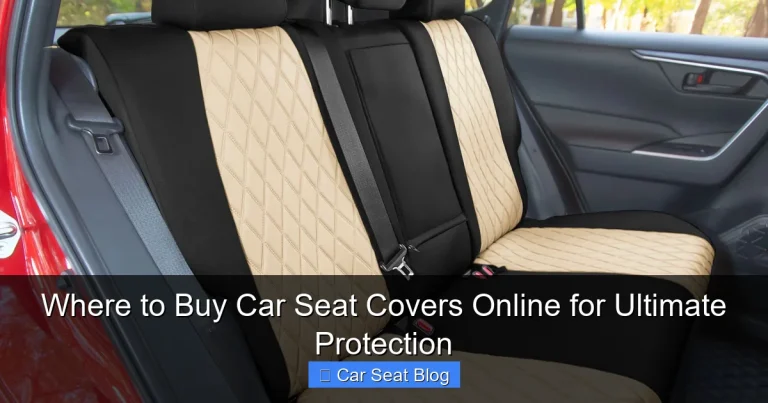
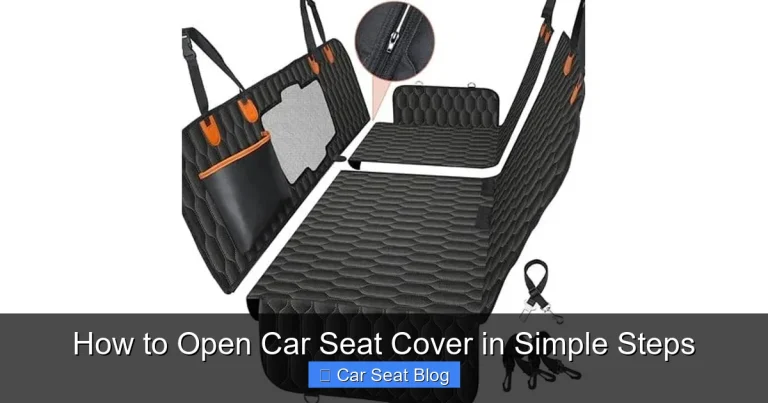
Visual guide about Are Car Seat Covers Machine Washable Find Out Now
Image source: coveradvice.com
Step 1: Check the Manufacturer’s Care Label
Before you toss your seat covers into the washing machine, the first and most important step is to check the care label. This small tag—usually sewn into the seam or underside of the cover—contains vital information about washing, drying, and ironing.
What to Look For
- Washing symbols: A tub with water indicates machine washability. A hand in the tub means hand wash only.
- Temperature guidelines: Look for numbers like 30°C (86°F) or 40°C (104°F)—these tell you the maximum water temperature.
- Drying instructions: A circle in a square means tumble dry. A flat line means air dry flat.
- Do not bleach or iron: Some symbols warn against harsh chemicals or heat.
If there’s no label, check the product manual or the manufacturer’s website. When in doubt, assume the cover is not machine washable unless confirmed otherwise.
Step 2: Identify Your Seat Cover Material
Different materials require different care. Here’s a quick breakdown of common car seat cover fabrics and their washing needs:
Fabric (Polyester, Cotton, Blends)
Most standard fabric seat covers are machine washable. These are typically made from durable polyester or cotton blends and are designed for easy cleaning. Look for terms like “washable,” “stain-resistant,” or “easy-care” in the product description.
Neoprene (Waterproof Covers)
Popular for their waterproof and spill-proof qualities, neoprene covers (like those from brands like Coverking or FH Group) are often machine washable—but only on a gentle cycle with cold water. Avoid fabric softeners, as they can break down the material over time.
Leather or Faux Leather
Real and synthetic leather covers should never go in the washing machine. These materials can crack, peel, or warp when exposed to water and agitation. Instead, clean with a damp cloth and leather-safe conditioner.
Velvet or Microfiber
These soft, plush materials can be machine washed, but only on a delicate cycle. Use a mild detergent and avoid high heat. Air drying is strongly recommended to prevent pilling or matting.
Custom or Embroidered Covers
Covers with decorative stitching, logos, or special finishes may have delicate elements that can’t withstand machine washing. Hand washing or spot cleaning is usually safer.
Step 3: Remove the Seat Covers Properly
Before washing, you’ll need to take the covers off your car seats. This prevents damage to your vehicle’s interior and ensures a thorough clean.
How to Remove Covers Safely
- Unclip or unzip: Most covers attach with hooks, straps, or zippers. Gently release these without forcing them.
- Roll, don’t pull: If the cover is tight, roll it from the bottom up to avoid tearing seams.
- Label parts: Use tape or a marker to label each cover (e.g., “driver front,” “passenger rear”) so you can reinstall them correctly.
- Inspect for damage: Check for loose threads, broken clips, or worn areas that might worsen in the wash.
Tip: Take a photo of how the covers are installed before removing them. This makes reinstallation much easier!
Step 4: Pre-Treat Stains and Odors
For best results, treat stains before machine washing. The longer a stain sits, the harder it is to remove.
Stain Removal Tips
- Food and drink spills: Blot (don’t rub) with a clean cloth and mild soap. Rinse with a damp cloth.
- Pet accidents: Use an enzyme-based cleaner to break down urine and odors.
- Mud or dirt: Let it dry, then brush off loose particles before washing.
- Grease or oil: Sprinkle baking soda or cornstarch to absorb the oil, then vacuum before washing.
For odors, sprinkle baking soda on the cover, let it sit for 15–30 minutes, then vacuum. This neutralizes smells naturally.
Step 5: Machine Washing Your Seat Covers
Now that your covers are pre-treated and ready, it’s time to wash. Follow these steps for a safe and effective clean.
Washing Machine Settings
- Use a gentle or delicate cycle: This reduces wear and tear on the fabric.
- Wash in cold water: Hot water can shrink fabrics or fade colors.
- Use mild detergent: Avoid bleach, fabric softeners, or strong detergents—they can damage fibers.
- Wash alone or with similar items: Don’t overload the machine. Washing with heavy items like jeans can cause abrasion.
- Add a rinse cycle: This ensures all detergent is removed, preventing residue buildup.
Pro tip: Place the covers in a mesh laundry bag for extra protection, especially if they have straps or zippers.
Step 6: Drying Your Seat Covers
Drying is just as important as washing. Improper drying can ruin your covers.
Air Drying (Recommended)
Lay the covers flat on a clean towel or hang them up to dry. Avoid direct sunlight, which can fade colors. Flip them halfway through to ensure even drying.
Tumble Drying (Use with Caution)
Only use a dryer if the care label allows it. Set it to low heat or air dry mode. Remove covers while slightly damp to prevent over-drying, which can cause stiffness or shrinkage.
Never use high heat on neoprene, velvet, or elastic materials—it can melt or warp them.
Step 7: Reinstalling Your Seat Covers
Once your covers are clean and completely dry, it’s time to put them back.
Reinstallation Tips
- Start with the backrest: Slide the cover over the seat back first, then work your way down.
- Secure all straps and clips: Make sure everything is fastened tightly to prevent slipping.
- Smooth out wrinkles: A flat, snug fit looks better and feels more comfortable.
- Test the fit: Sit in the seat to ensure the cover doesn’t bunch or slide.
If the cover feels loose after washing, it may have shrunk slightly. In that case, consider replacing it or using a fabric stretcher spray.
Troubleshooting Common Issues
Even with careful washing, problems can occur. Here’s how to fix them:
Cover Shrunk After Washing
This usually happens if hot water or high heat was used. Try stretching the cover gently while it’s still slightly damp. If it doesn’t fit, you may need a new one.
Fading or Color Bleeding
Caused by harsh detergents or hot water. Always use cold water and color-safe detergent. Wash dark and light covers separately.
Odors Persist After Washing
Soak the covers in a mixture of water and white vinegar (1:1 ratio) for 30 minutes before washing. Vinegar neutralizes odors naturally.
Zippers or Straps Damaged
Check for wear before washing. If damaged, repair or replace before reinstalling to avoid further issues.
How Often Should You Wash Car Seat Covers?
For most drivers, washing every 4 to 6 weeks is sufficient. However, adjust based on usage:
- Daily drivers or families: Wash every 2–3 weeks.
- Pet owners: Wash every 2 weeks or after accidents.
- Occasional use: Every 6–8 weeks is fine.
- Seasonal changes: Clean before winter and summer to remove salt, sand, or sweat buildup.
Regular cleaning prevents deep stains and keeps your car feeling fresh year-round.
🎥 Related Video: Washable Britax Car Seat Covers: Safety that naturally holds up in the wash!
📺 Britax Child Safety, Inc
The SafeWash by Britax car seat cover fabric is safe to machine wash and dry. Why? Because unlike other car seats that use …
Final Thoughts
So, are car seat covers machine washable? The answer is: many are—but not all. By checking the care label, identifying the material, and following proper washing and drying techniques, you can keep your seat covers looking and smelling great for years. Whether you’re dealing with everyday dirt or a stubborn stain, a little care goes a long way. Remember: when in doubt, hand wash or consult the manufacturer. Your car—and your passengers—will thank you.