How to Follow a Detailing Checklist Safely and Effectively

Follow a detailing checklist by starting with safety prep, cleaning the dirtiest areas first, and using the least aggressive method that still works. Ask a professional when the job involves paint correction, odor treatment, coatings, or surfaces you are unsure how to clean safely.
Following a detailing checklist is one of the safest ways to clean a vehicle well without wasting time or creating avoidable damage. The key is to work in the right order, use the right products for each surface, and slow down when a task involves chemicals, heat, pressure, or delicate finishes.
- Prep first: Set up a safe workspace and wear basic PPE.
- Work in order: Dirty areas first, delicate surfaces last.
- Use caution: Respect dilution, dwell time, heat, and pressure.
- Stay gentle: Light pressure and clean towels reduce damage.
- Know the limit: Complex jobs may need professional help.
- How to Follow a Detailing Checklist Safely and Effectively: What This Guide Covers
- Why a Detailing Checklist Matters for Safety, Finish Quality, and Time Management
- Preparing Your Detailing Area, Tools, and Protective Gear Before You Start
- Step-by-Step Detailing Checklist: Safe Order of Operations for Exterior Care
- Interior Detailing Checklist: Safe Cleaning for Seats, Screens, Vents, and Carpets
- Common Detailing Mistakes That Can Damage Paint, Trim, or Your Health
- When to Use Professional Help, Specialized Equipment, or Higher-Cost Products
- Final Recap: A Safe Detailing Routine That Protects the Vehicle and the Detailer
How to Follow a Detailing Checklist Safely and Effectively: What This Guide Covers
This guide explains how to follow a detailing checklist safely from start to finish, with a focus on protecting both the vehicle and the person doing the work. It covers setup, exterior and interior order of operations, common mistakes, and when a job is better left to a professional.
Detailing can look simple on paper, but the details matter. A checklist helps you avoid cross-contamination, reduce swirl marks, and keep stronger chemicals or machines from being used in the wrong place.
Why a Detailing Checklist Matters for Safety, Finish Quality, and Time Management
A good checklist is more than a reminder list. It helps you move from the dirtiest parts of the car to the cleanest, which lowers the chance of dragging grit across paint, trim, or upholstery.
It also reduces decision fatigue. Instead of guessing what to do next, you follow a sequence that keeps the work organized and helps you spot steps that need extra care, such as wheel cleaning, engine-bay cleaning, or polishing.
From a safety standpoint, the checklist makes it easier to notice when you need gloves, eye protection, ventilation, or a break. That matters because detailing products vary widely, and some are much harsher than they look.
If you are still building your wash routine, it can help to compare it with a weekly wash routine checklist so your maintenance steps stay consistent between full details.
Preparing Your Detailing Area, Tools, and Protective Gear Before You Start
Preparation is where many safe detailing jobs succeed or fail. Before touching the vehicle, gather the products, towels, brushes, buckets, and machines you will need so you are not walking away mid-task with wet surfaces or active chemicals on the paint.
Check product labels and dilution instructions before mixing anything. If a product is not clearly labeled for the surface you plan to clean, do a small spot test first when possible.
Choosing a safe workspace: driveway, garage, or coin-op wash bay
A driveway can work if it is level, shaded when possible, and away from traffic. A garage is often better for controlled lighting and less direct sun, but you still need airflow, especially when using sprays, dressings, or interior cleaners.
A coin-op wash bay can be a smart choice for pressure rinsing and removing heavy dirt, but it may limit how long you can stay there. Make sure you can safely move buckets, towels, and chemicals without blocking other users or creating a slipping hazard.
Never detail in a space where water can pool around extension cords, power tools, or charging equipment. Slips and electrical hazards are easy to overlook when you are focused on the finish.
Essential PPE for detailing chemicals, pressure washing, and machine polishing
At minimum, consider nitrile gloves for chemicals, eye protection for sprays and rinsing, and closed-toe shoes with decent traction. If you are working with stronger cleaners, an interior extractor, or a machine polisher, PPE becomes even more important.
Machine polishing can create dust and splatter, while pressure washing can bounce debris back toward your face. Hearing protection may also be worth using in enclosed spaces with loud equipment.
Keep a dedicated “dirty” pair of gloves or towels for wheel work and a separate clean set for paint and interior surfaces. That one habit prevents a lot of accidental contamination.
Step-by-Step Detailing Checklist: Safe Order of Operations for Exterior Care
The safest exterior workflow usually starts with the most contaminated areas and ends with the most delicate finish steps. That means wheels, tires, and lower panels first, then the wash, then drying, and only after that any clay, polish, or protection.
If you want a broader washing framework, a hand washing car safely approach fits well with a checklist because it emphasizes controlled contact and less chance of scratching.
Pre-rinse and wheel cleaning without cross-contamination
Start by rinsing loose dirt from the vehicle, especially the lower panels and wheel wells. This reduces the amount of grit you will drag into later steps.
Wheels and tires should usually be cleaned before paint because they are the dirtiest areas. Use separate brushes, mitts, and buckets if possible, and do not bring wheel tools back to paint surfaces.
- Rinse loose dirt from top to bottom
- Use separate wheel tools
- Keep wheel cleaner off hot brakes when possible
- Work one section at a time
If you are using stronger wheel cleaners, avoid spraying them into the wind or onto already cleaned panels. Let the product dwell only for the time listed by the manufacturer, then rinse fully before it dries.
Foam, wash, and dry techniques that reduce swirl marks
Foam can help loosen dirt, but it is not a substitute for proper washing technique. The safest approach is still a gentle wash mitt, plenty of lubrication, and light pressure.
Work from top to bottom and rinse the mitt often. If you drop a mitt or towel, replace it rather than reusing it on paint.
Microfiber towels and wash mitts are not all equal. Rough or low-quality materials can leave lint, drag grit, or feel soft while still being too abrasive for sensitive paint.
Drying matters too. Use a clean drying towel or blower, and avoid rubbing hard on the surface. The less pressure you use, the less chance you have of creating marring on soft clear coat.
Clay, polish, and sealant application with controlled pressure and speed
Clay should only be used after the surface is washed and rinsed well. If you clay over heavy dirt, you can grind contamination into the finish and create more defects than you remove.
When claying, use plenty of lubricant and very light pressure. If the panel feels rough, work slowly; if it feels sticky or dry, stop and add more lubricant rather than forcing the clay across the paint.
Polishing adds another layer of risk because machine speed, pad choice, and pressure all affect the result. Start with the least aggressive combination that can do the job, and test on a small area before moving across the entire vehicle.
Sealant or wax should go on only after the paint is clean and fully prepared. Apply thin, even layers; more product does not usually mean better protection.
For readers comparing paint-protection options, our ceramic coating vs wax guide can help you decide whether a simple topper or a longer-lasting protection step makes more sense for your situation.
Interior Detailing Checklist: Safe Cleaning for Seats, Screens, Vents, and Carpets
Interior detailing is where safety often gets overlooked because the work feels less aggressive than exterior washing. In reality, cabins contain electronics, sensitive trim, airbags, sensors, and materials that can stain or deform if over-wet.
A safe interior checklist starts with dry debris removal, then light cleaning, then targeted moisture use only where needed. That sequence keeps liquid away from places it does not belong.
Handling electronics, leather, and delicate trim with the right products
For screens, buttons, and instrument clusters, use a product that is clearly safe for electronics or use a lightly damp microfiber towel if the manufacturer recommends that approach. Avoid spraying directly onto controls or display surfaces.
Leather and vinyl often need different care depending on the finish and condition. Some interiors tolerate gentle cleaners well, while others are more sensitive and may need a pH-balanced product or a very light application.
Trim can be especially tricky. Piano black surfaces, matte plastics, and soft-touch coatings can show scratches or residue easily, so use the least aggressive towel and brush that can still do the job.
Do not soak screens, switch panels, seat controls, or stitched leather seams. Liquid intrusion can cause electrical issues, staining, or long drying times that are hard to reverse.
Vacuuming, extraction, and deodorizing without over-wetting surfaces
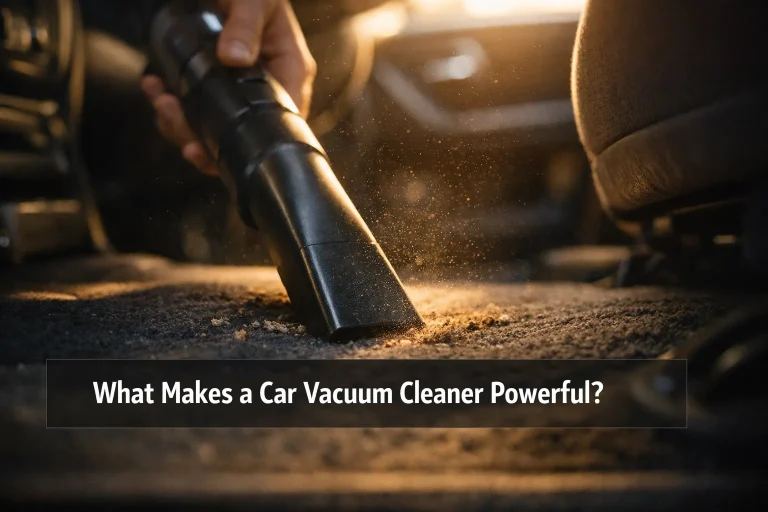
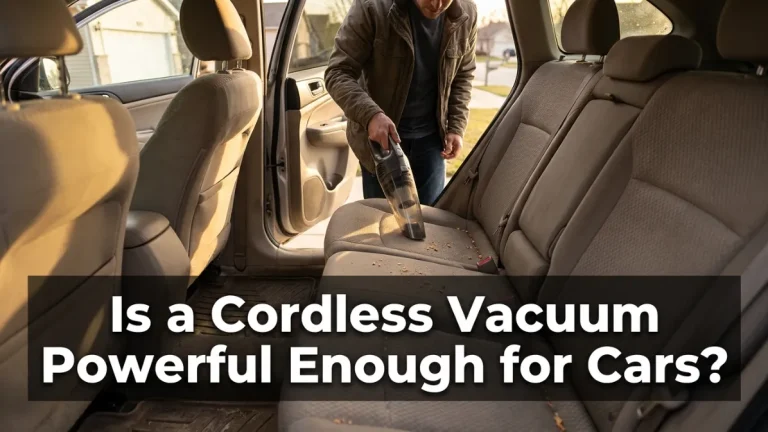
Vacuum first to remove loose grit from carpets, mats, seat tracks, and crevices. That lowers the chance of grinding dirt deeper into fibers when you later use brushes or extractors.
If you use an extractor, apply only as much moisture as needed and make sure the fabric can dry properly. Over-wetting can leave odors behind, slow drying, or create water spots in hidden areas.
Deodorizing products should be used carefully. They can mask a problem temporarily, but they will not fix mold, mildew, or a source of odor such as a spill under the seat or a clogged drain path.
Before using any odor product, remove the source of the smell if possible. Cleaning the cause is usually more effective than layering fragrances over it.
If you are cleaning seat materials and want a more surface-specific approach, it may help to review a guide on whether a car vacuum can clean leather seats safely, especially if you are deciding how much suction and contact is appropriate.
Common Detailing Mistakes That Can Damage Paint, Trim, or Your Health
Most detailing damage comes from rushing, using the wrong product, or assuming one cleaner fits every surface. A checklist helps, but only if you follow the safety logic behind it.
When something seems off, stop and inspect the surface before continuing. A few extra minutes can prevent a costly correction later.
Mixing chemicals, using the wrong dilution, and ignoring dwell times
Never mix products unless the label clearly says it is safe. Combining cleaners can create fumes, reduce performance, or leave residues that are difficult to remove.
Wrong dilution is another common issue. Too strong can stain trim or irritate skin, while too weak may not clean effectively and can encourage over-scrubbing.
Dwell time matters as well. If a cleaner is meant to sit briefly before rinsing, leaving it on too long can etch, dry out, or discolor certain materials.
When product directions conflict with internet advice, follow the manufacturer label first. Vehicle materials and chemical formulas vary too much for one universal rule.
Working in direct sun or on hot panels
Direct sun speeds up drying, which can leave water spots, streaks, and dried chemical residue. Hot paint can also make some products harder to wipe off cleanly.
If you must work outside, try to move the car into shade or detail one small section at a time. Cooler panels give you more control and reduce the chance of product flash-drying before you can remove it.
Hot wheels, exhaust tips, and brakes are also worth respecting. Some cleaners are not meant for hot surfaces, and quick evaporation can reduce cleaning performance or create visible spotting.
Overusing brushes, towels, or machine polishers
More agitation is not always better. Aggressive brushes can haze soft trim, overused towels can trap grit, and heavy machine polishing can remove too much clear coat if the process is not controlled.
That is why the safest checklist usually begins with the least aggressive method. Only increase pressure, speed, or product strength when the surface actually needs it.
If your paint already has heavy swirls, oxidation, or scratches, a simple wash-and-wax routine may not solve the problem. In that case, a professional paint evaluation is often the safer path.
When to Use Professional Help, Specialized Equipment, or Higher-Cost Products
DIY detailing is a good fit for routine maintenance, light contamination, and careful cosmetic cleaning. It becomes less practical when the vehicle needs correction, restoration, or treatment that depends on expensive equipment and experience.
As a rule, ask for help when the risk of damage is higher than the cost of a consultation or a pro service. That is especially true for newer finishes, luxury interiors, or vehicles with expensive trim and electronics.
Comparing DIY checklist costs vs. professional detailing for complex jobs
DIY can be cost-effective if you already own basic supplies and only need to maintain the car. But once you start buying specialty pads, extractors, polishers, coatings, and multiple cleaners, the total can climb quickly depending on product quality and how often you detail.
Professional detailing may cost more upfront, but it can make sense for stubborn contamination, paint defects, or interior work that would take a beginner many hours. The better choice depends on your time, confidence, and the vehicle’s condition.
Prices vary widely by location, vehicle size, contamination level, and the services included. Compare the full job scope, not just the headline price.
Situations that call for paint correction, ozone treatment, or ceramic coating support
Paint correction is worth considering when the finish has visible swirls, scratches, or oxidation that normal washing will not fix. Because polishing removes a small amount of clear coat, it is worth doing carefully and not repeatedly without need.
Ozone treatment may be used for persistent odors, but it should be handled with caution and according to equipment guidance. If you are unsure about safe use, ask a professional rather than experimenting in a closed cabin.
Ceramic coating support can also be a good reason to go pro, especially if the paint needs prep work first. A coating is only as good as the surface underneath it, so poor prep can waste both time and money.
For readers who want a longer-term protection plan after detailing, our ceramic coating maintenance guide is useful for understanding what upkeep looks like after the initial application.
Final Recap: A Safe Detailing Routine That Protects the Vehicle and the Detailer
How to Follow a Detailing Checklist Safely comes down to three habits: prepare properly, work in the right order, and respect the limits of each surface and product. Those habits protect the finish, reduce wasted effort, and lower the chance of injury or damage.
Keep dirty work separate from clean work, use protective gear when chemicals or machines are involved, and slow down when a step involves heat, pressure, or delicate materials. If a task feels uncertain, that is usually the moment to stop and ask a professional.
Frequently Asked Questions
A proper order helps prevent cross-contamination, reduces swirl marks, and keeps you from using the wrong tool on the wrong surface. It also makes the job faster and easier to manage.
Basic gear includes gloves, eye protection, and closed-toe shoes. If you use stronger chemicals, pressure washers, or polishers, add more protection as needed.
Ask for professional help when the job involves paint correction, heavy odor removal, ceramic coating prep, or surfaces you are not comfortable cleaning. It is also wise to get help when the risk of damage is higher than the cost of service.