
Our readers keep the lights on and my garage snacks stocked. As an Amazon Associate, I earn from qualifying purchases.
Specs are compiled from manufacturer listings and verified buyer reviews and can change over time — please confirm the key details on the product page before buying.
You need a flex pipe that won’t rust through after one season, and the metal you pick decides that. Galvanized steel works for light-duty and budget builds, while T304 stainless steel resists rust for years under a daily driver or a generator that runs all season. This guide lines up six proven 1.5-inch pipes and breaks down which metal, which length, and which brand fits your exact wrench turn.
I’m Min Islam — the founder and writer behind Trending Car. This guide is built by comparing the manufacturers’ published specifications and the patterns across verified customer reviews, so you get each pick’s real strengths and trade-offs instead of marketing spin.
Matching the right alloy and length to your exhaust layout saves you a second trip under the car, and these six options represent the most reliable choices for anyone searching for the 1 1 2 exhaust flex pipe that will actually hold up over time.
Our Picks at a Glance
How To Choose The Best 1 1/2 Exhaust Flex Pipe
A flex pipe absorbs engine vibration and thermal expansion so your exhaust system doesn’t crack at the welds. For a 1.5-inch inner diameter system, the choice mainly depends on three factors — material, length, and installation method.
Material — Stainless Steel vs Galvanized Steel
Stainless steel, especially T304 grade, resists corrosion almost completely. It handles rain, road salt, and high heat without flaking. Galvanized steel costs less but will develop surface rust over time, especially if you live in a wet region or drive through winter slush. If you plan to keep the vehicle or generator for years, stainless is worth the extra money.
Length — Long Run vs Short Patch
A 6-foot pipe lets you route exhaust to a remote location — like pushing generator fumes out of a shed or repositioning a tailpipe on a truck. A 22-inch or 18-inch section is better for a direct repair between the manifold and the catalytic converter where you only need to bridge a small gap. Measure your exact space before you buy.
Installation — Weld, Clamp, or Slip-On
Some pipes are built for welding into the system, others accept a standard U-bolt clamp, and a few simply slide over an existing pipe. Check whether your pipe needs to be trimmed to length — stainless steel is noticeably harder to cut than galvanized, so a hacksaw with a fresh blade or a cutoff wheel is recommended.
Quick Comparison
| Model | Best For | Material | Length | Weight | Amazon |
|---|---|---|---|---|---|
| FORTLUFT 72″ Galv.★ Best Overall | Long Reach Genny | Alloy Steel | 72 Inches | 3.2 Pounds | Amazon |
| Universal T304 72″Also Great | Best Overall | T304 Stainless | 72 Inches | Not listed | Amazon |
| 1.5″ T304 22.5″ | Premium Short Fix | T304 Stainless | 22.5 Inches | Not listed | Amazon |
| Walker 46971 6′ Galv. | Best Value Long | Galvanized Steel | 72 Inches | 1.5 Pounds | Amazon |
| Walker 36319 18″ | Budget Repair | Alloy Steel | 18 Inches | 0.5 Pounds | Amazon |
| FIZZBOP 1.5″x72″ | Premium Heavy Duty | Stainless Steel | 72 Inches | Not listed | Amazon |
In‑Depth Reviews
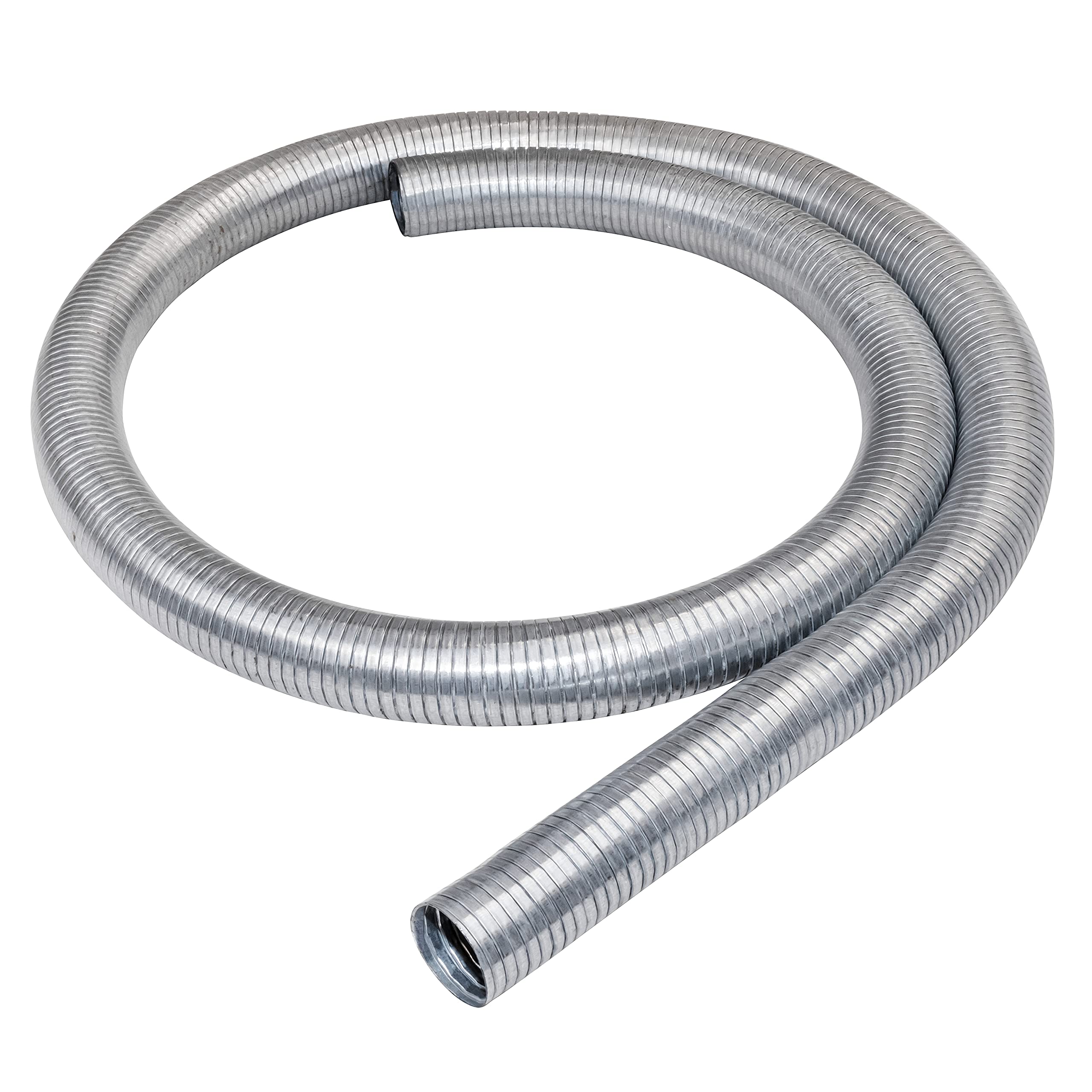
1. FORTLUFT Exhaust Flex Tube 1.5″ x 72″ Galvanized
Our pick — 4.5★ from 350+ verified ratings; the strongest balance of quality and price.
The heavy-duty galvanized 72-inch tube that coils up for storage and snakes exhaust 12 feet from an RV.
This FORTLUFT pipe is the workhorse of the generator crowd — it is built from thicker alloy steel (3.2 pounds compared to the Walker 46971 at 1.5 pounds) and shows up in buyer setups that run 12-foot exhaust routes using two connected sections. The galvanized coating offers some rust protection, and owners note it bends around 90-degree turns without kinking, making it a strong choice for routing generator exhaust out of a truck bed or under an RV. The flexibility rating of 9 in buyer mentions backs up the claim that it handles tight bends well.
The durability score sits at 6 and gets a MIXED tag in the data for a reason — the pipe will “change color in the heat the first time I used it” and “rusted a bit in the rain,” in the words of a buyer using it for a generator housing. Functionality (13) and quality (12) are the top positive mentions. It works perfectly for the job, but the galvanized outer layer will show surface oxidation over time. For a generator that runs intermittently, this is cosmetic. For a daily-driven vehicle in a wet region, it is a sign to step up to stainless.
What owners love: The thick wall and 72-inch length let you route exhaust wherever you need it, and the price per foot is notably lower than the premium stainless options.
The honest trade-off: Galvanized steel will rust on the surface after rain and heat exposure — wrap it in header wrap or plan for cosmetic wear if used outdoors.
Reach for this if: you are building a generator exhaust extension or a temporary vehicle repair and want the longest length at the lowest weight-to-price ratio.
Choose differently if: the exhaust lives in a permanently wet or salty environment — the T304 stainless pipes in this list cost more but will not rust.
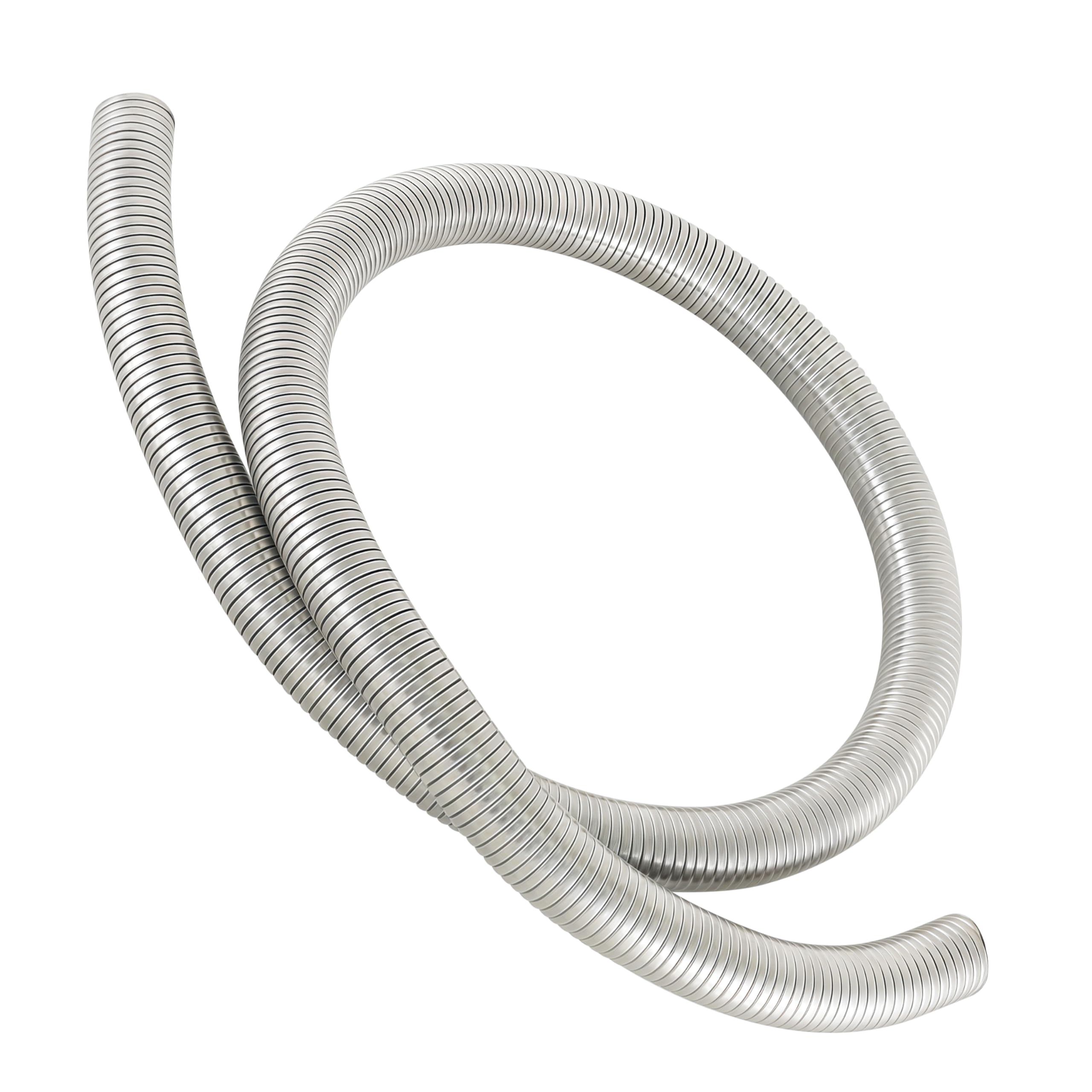
2. Universal T304 Stainless Steel Exhaust Flex Pipe 72″
The stainless steel six-footer that handles generator sheds, semi trucks, and daily drivers without flinching.
This is the 1.5-inch pipe that keeps coming up in real-world use for good reason — T304 stainless construction shrugs off corrosion that would eat a galvanized pipe within a season. At 72 inches long, it gives you enough material to route exhaust from a portable Generac generator out through a shed wall, or to snake a line under a semi from an auxiliary power unit. The single-roll band construction keeps it flexible enough for tight routing while staying rigid enough to hold its shape once clamped.
Quality takes the top spot in buyer feedback, with 16 mentions, followed closely by functionality at 14. One frequent setup involves matching this pipe to a Generac muffler — it slides right on. A few owners find the ID slightly tight against a 1.5-inch OD flange and reach for an exhaust pipe expander, but they report that once expanded it works without issue. The steel resists rust in a way that noticeably outperforms the galvanized options at a similar price point.
Where it shines: The corrosion resistance of T304 stainless combined with a full 6-foot working length makes this the pick that lasts seasons, not months.
One honest fit note: The ID can measure snug on some 1.5-inch male flanges — a pipe expander is a smart backup if you are connecting to a tight factory pipe.
Reach for this if: you need a long, rust-proof run for a generator, semi APU, or any exhaust that lives in wet conditions.
Look elsewhere if: you are patching a short 12-18 inch gap — this gives you far more pipe than you need for a quick repair.
3. TORDXICS 1.5″ T304 Stainless Exhaust Flex Pipe 22.5″
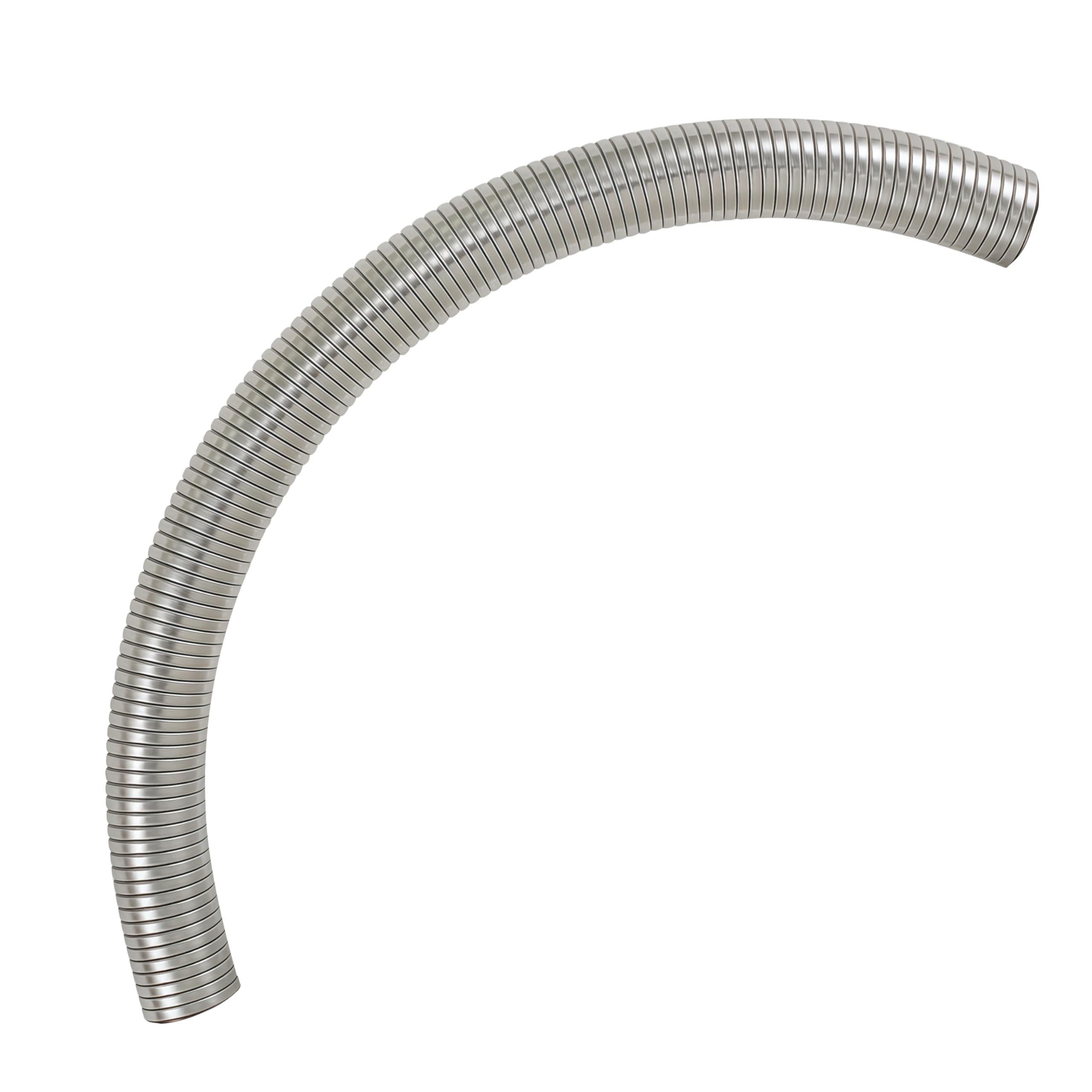
The precise 22-inch patch in full stainless for tight repairs around the manifold or cat.
At 22.5 inches, this T304 stainless section is built for the buyer who needs a focused repair rather than a long run. It is pre-cut and ready to weld or clamp, and the stainless construction means it will not develop the surface rust that alloy steel pipes show after a few wet months. Several buyers report using it as an exhaust extension on generators, while others patched a 2-1/4-inch system after catalytic converter theft by stretching or expanding the pipe to fit a slightly larger diameter.
Fit and ease of installation get consistent praise from owners. The shorter length cuts down on wrestling with a long coil under the car, and the stainless bands remain flexible enough to navigate a small offset. The one recurring practical tip from buyers is that cutting stainless with a hacksaw takes more effort than cutting galvanized — a fresh blade and slow strokes save frustration.
Why it works: T304 stainless at a short length means zero rust worry for a replacement section that lives inches from the manifold or muffler.
The trade-off: At 22.5 inches you cannot bridge a long gap — measure first to confirm this is enough pipe for your run.
Best for: generator exhaust extensions and short manifold-to-cat repairs where you want the rust resistance of T304 without buying a 6-foot coil.
Not for: routing exhaust through a wall or under a truck bed — you will need the 72-inch version for those layouts.
4. Walker 46971 Universal Exhaust Flex Pipe 1.5″ x 6′

The Walker name with Flex-Lock construction that bends and seals without leaking.
This Walker pipe is among the most-reviewed options for the 1.5-inch size, and the reason is simple — it combines universal fit, galvanized corrosion resistance, and a flexible single-roll band design at a price that undercuts many stainless competitors. The “Flex-Lock” construction helps the pipe hold its shape under vibration without developing pinhole leaks at the crimps. At 1.5 pounds it is notably lighter than the FORTLUFT pipe, making it easier to position and clamp in tight spaces.
Quality (38 mentions) and functionality (37 mentions) dominate the buyer feedback — owners consistently trust the Walker brand for generator exhaust routing and tractor repairs. A common complaint, however, is the actual delivered length: several owners measured the pipe at 57 to 67 inches when fully stretched, rather than the advertised 6 feet. For short patch repairs of 12-15 inches this is irrelevant, but if you need a true 72-inch continuous run, measure before you cut.
Great value because: Walker’s galvanized flex-lock tube delivers proven durability at roughly half the cost of a T304 stainless pipe of the same length.
The honest miss: The 6-foot label is optimistic — expect 57-67 inches of usable pipe, so plan for a slightly shorter final run.
Reach for this if: you want a reliable, well-known brand for a generator exhaust extension or a mid-length repair where absolute full 6-foot length isn’t critical.
Think twice if: your layout needs every inch of a true 72 inches — the stainless options in this list deliver that spec exactly.
5. Walker 36319 Universal Flex Pipe 1.5″ x 18″

A short, light 18-inch section that is the go-to for RV furnaces, lawn tractors, and quick generator vents.
At half a pound and just 18 inches long, this Walker flex pipe is the lightest and shortest option in the lineup — 6.4 times lighter than the FORTLUFT 72-inch galvanized pipe. It is built from alloy steel rather than stainless, which keeps the price entry-level. The trade-off is clear in the buyer feedback: it performs well for repairs like extending generator exhaust out of a shed or fixing a brown-spot issue on a John Deere riding mower, but the alloy steel will start to show rust after a few wet months, as owners mention it rusting “fairly quick.”
Functionality (16 mentions) leads the positive feedback, with the included U-bolt clamp making installation straightforward for most vehicle types. Fit scores 9 mentions and installation scores 8. The hose is stiff enough to hold its position once bent but flexible enough to route around a muffler or frame rail. The downside note from owners: after about a year in service the pipe can become brittle, especially if it takes a hard impact like bottoming out on a pothole.
Why you would pick this: You need the shortest, cheapest, lightest flex pipe for a one-season repair or a generator exhaust extension where rust is not a primary concern.
The catch: Rust starts fairly fast and the pipe becomes brittle over a year of heat cycles — treat it as a serviceable consumable, not a lifetime part.
Best for: an RV furnace exhaust repair, a lawn tractor mod, or a generator vent where you can hide the pipe behind wrap and replace it seasonally if needed.
skip it if: you need this pipe to last more than a year in a wet or road-salt environment — the stainless options above will serve you much longer.
6. FIZZBOP Universal Stainless Flex Pipe 1.5″ x 72″
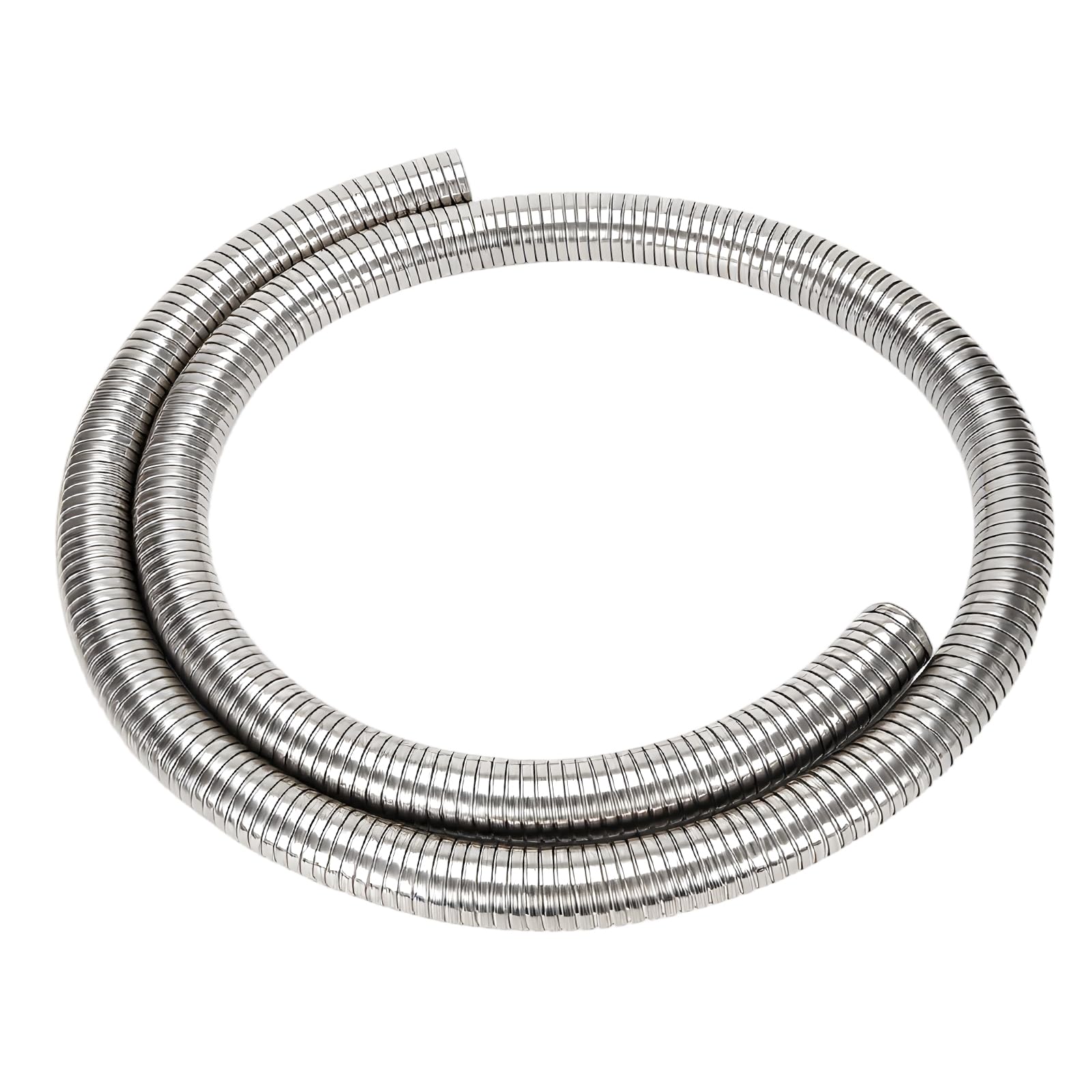
A polished stainless 72-inch pipe labeled heavy duty with a shiny finish that resists corrosion from day one.
FIZZBOP enters this list with a stainless steel flex pipe that is marketed as “super flexible and heavy duty” at the same 72-inch length as the top pick. The polished finish and no-burr surface stand out visually, and the stainless construction means you get the same rust-proof advantage as the T304 options without the galvanized steel’s eventual oxidation. It is positioned for universal applications — trucks, commercial vehicles, and gasoline or diesel generators.
The buyer feedback is still small (17 ratings), so the long-term picture is less established than the Walker or FORTLUFT alternatives. Those who have installed it describe it as “good quality made” and note it is “heavier duty than some of the other products out there.” One owner used it to convert a gas-powered electric cart and found the fit and material exactly as described. The biggest practical note from reviewing the feedback is that the pipe dimensions list the width as 1.47 inches, not a round 1.5 inches, which could affect how snugly it slips over a 1.5-inch OD flange.
What stands out: Stainless steel construction with a polished, burr-free finish at a 72-inch length — this is the most visually clean option in the list.
The caveat: With only 17 ratings on Amazon, the long-term owner experience is thinner than the well-walked paths of the Walker and FORTLUFT pipes.
Best for: a project build where you want the clean look of polished stainless with corrosion resistance and a heavy-duty feel from a newer brand.
pass on it if: you want a proven, heavily-reviewed part with thousands of owner miles — the Walker pipes have much more real-world feedback behind them.
Understanding the Specs
Material — T304 vs Galvanized vs Alloy
The metal the pipe is made of determines how long it lasts. T304 stainless steel contains enough chromium and nickel that it resists rust almost completely, even in rain and road salt. Galvanized steel has a zinc coating that slows rust but will eventually oxidize, especially at weld points or bends where the coating cracks. Alloy steel is the most basic option — it works fine for short-term repairs but will show rust quickly in wet use.
ID (Inner Diameter)
The inner diameter determines which exhaust pipe it slides over or into. A 1.5-inch ID is the standard for many small engine generators, lawn tractors, and RV furnace exhausts. Make sure you measure your pipe’s actual outer diameter — some manufacturers list the pipe as 1.5-inch nominal but the actual OD may be slightly different, which can cause a loose or tight fit that needs an expander or a coupling sleeve.
FAQ
Will a 1.5-inch flex pipe fit my Generac generator?
Can I weld this flex pipe or does it need a clamp?
How long will a galvanized flex pipe last on a daily driver?
Is a 72-inch flex pipe too long for a car repair?
Can I use an exhaust flex pipe as a heater vent?
What does T304 stainless mean for an exhaust pipe?
Does a flex pipe need to be wrapped with heat tape?
How do I measure the correct length for my exhaust repair?
Can I use a flex pipe to fix a lawn mower exhaust?
Final Thoughts: The Verdict
Across the board, the 1 1 2 exhaust flex pipe winner is the Universal T304 Stainless 72-inch because it combines a full 6-foot length with rust-proof T304 steel at a price that beats other stainless options. If you want a precise short patch that will also never rust, grab the TORDXICS 22.5-inch T304. And for a budget-friendly long generator extension that comes from a trusted exhaust brand, the Walker 46971 6-foot galvanized is the one to reach for.
How We Picked
We do not accept paid placement. Every pick is matched to a real buyer and a real use-case; we do not hands-on test units.
Sources & Methodology
Specifications: manufacturer listings and product documentation. Review insights: verified customer reviews, as of July 2026. Pricing: not shown on this page (it changes often); check the current price via the retailer link.
As an Amazon Associate, Trending Car earns from qualifying purchases. This does not affect which products we feature.