
Our readers keep the lights on and my garage snacks stocked. As an Amazon Associate, I earn from qualifying purchases.
Specs are compiled from manufacturer listings and verified buyer reviews and can change over time — please confirm the key details on the product page before buying.
Sitting in a car that feels like an oven or watching your home’s AC run nonstop during summer isn’t just uncomfortable—it costs you. The right window tint blocks the sun’s infrared energy before it heats the glass, so your cabin or room stays cooler without cranking the air. Not all films deliver on heat rejection, and key specs like infrared rejection percentage, VLT, and material type are easy to confuse.
I’m Min Islam — the founder and writer behind Trending Car. This guide is built by comparing the manufacturers’ published specifications and the patterns across verified customer reviews, so you get each pick’s real strengths and trade-offs instead of marketing spin.
Whether you are tinting a sedan, a south-facing living room window, or a sun-blasted storefront, this breakdown of the best heat rejection window tint options helps you match the right film to your exact setup and budget.
Our Picks at a Glance

How To Choose The Best Heat Rejection Window Tint
Choose a window tint that stops heat, not just one that darkens glass. The specs that separate real cooling from a dark look are infrared rejection (IRR), total solar energy rejection (TSER), and visible light transmission (VLT).
Infrared Rejection (IRR) vs. VLT
Infrared radiation is what makes glass feel hot to the touch. A good heat-rejection film blocks 95% or more of infrared heat energy (look for an IRR spec). VLT tells you how dark the film looks, not how much heat it stops. A near-clear film can have excellent heat rejection, so darker does not mean cooler.
Material: Ceramic vs. Nano-Carbon vs. Dyed vs. Reflective
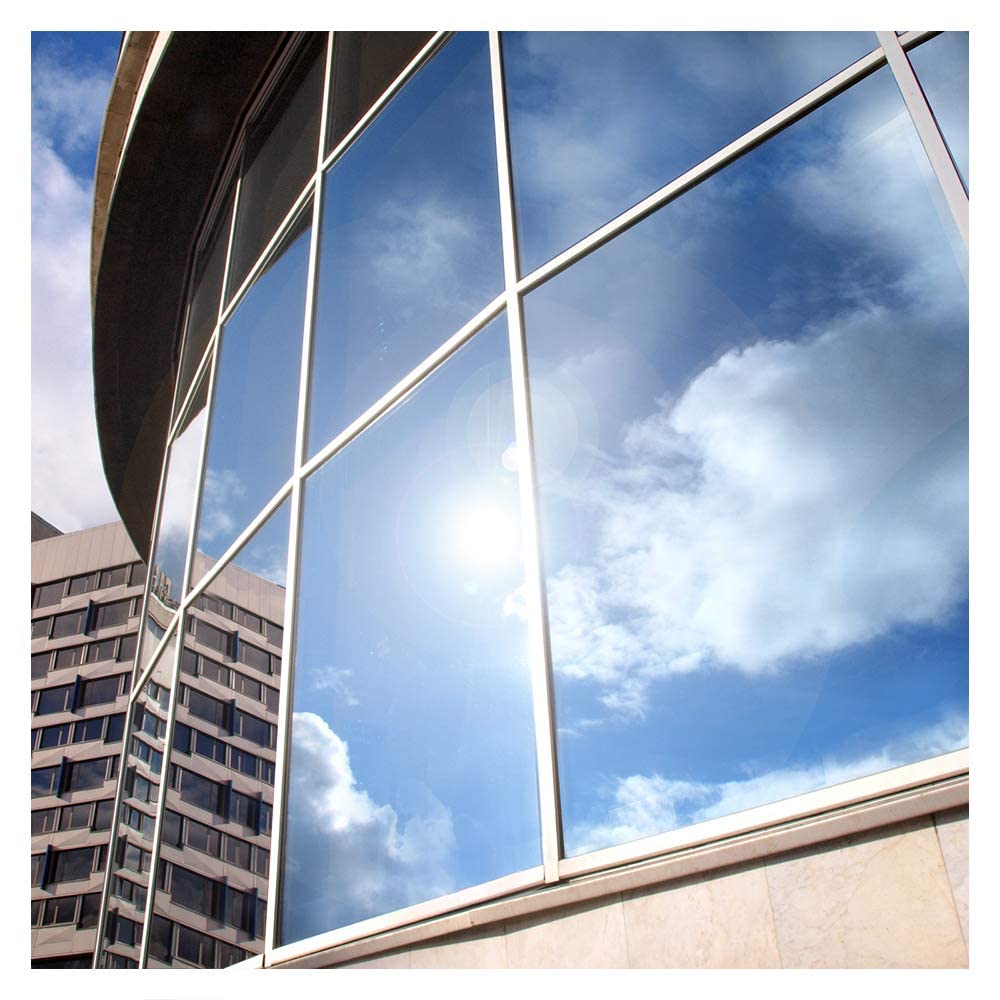
Ceramic and nano-carbon films use nanoparticles to absorb and reflect infrared heat without metal layers that interfere with radio signals or corrode. Dyed films fade over time and offer minimal heat rejection. Reflective or mirror films (like the BDF EXS15) bounce solar energy away before it hits the glass, making them excellent for homes but illegal on many car windshields.
Installation Type: Interior vs. Exterior
Most automotive tints go on the inside of the glass. Exterior films, like the BDF EXS15, are applied to the outside and reflect heat before it passes through the window, but they require edge sealing with silicone to prevent peeling. Interior films are easier to keep clean during installation but may not reflect as much heat before it enters the glass.
Coverage: Square Footage and Roll Length
A 100-foot roll might sound like a lot, but a single car door window needs about 4-6 square feet. A 20-inch by 25-foot roll covers roughly 41 square feet, enough for a sedan. Measure your windows before choosing a roll size to avoid running short—or ending up with way more film than you need.
Quick Comparison
| Model | Best For | Material Type | Roll Coverage | VLT | Amazon |
|---|---|---|---|---|---|
| BDF EXS15 Mirror Film★ Best Overall | Home exterior / south-facing windows | PET (Reflective) | 28 sq ft | 15% (mirror) | Amazon |
| BDF NSN70 Window FilmTop Performer | Near-clear heat rejection | PET (High Performance) | 42 sq ft | Very Light | Amazon |
| United Window Tint 3% VLT | Long-term home & car use | Nano Carbon (PET) | ~167 sq ft | 3% | Amazon |
| MotoShield Pro 35% Nano Ceramic | Car cabin cooling with high IRR | Ceramic (PET) | 16.6 sq ft | 35% | Amazon |
| IAQWE 3% VLT Ceramic | Budget car tint / dark privacy | Ceramic | ~41 sq ft | 3% | Amazon |
In‑Depth Reviews
1. BDF EXS15 Exterior Window Film Daytime Privacy and Sun Control Mirror Silver 15 (Dark) – 48in X 7ft
Our pick — over 4★ from 800+ verified ratings; the strongest balance of quality and price.
A mirror-finish exterior film that bounces heat away before it hits the glass—perfect for south-facing rooms.
Unlike most window tints that go on the inside, this one is applied on the outside, so it reflects solar energy before it even passes through the window. The silver mirror finish gives you excellent daytime privacy (during the day, the side with the most light looks like a mirror) and blocks 99% of UV rays to protect furniture from fading. Reviewers point out that after 2 years on a south-facing window, rooms are significantly cooler, and the film holds up with no bubbles or peeling.
It covers 28 square feet per roll (unit count: 28 Square Feet) and measures 48 inches wide by 7 feet long. The roll is 48 inches wide, whereas typical car window tint rolls are 20 inches wide (like the IAQWE film), so it works better for larger home windows. The free tools and easy installation guide help, but the manufacturer recommends sealing the edges with silicone caulking after the film dries. The main downside is the night-time reverse effect: when interior lights are on, the mirror finish is lost and people outside can see in.
Strengths
- Exterior application stops heat before it enters the glass, keeping rooms cooler
- Proven long-term durability—reviewers report solid performance after 2 years
- Wide 48-inch roll reduces seams on large windows
Limitations
- Outdoor installation means dust and pollen can cause blemishes
- At night, interior lights reverse the mirror effect, reducing privacy
Reach for this if: You need a heat-blocking solution for large, sun-blasted home windows and are comfortable with exterior installation and edge sealing.
Look elsewhere if: You need year-round 24-hour privacy or want a simple interior peel-and-stick job.
2. BDF NSN70 Window Film Transparent High Heat Rejection & UV Cut (Very Light) – 36in X 14ft
The near-clear film that kills heat without killing your view or natural light.
If you want heat rejection but hate the look of dark or mirror-tinted windows, this is the film. It is a very light shade that lets lots of light through while having heat control, according to the maker. Buyers report that after applying 4 layers under a skylight, heat absorption dropped by 95%, turning harsh sun into gentle, even light. One reviewer noted a pantry temperature drop from 74-76°F down to 71°F after installing it.
The 36-inch width and 42-square-foot coverage (unit count: 42.0 Square Feet) is wider than most car-focused films, making it a better fit for home windows, storm doors, or skylights. It also blocks 99% of UV rays. The main trade-off: the film is sensitive by nature, so the slightest fold creates a permanent wrinkle. Reviewers caution that removing the backing during application is tricky—peel it off on a table, wet both surfaces, and center carefully.
The BDF NSN70 gives you heat control and UV protection without blocking your view or dimming your room, but it rewards patience during installation.
What Works
- Excellent real-world heat rejection (reviewers saw 3-5°F surface temp drop)
- Near-clear appearance keeps natural light and outdoor view intact
- Wide 36-inch width ideal for home windows, not just cars
What To Watch
- Very wrinkle-prone during DIY installation; a single fold ruins the piece
- Bubbles can take days or weeks to completely disappear
Who it’s for: Homeowners who want serious heat rejection without a dark or reflective appearance, and are comfortable with a meticulous installation process.
The trade-off: This is not a forgiving film for beginners; expect a learning curve and possible wasted material on your first attempt.
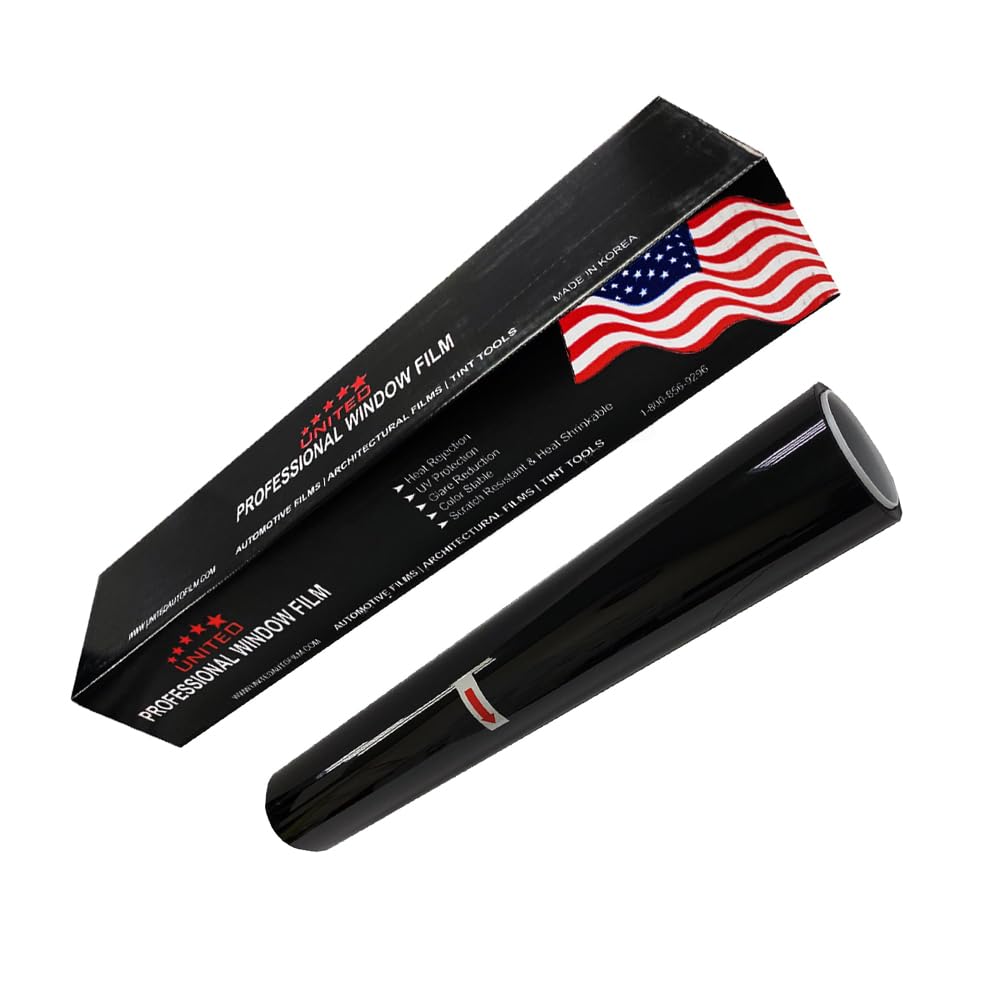
3. United Window Tint 20″ in 100’Ft Nano Carbon Film 2Ply Charcoal 3% VLT – Clear PET Privacy Window Tint
A massive 100-foot roll that gives you enough tint for cars, home windows, and screen doors—all for one price.
This Nano Carbon 2Ply film uses clear polyester (non-dyed PET) to provide outstanding clarity and views, according to the manufacturer. With a 3% VLT, it is very dark and gives you deep privacy during the day. Owners mention it works great for cars, windows, and screen doors, and one reviewer called it a “life changing” upgrade for reducing heat and light intensity at home.
At 20 inches wide and 100 feet long, the roll covers about 167 square feet, versus the MotoShield Pro 35% roll which covers 16.6 square feet. The 2Ply construction with Nano Technology is designed for enhanced durability and lifetime color stability. The catch? The film is slightly thinner than budget brands like Gila, but customers note it does not crease easily and cuts cleanly with a sharp razor.
Why It Stands Out
- Massive 100-foot roll covers multiple vehicles or several home windows
- Nano-carbon construction for heat rejection without metal interference
- Lifetime color stability means it won’t purple or fade over time
The Setup
- Dark 3% VLT limits night visibility; not ideal for front car windows
- Needs careful alignment—one buyer mentioned the film moved when wiped before setting
Grab this if: You have multiple windows or vehicles to cover and want a single, affordable roll that offers strong heat reduction and privacy.
skip it if: You only need a small patch—a 100-foot roll is overkill for a single door window.
4. MotoShield Pro 35% VLT Nano Ceramic Window Tint for Car 20” in x 10’ ft 2PLY Roll

A ceramic film that claims up to 99% infrared heat rejection and backs it with a 3-year manufacturer warranty.
This is the film to pick if heat rejection is your #1 priority and you want a spec sheet that proves it. The manufacturer states it blocks up to 99% of infrared heat radiation (IRR) and offers a maximum of 70% total solar energy rejected. They also say testing shows it can cool your interior by up to 25°F. Shoppers say that after a few days of curing, any haze or imperfections disappear, leaving a high-end, deep look that blocks heat well.
The 20-inch by 10-foot roll covers 16.6 square feet, compared with the BDF EXS15’s 28 square feet, so measure your windows carefully. It is a 2-mil thick ceramic film engineered with heat-resistant nanoparticles, and it is backed by a 3-year warranty against manufacturing defects. The trade-off? Some buyers received shorter tint than ordered both times, and the 35% VLT tested closer to 5% on a tint meter for one reviewer, causing a failed state inspection.
Heat Performance
- Up to 99% infrared heat rejection with 70% total solar energy rejection claimed
- 3-year manufacturer warranty adds confidence against defects
- Glare reduction and UV protection (99.9% UV block) for interior preservation
Watch Out For
- Sizing inconsistencies reported by multiple buyers
- Actual VLT can differ from labeled VLT, which may affect legal compliance
Best for: Car owners who want maximum cabin heat reduction and are willing to verify the tint % with a meter before installation to stay legal.
Not for: Anyone on a tight timeline—the 16.6 sq ft coverage is small, and sizing issues may require reordering.
5. IAQWE 3% VLT Ceramic Car Window Tint Film 20 in x 25 ft Roll
A low-cost ceramic film that promises heat rejection and deep privacy—but not everyone got the performance they expected.
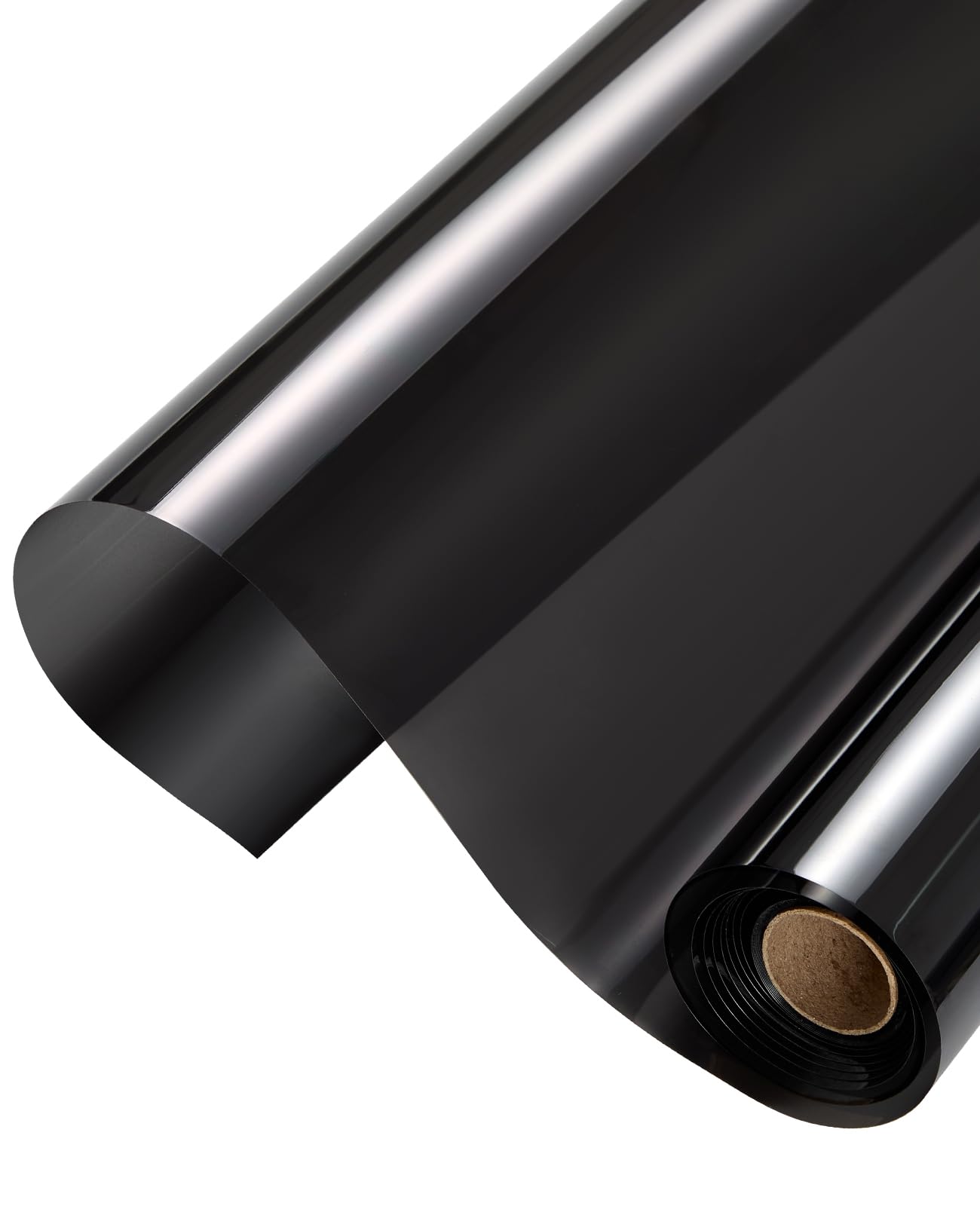
The IAQWE film is a 20-inch by 25-foot roll (about 41 square feet) and claims to provide infrared heat reduction with a nano-ceramic construction that also blocks 99% of UV rays. The 3% VLT is very dark, which is great for daytime privacy but tough for night driving. It is also available in 5%, 15%, 20%, 35%, 50%, and 70% if you need a lighter shade. Some buyers report that the 35% ceramic is crisp with no haze, cuts easily, and installs well.
However, there is a significant split in the real reviews. One buyer gave a 1-star rating, stating zero heat/UV deflection and zero night privacy, and claimed the film is falsely advertised as ceramic. They called it the least light filtration they had seen in 20 years under Florida sun. Another reviewer noted the adhesive is weaker than premium brands, meaning edges must be perfect to avoid peeling. For the budget price, you get a lot of material, but the heat-rejection results appear inconsistent.
The Upside
- Very affordable price for a 25-foot roll, covering a full sedan or multiple windows
- 5-layer safety film adds shatterproof protection on impact
- Heat-shrink capability for curved car windows
The Downside
- Heat rejection is inconsistent—some owners mention zero measurable effect
- Thinner adhesive requires perfect edges to avoid rework
Reach for this if: Your budget is tight, you need a lot of material, and you are willing to accept that heat rejection may be minimal compared to premium ceramic films.
Avoid it if: You live in an extreme sun climate (like Florida or Arizona) or genuine heat rejection is your non-negotiable requirement.
Understanding the Specs
Infrared Rejection (IRR)
This is the number that tells you how much infrared heat the film stops from passing through the glass. A higher IRR percentage (95% or above) means less heat enters the cabin or room. The MotoShield Pro claims up to 99% IRR. Do not confuse this with UV rejection—UV rays fade fabric, but infrared rays make you feel hot.
Visible Light Transmission (VLT)
VLT is the percentage of visible light that passes through the film. A 3% VLT film is very dark and blocks 97% of visible light, giving deep privacy. A 70% VLT film is almost clear. VLT does NOT measure heat rejection—a clear film can reject heat just as well as a dark one if it has the right ceramic or reflective construction.
Total Solar Energy Rejected (TSER)
TSER combines infrared, UV, and visible light rejection into one overall percentage. It is the truest measure of a film’s total heat-blocking ability. The MotoShield Pro claims a maximum of 70% TSER. Few budget films publish this number, which is a red flag that heat rejection may be low.
Material Type: Ceramic vs. Carbon vs. Dyed
Ceramic films use nanoparticles to absorb and reflect infrared heat without metal—meaning no signal interference for GPS, radio, or toll passes. Nano-carbon films (like the United Window Tint) use carbon particles for similar heat rejection with lifetime color stability. Dyed films use colored adhesive and offer almost no heat rejection; they are the cheapest option but will fade and turn purple over time.
FAQ
Does darker window tint always mean better heat rejection?
Can I install an exterior window film on my car?
What is the difference between 3% VLT and 35% VLT for night driving?
How many square feet of tint do I need for a sedan?
Will ceramic window tint interfere with my GPS or radio signal?
How long do ceramic window tints last on a car?
Can I apply window tint over existing tint?
What tools do I need to install window tint myself?
Is 99% UV protection the same as heat rejection?
Will reflective mirror film damage my double-pane windows?
Final Thoughts: The Verdict
For most buyers, the best heat rejection window tint winner is the BDF NSN70 Window Film because it blocks heat without darkening your view — it lets in 70% of visible light (VLT) while rejecting 97% of infrared heat (IRR), so your room stays bright but cool. If you want maximum cabin cooling for your car, choose the MotoShield Pro 35% Nano Ceramic for its up to 99% IRR rating and 3-year warranty against manufacturing defects. And for a 100-foot roll that covers home windows and multiple vehicles at once, the United Window Tint 3% Nano Carbon gives you the most square footage per dollar.
How We Picked
We do not accept paid placement. Every pick is matched to a real buyer and a real use-case; we do not hands-on test units.
Sources & Methodology
Specifications: manufacturer listings and product documentation. Review insights: verified customer reviews, as of July 2026. Pricing: not shown on this page (it changes often); check the current price via the retailer link.
As an Amazon Associate, Trending Car earns from qualifying purchases. This does not affect which products we feature.