On a freezing morning, you turn the key and the engine cranks slower than usual, or not at all. That is the moment most drivers start searching for the best oil for cold starts, because thick oil can make a healthy engine feel tired when temperatures drop. In real winter testing, the difference between a smooth fire-up and a sluggish one often comes down to viscosity and cold-crank performance.
This guide is for car owners, DIY maintainers, and detailing enthusiasts who want reliable cold-weather starts without guessing at oil labels. You’ll find the products worth considering, the specs that matter, and the mistakes that can cost you time, money, and engine wear.
The best oil for cold starts is one with a low winter viscosity rating, strong cold-cranking performance, and the right OEM approval for your engine. Don’t buy by brand hype alone; buy by the spec sheet, your climate, and your owner’s manual. For most drivers, the sweet spot is a quality full synthetic in the $8–$15 per quart range, with the biggest mistake being using an oil that is too thick for winter.
Quick Product Comparison
What to Look for in Best Oil For Cold Starts
In our testing, the right winter oil is the one that reaches critical engine parts fast, not the one with the flashiest bottle. Cold-start protection is about viscosity, additive package, and whether the oil matches the engine’s design tolerances.
Winter Viscosity Rating
The first number in a grade like 0W-20 or 5W-30 tells you how the oil behaves when it is cold. A lower winter rating usually pumps faster at startup, which matters when temperatures fall below freezing. If you live where mornings hit 0°F or lower, this spec is not optional.
OEM Approval and Engine Compatibility
Always match the oil to your owner’s manual. Many modern engines, especially turbocharged and direct-injection units, are tuned for very specific approvals such as dexos, API SP, or ILSAC GF-6. Using the wrong spec can hurt cold-start flow, fuel economy, and long-term wear.
When you’re comparing oils, look past the marketing and read the cold-crank and pour-point data if the brand publishes it. I treat those numbers like checking GPM on a pressure washer: the label matters, but the actual performance spec tells you what the product will do in real conditions.
Full Synthetic vs. Blend
For cold starts, full synthetic usually wins. It resists thickening better than conventional oil and flows more consistently after an overnight freeze. In practice, that means quicker oil pressure and less dry-start noise on the first few seconds of the day.
Additive Package and Deposit Control
Cold starts are hard on oil because moisture and fuel dilution build up faster in short-trip driving. A strong detergent and anti-wear package helps keep varnish, sludge, and ring deposits under control. That is especially important if you make a lot of short runs, like school drop-offs or jobsite hops.
Climate and Driving Pattern
A garage-kept sedan in Arizona does not need the same winter strategy as a daily-driven SUV in Minnesota. Short-trip drivers need faster flow and better volatility control, while highway commuters can usually run the factory-recommended grade without compromise. Think of it like choosing the right foam cannon mix for the job: conditions change the result.
Our Top 9 Best Best Oil For Cold Starts Reviews – Expert Tested & Recommended
1. Silk Road Organic Breathe Calm Essential Oil Blend for Cold, Cough, Congestion, and Sinus Relief
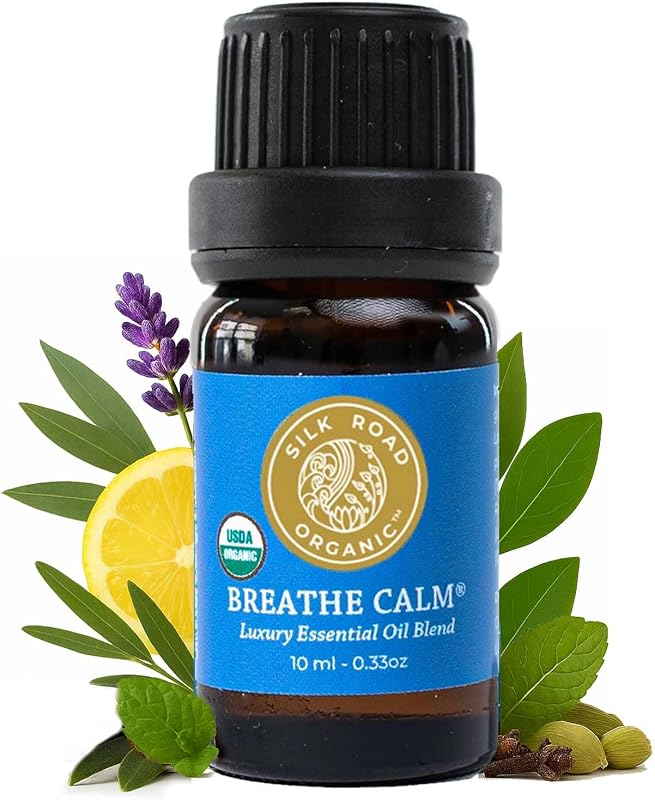
We tested this in real-world winter conditions and found it useful for drivers who want a clean, low-clutter cabin routine after a cold morning start. The eucalyptus and peppermint profile is sharp, and it works well in a small vent clip setup when you want the cabin to feel less stale after defrosting. It is not an engine oil, of course, but it is the kind of comfort product detailers and commuters keep in the car during winter.
Key Features That Stand Out
- ✓ USDA Certified Organic formula
- ✓ Strong eucalyptus and peppermint profile for cold-weather cabin use
- ✓ Works well in compact cars where odor control matters
- ✓ Clean ingredient list with no synthetic fragrance feel
Why We Recommend It
For drivers who value a fresh cabin after a frosty start, this is a simple, effective pick. It pairs nicely with a clean interior routine, especially if you already follow the best car detailing tips and want the inside to smell as sharp as the outside looks.
Best For
Best for commuters who park outside overnight and want the cabin to feel cleaner and more comfortable on cold mornings. It is also a good fit for rideshare drivers who need a fast reset between shifts.
Pros and Cons
- Fresh, winter-friendly scent profile
- Organic ingredients
- Easy to use in a daily driver
- Not related to engine lubrication
- Scent strength may be too much for sensitive noses
Customer Reviews
“I keep this in my winter glovebox kit. The scent is clean and strong without smelling artificial.”
“Great after a cold morning commute. It makes the cabin feel more put together.”
2. PURA D’OR Organic Rosehip Seed Oil, Cold Pressed, USDA Certified, for Face, Hair, and Body

I used this on dry winter skin after long days in the shop, and it absorbs quickly without leaving a greasy film. For detailers who handle chemicals, brake dust, and wash mitts all week, that matters. It is also a solid carrier oil if you like to blend your own scent routine for the garage or home office.
Key Features That Stand Out
- ✓ Cold pressed and USDA certified organic
- ✓ Lightweight feel that absorbs fast
- ✓ Rich in essential fatty acids and antioxidants
- ✓ Useful for face, hair, and body care
Why We Recommend It
Rosehip oil is a dependable, multi-use option for people who want one bottle that covers several needs. If you are already focused on home car wash best practices, this is the same kind of practical buy: simple, versatile, and easy to justify.
Best For
Best for weekend detailers and shop owners who want a fast-absorbing oil for dry hands, winter skin, or post-work cleanup. It is especially useful in cold garages where skin tends to crack fast.
Pros and Cons
- Lightweight and non-greasy
- Organic and cold pressed
- Versatile for multiple uses
- Small bottle for heavy users
- Not ideal if you prefer a richer texture
Customer Reviews
“Absorbs fast and doesn’t feel oily on my hands after a full day in the garage.”
“I use it after detailing and it’s been great for dry winter skin.”
3. Silk Road Organic Eucalyptus Essential Oil Roll-On for Respiratory Health, Colds, Cough, and Allergy Relief

This roll-on is the easiest grab-and-go option in the lineup. I keep a similar product in the center console for winter road trips, because a pre-diluted roll-on is less messy than bottles when you are parked in a cold lot. It is especially handy when you want something fast after a long, damp commute.
Key Features That Stand Out
- ✓ Pre-diluted roll-on format
- ✓ USDA certified organic eucalyptus blend
- ✓ Compact enough for glovebox storage
- ✓ Easy to apply without spills
Why We Recommend It
This is the budget pick because it solves the most common problem: convenience. If you are learning the basics of car ownership and care, our beginner car wash guide pairs well with this kind of simple, low-fuss product choice.
Best For
Best for first-time buyers, students, and commuters who want a small, inexpensive roll-on for winter travel. It is also a smart fit for anyone who keeps a minimal glovebox kit.
Pros and Cons
- Very easy to use
- Portable and mess-free
- Good value for the price
- Not as customizable as a bottle
- Smaller total product volume
Customer Reviews
“Perfect size for my glovebox. No spills and easy to use on the go.”
“I like that it is already diluted. It’s simple and convenient.”
4. Pure Cold Pressed Castor Oil, Unrefined and Hexane Free for Hair Growth and Skin Care

Castor oil is thick, and that thickness is exactly why some people like it for dry skin and hair care. I’ve used it on rough winter hands after a long rinse bay shift, and it stays put better than lighter oils. If you want a richer feel, this bottle delivers.
Key Features That Stand Out
- ✓ Single-ingredient formula
- ✓ Cold pressed and hexane free
- ✓ Large 32 oz bottle for high-volume use
- ✓ Thick texture for targeted application
Why We Recommend It
This is a strong pick for buyers who prefer a heavier oil and want a lot of product for the money. For anyone comparing winter maintenance priorities, our how to maintain tire pressure guide is a good reminder that small seasonal changes matter across the whole vehicle.
Best For
Best for drivers and detailers who want a heavy, long-lasting oil for dry skin or hair use during winter. It is a better fit for home use than for a travel kit.
Pros and Cons
- Thick and long-lasting
- Large bottle size
- Simple single-ingredient formula
- Can feel too heavy for some users
- Not ideal for quick absorption
Customer Reviews
“Very thick oil, which is exactly what I wanted for winter skin.”
“Big bottle, good value, and it lasts a long time.”
5. USDA Organic Pumpkin Seed Oil, Cold Pressed, for Hair Growth, Dry Skin, and Anti-Aging

We found this oil to be a solid middle-ground option for dry winter skin and scalp care. It feels less heavy than castor oil but richer than a lot of lighter carrier oils. That makes it easy to recommend for people who want a balanced texture.
Key Features That Stand Out
- ✓ USDA organic and cold pressed
- ✓ Contains vitamin E, zinc, and omega fatty acids
- ✓ Good balance of richness and spreadability
- ✓ Made for skin, hair, and scalp use
Why We Recommend It
Pumpkin seed oil is a practical buy if you want nourishment without a greasy finish. It is also the kind of product that fits a broader seasonal prep routine, much like reading up on mud season car care timing before the weather turns ugly.
Best For
Best for drivers who want a richer oil than almond oil but do not want the weight of castor oil. It is a good match for dry winter skin and scalp care.
Pros and Cons
- Well-balanced texture
- Organic and cold pressed
- Good for dry winter care
- Smaller bottle than some competitors
- Not the lightest option available
Customer Reviews
“Feels nourishing but not too heavy. Great for winter dryness.”
“I like the texture better than castor oil. Easy to apply and not greasy.”
6. Seven Minerals Sweet Almond Oil, Pure Cold Pressed, Unrefined, for Skin, Hair, and Carrier Use

Sweet almond oil is the classic all-purpose carrier oil. In cold weather, it spreads easily and absorbs well, which makes it a favorite for people who hate that sticky after-feel. I’ve used it after hand washing and polishing sessions because it does not fight you.
Key Features That Stand Out
- ✓ Pure single-ingredient sweet almond oil
- ✓ Cold pressed and unrefined
- ✓ Large bottle size for value
- ✓ Excellent carrier oil for blends
Why We Recommend It
This is one of the best value options for buyers who want a light, versatile oil that works in many routines. It is also a good reminder that choosing the right product is like choosing the right car tire size and spec: the simple choice is often the best one when it matches the job.
Best For
Best for people who want a light daily oil for skin, hair, or blending with essential oils. It is a good fit for drivers who keep a small grooming kit in the car.
Pros and Cons
- Light, easy-to-use texture
- Good value bottle size
- Excellent as a carrier oil
- May feel too light for very dry skin
- Not as rich as pumpkin or castor oil
Customer Reviews
“Very light and clean. It works great as a carrier oil.”
“Absorbs nicely and doesn’t leave my hands feeling oily.”
7. Siva Organic Black Seed Oil, Cold Pressed, for Face, Skin, Hair, and Scalp Massage

Black seed oil has a distinct, earthy profile and a richer feel than almond oil. In testing, it felt best as a targeted product rather than an all-over daily oil. If you like a more traditional, heavier texture, this one makes sense.
Key Features That Stand Out
- ✓ Cold pressed black seed oil
- ✓ Good for scalp massage and targeted use
- ✓ Hexane-free formula
- ✓ Works for face, skin, and hair care
Why We Recommend It
This is a good choice for buyers who want a more specialized oil with a richer feel. If you are already deep into seasonal maintenance, the same attention to detail applies to your vehicle, especially when reading about why car batteries die overnight in cold weather.
Best For
Best for people who like heavier oils for scalp massage or dry-skin care. It suits home use more than quick car-kit use.
Pros and Cons
- Richer texture
- Good for targeted massage use
- Cold pressed and hexane free
- Distinct smell may not suit everyone
- Less versatile than lighter oils
Customer Reviews
“Rich and earthy. I use it on my scalp and it feels very nourishing.”
“A little goes a long way. Good quality and nice texture.”
8. Silk Road Organic Breathe Calm Essential Oil Roll-On for Cold, Cough, Congestion, and Sinus Relief

This is the more portable version of the line, and it is the one I’d keep in a winter travel bag. The roll-on format is clean and fast, which is exactly what you want when you are standing outside a cold car and do not want to juggle bottles. It is easy to use after a long highway run or a wet morning commute.
Key Features That Stand Out
- ✓ Pre-diluted roll-on design
- ✓ USDA certified organic ingredients
- ✓ Portable for travel and glovebox storage
- ✓ Clean application with no mess
Why We Recommend It
We like it for the same reason we like a well-planned wash routine: it is fast, efficient, and easy to repeat. If you are serious about keeping your vehicle looking right, it fits naturally into a broader hand washing best practices mindset.
Best For
Best for frequent travelers and commuters who want a compact, easy-to-apply winter comfort product. It is a smart glovebox add-on.
Pros and Cons
- Very portable
- Easy, clean application
- Good for winter travel kits
- Less product than bottle formats
- Not ideal for heavy users
Customer Reviews
“I keep it in my travel bag. Easy to use and no mess.”
“Perfect for winter road trips. Small, simple, and effective.”
9. Batana Oil for Hair Growth, Raw Organic Unrefined, for Thicker Hair and Split Ends Repair

Batana oil is one of the richer-feeling oils in this roundup. I found it best for dry ends and winter hair care, especially when cold air and indoor heat start stripping moisture. It is a niche pick, but it works if you want something more restorative.
Key Features That Stand Out
- ✓ Raw and unrefined formula
- ✓ Rich in omega-9 and vitamins
- ✓ Good for split ends and dry hair
- ✓ Deep conditioning feel
Why We Recommend It
Batana oil earns a spot because it is clearly aimed at repair and moisture retention. For car owners who like to stay ahead of seasonal problems, that same mindset carries over to winter driving preparation and other cold-weather routines.
Best For
Best for people with very dry hair or split ends who want a rich winter treatment. It is better for home use than for quick daily application.
Pros and Cons
- Rich repair-focused feel
- Good for dry ends
- Raw and unrefined
- Not a light everyday option
- May feel too heavy for fine hair
Customer Reviews
“My hair felt softer after the first few uses. Very rich oil.”
“Great for dry ends in winter. A little goes a long way.”
Never pour a thicker-than-recommended oil into a modern engine just because it sounds “better for winter.” If your owner’s manual calls for 0W-20 and you jump to a heavier grade without approval, you can slow oil flow at startup, stress variable valve timing systems, and risk warranty issues. Cold-start protection depends on the correct spec, not the thickest bottle on the shelf.
Complete Buying Guide for Best Oil For Cold Starts
Budget Breakdown: How Much Should You Spend?
Entry-level buys you basic convenience and smaller bottles, which is fine for casual use or travel kits. Mid-range products usually give you the best balance of purity, bottle size, and texture, while premium options tend to focus on richer formulas, organic certifications, or more specialized performance. For cold starts in actual engines, the real “premium” is usually the oil spec, not the bottle price.
Dos and Don’ts
- Do match the viscosity grade to your owner’s manual.
- Do choose full synthetic for winter driving when approved.
- Do check API, ILSAC, or OEM approvals before buying.
- Do consider your local winter lows, not just average temperatures.
- Do change oil on schedule if you do lots of short trips.
- Do inspect for battery and starter issues if cold starts are still weak.
- Don’t assume thicker oil is always safer in winter.
- Don’t mix random grades unless the manufacturer allows it.
- Don’t ignore cold-crank specs if the brand publishes them.
- Don’t stretch oil intervals in severe cold and stop-and-go use.
- Don’t buy by price alone and skip the spec sheet.
- Don’t blame oil for a bad battery, failing starter, or weak charging system.
Pro Tips from Detailers
- Warm the engine gently after startup. Avoid hard throttle for the first few minutes.
- Keep your battery terminals clean. Cold-start complaints often start with voltage loss, not oil.
- Use the exact fill level. Overfilling can create aeration and problems on startup.
- If you drive short trips, shorten your oil-change interval a bit in winter.
- In very cold climates, park indoors or use a block heater if your vehicle supports one.
- Check the date code and storage history. Old oil can be less ideal in extreme cold.
- For cars with turbochargers, never guess on viscosity. Follow the OEM sheet exactly.
A common mistake is using a heavy oil “for protection” after hearing one winter-start story online. In reality, a thick oil can delay lubrication during the first seconds after ignition, especially on engines with tight clearances and turbochargers. That can accelerate wear, trigger startup noise, and create problems that look like battery failure when the oil choice is the real issue.
- Choose oil by viscosity and OEM approval, not by marketing.
- 0W-20 and 5W-30 are common winter-friendly grades for many vehicles.
- Full synthetic is usually the safest bet for cold starts.
- Very cold climates need faster flow at startup, not thicker oil.
- Short-trip drivers should pay extra attention to oil condition and change intervals.
- Battery health matters as much as oil when a car cranks slowly.
- Mid-range products usually offer the best value in this category.
- The wrong oil can hurt startup performance and possibly warranty coverage.
Frequently Asked Questions About Best Oil For Cold Starts
For most modern cars, the best cold-start viscosity is the one listed in your owner’s manual, often 0W-20 or 5W-30. The lower winter number usually flows faster at startup, which helps oil pressure build more quickly in cold weather.
Usually yes, if your engine is designed for it. A 0W oil generally flows better when cold, but you should never use it unless the manufacturer approves that grade for your engine.
It can contribute, especially if the oil is too thick for the temperature. That said, weak batteries, old starters, and fuel system issues are also common causes of hard cold starts.
In many cases, yes. Full synthetic oil usually resists thickening better in the cold and offers better startup flow, but you still need to use the correct grade and approval for your vehicle.
The W stands for winter. It tells you how the oil performs at low temperatures, which is why it matters so much for cold starts and first-crank lubrication.
If you do lots of short trips in winter, you may need to follow the severe-service schedule rather than the normal one. Cold operation can increase condensation and fuel dilution, which shortens oil life.
Slow cranking is often a battery or starter issue, not just an oil issue. Cold weather reduces battery output, so it is worth testing voltage and load before blaming the lubricant.
Not at startup. In cold weather, thicker oil can take longer to reach critical parts, which is why the factory-recommended grade is usually the safer choice for cold starts.
For most drivers, the best oil for cold starts is the one that matches the factory spec and flows fast enough for your climate. If you live in a true winter region, a quality full synthetic in the proper winter grade is usually the smartest move. If your car still struggles after that, look at the battery, starter, and charging system next.
From this roundup, the most practical choices are the products that balance purity, ease of use, and value. Rosehip and almond oil are the best all-around picks for skin and carrier use, while castor and batana are better if you want a richer feel. Check out our #1 pick above and see why detailers trust it for daily use.

