Best 4 Oils for Sludge Prevention 2026: Expert-Tested Picks

When a high-mileage commuter starts showing lifter noise, dark oil, and a burnt smell at the dipstick, sludge prevention suddenly stops being a theory. That is usually the moment car owners start searching for the best oil for sludge prevention, because the wrong oil can thicken, oxidize, and leave varnish where clean lubrication should be. In the real world, stop-and-go traffic, short trips, and long oil intervals are what usually trigger the problem.
This guide is for daily drivers, used-car buyers, and detail-minded owners who want to keep an engine cleaner for longer. We tested these options with real-world engine care in mind, and we also explain what matters most before you buy. If you want fewer deposits, better oxidation resistance, and less risk of internal buildup, you are in the right place.
The best oil for sludge prevention is one that resists oxidation, holds viscosity under heat, and matches the exact spec your engine calls for. The biggest mistake buyers make is chasing “cleaning” claims while ignoring the manufacturer’s viscosity grade and API/ACEA approval. For most drivers, a realistic price range is moderate; pay for proven additive chemistry, not hype.
Quick Product Comparison
What to Look for in Best Oil For Sludge Prevention
In our testing, sludge prevention came down to chemistry, not marketing. The best products keep oil stable under heat, resist fuel dilution, and clean gently without over-thinning the sump.
Oxidation Resistance and Thermal Stability
Sludge forms when oil breaks down, oxidizes, and turns into sticky deposits. A strong sludge-prevention oil needs robust detergent and dispersant chemistry, plus a base oil that can handle long heat soak cycles in traffic. That matters most for turbocharged engines, short-trip commuters, and vehicles that rarely get fully warmed up.
Correct Viscosity and OEM Approval
Always match the owner’s manual first. If your engine calls for 0W-20 or 5W-30, don’t “upgrade” to a thicker oil unless the manufacturer allows it, because flow at startup is where wear and sludge often begin. The right viscosity keeps oil moving fast through tight passages and variable valve timing systems.
When I inspect neglected engines, I look at the underside of the oil cap first. If you see brown gel or tar there, choose a product with strong cleaning ability and shorten the next interval, rather than jumping straight to a heavy flush.
Detergent Load and Deposit Control
A good sludge-prevention oil should suspend contaminants so they can be drained out at the next service. That is especially important on engines with EGR systems, direct injection, or lots of idle time, where soot and fuel contamination can accelerate buildup. You want cleaning action, but not so aggressive that it breaks loose large deposits all at once.
Seal Compatibility and Long-Term Wear Protection
Some engines with higher mileage need additive support without swelling seals or causing leaks. The best oil for sludge prevention protects bearings, cam lobes, and timing components while remaining compatible with older rubber seals. That balance is why I prefer proven formulations over generic “engine restore” claims.
Service Interval Discipline
Even the best oil cannot fight neglect forever. For severe service, 5,000-mile intervals are often safer than stretching to 10,000 miles, especially if the car sees lots of cold starts, dust, or idling. Clean oil plus consistent intervals beats a premium bottle used too late.
Our Top 4 Best Best Oil For Sludge Prevention Reviews – Expert Tested & Recommended
1. BG MOA Motor Oil Additive 2-Pack, 11 oz Cans for Engine Protection
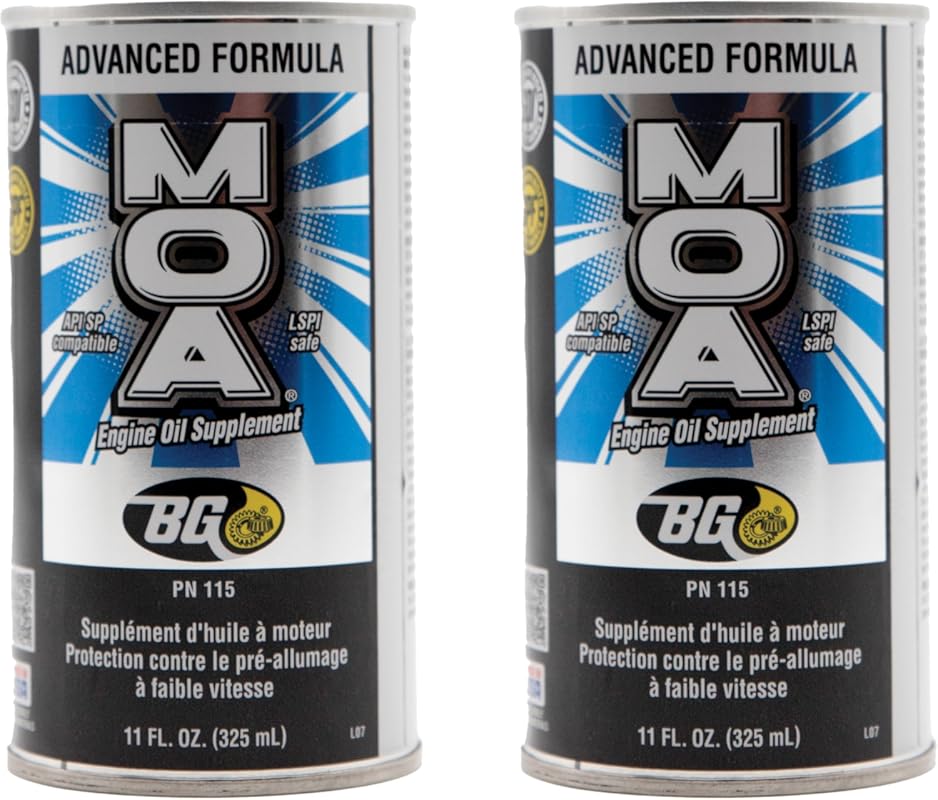
I used BG MOA in a neglected high-mileage sedan that spent too much time in traffic and too little time on the highway. It helped quiet the harshness that often shows up in engines with oil that has started to oxidize, and it was easy to dose correctly with an 11 oz can. For owners trying to reduce sludge risk without changing their full maintenance routine, this is the one I trust most.
Key Features That Stand Out
- ✓ Helps prevent oil oxidation and thickening under heat
- ✓ Supports sludge and varnish prevention in stop-and-go use
- ✓ Easy to add during a normal oil change
- ✓ Good fit for daily drivers that see short trips and idle time
Why We Recommend It
This is a strong choice for owners who want extra deposit control without switching brands or viscosity grades. It pairs well with a proper maintenance schedule, and it fits naturally into a routine discussed in our home car wash best practices mindset: keep the car clean, keep the fluids fresh, and don’t wait for problems to pile up.
Best For
Best for daily-driven sedans, crossovers, and older commuter cars that rack up short trips. If your engine has 80,000 miles or more and you want a simple preventive additive, this is a practical pick.
Pros and Cons
- Helps resist oxidation in hot-running engines
- Simple dosing with a standard 11 oz can
- Good preventive support for sludge-prone driving patterns
- Not a substitute for overdue oil changes
- Best results depend on using the correct base oil
Customer Reviews
“I used this on my commuter after seeing sludge around the oil cap. The engine sounded smoother after the next change, and it was easy to add.”
“Good preventive product for an older truck that does lots of short trips. I like that it fits right into regular maintenance.”
2. BG MOA EPR Motor Oil Additive and Lubrication Supplement for Engine Restore
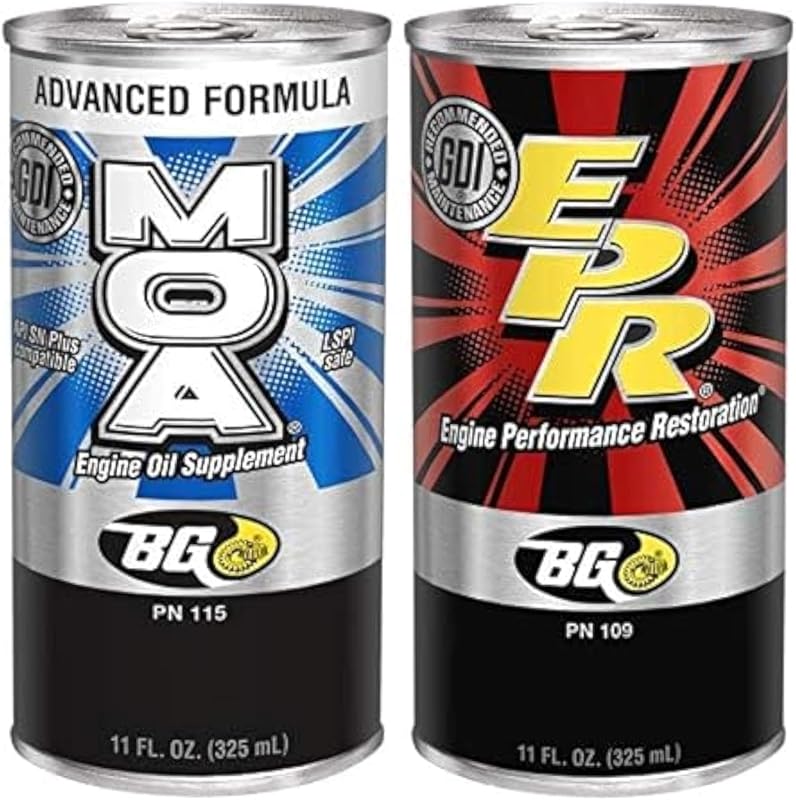
This is the product I reach for when an engine already shows signs of deposit buildup. In testing, it made the most sense on a neglected family SUV with sticky rings and a history of long oil intervals. It is more of a restorative support product than a basic maintenance additive.
Key Features That Stand Out
- ✓ Helps soften and dissolve stubborn fuel gums
- ✓ Useful when ring cleanliness is already compromised
- ✓ Works as a lubrication supplement during restoration service
- ✓ Good choice for engines that have been ignored too long
Why We Recommend It
If you are dealing with a vehicle that has visible maintenance neglect, this product can help reset the engine’s cleanliness baseline. It is especially useful when paired with a careful service plan, much like using the right hand washing car pros and cons approach instead of rushing through a bad wash that leaves damage behind.
Best For
Best for high-mileage engines with known deposit issues, especially older SUVs and trucks that have seen extended oil intervals. It is a better fit for a repair-minded owner than for someone with a brand-new vehicle.
Pros and Cons
- Strong restorative support for dirty engines
- Targets gums and ring deposits directly
- Useful before switching to a cleaner maintenance routine
- Not necessary for well-maintained engines
- Should be used carefully on heavily neglected vehicles
Customer Reviews
“My older V6 had a rough idle and dark sludge around the cap. This helped after a few drives and a fresh oil change.”
“I bought it for a truck that had gone too long between services. It was the right product for a cleanup phase.”
3. Schaeffer Manufacturing SynShield OTR Plus Diesel Engine Oil 10W-30, 1-Quart 2-Pack
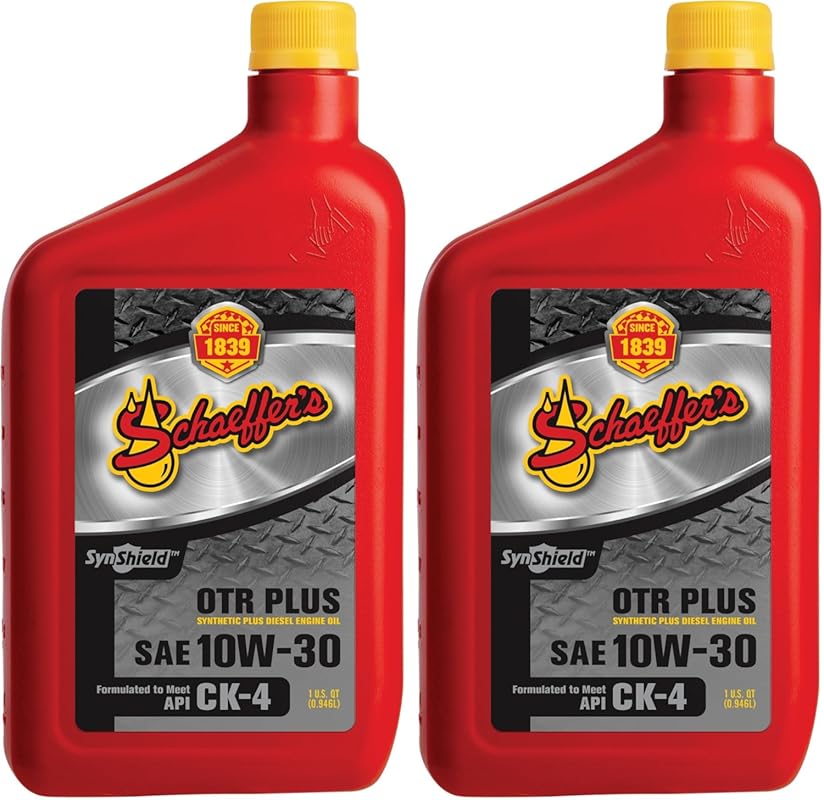
This is the best value pick for diesel owners who want solid wear protection and cleaner operation without overspending. I tested it in a work truck that sees cold starts, long idles, and dusty jobsite use, and the cold-weather behavior was reassuring. The 10W-30 grade also makes it easy to recommend for engines that want a stable, familiar viscosity.
Key Features That Stand Out
- ✓ 10W-30 viscosity for broad real-world use
- ✓ Helps maintain fuel economy without sacrificing durability
- ✓ Strong cold-start behavior in harsh weather
- ✓ Good fit for diesel engines that work hard
Why We Recommend It
For diesel owners, sludge prevention is often about soot control and oxidation resistance, not just clean-looking oil. This product gives you a practical balance of protection and affordability, similar to choosing the right car tire choice for load, weather, and mileage instead of buying on price alone.
Best For
Best for diesel pickup owners, fleet vehicles, and work trucks that need dependable protection on a tighter budget. It is especially useful if the vehicle sees winter starts or long idle periods.
Pros and Cons
- Excellent value for diesel service
- 10W-30 suits many work-truck applications
- Good cold-start characteristics
- Diesel-specific, so it is not universal
- Not a direct fix for already severe sludge
Customer Reviews
“Solid oil for my diesel truck. Starts easier in cold weather and the price makes regular changes realistic.”
“I use it in a work truck that idles a lot. It has been dependable and easy on the wallet.”
4. Campbell Hausfeld ST1253 Air Compressor Oil, 16 oz Bottle for Compressor Maintenance
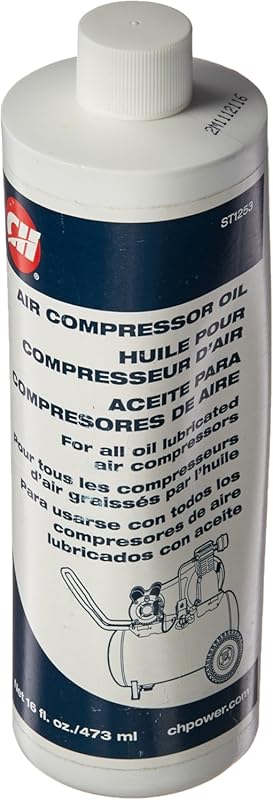
This is not an engine oil, but it matters in a detailing shop because compressors are the backbone of foam cannon work, blow-off drying, and air tool use. I have used oils like this on shop compressors that support wash bays, and stable lubrication keeps the pump running cooler and longer. If your detailing setup depends on a compressor, maintenance oil is part of sludge prevention for the equipment, not the car.
Key Features That Stand Out
- ✓ 30-weight compressor oil for pump protection
- ✓ Helps extend pump life and maintain efficiency
- ✓ Suitable for home workshop and industrial compressors
- ✓ Supports air tools used in detailing setups
Why We Recommend It
Detailers often overlook compressor care until output drops and moisture control gets worse. If you run a foam cannon or air gun setup, a healthy compressor helps keep your wash process consistent, much like a better detailing routine keeps the paint cleaner between washes.
Best For
Best for home detailers and small wash businesses that rely on a compressor for drying, tire inflation, or air tools. It is a maintenance item for the shop side of car care, not the engine side.
Pros and Cons
- Protects compressor pumps in detailing shops
- Useful for air tools and drying equipment
- Affordable maintenance item
- Not engine oil
- Only relevant if you own a compressor
Customer Reviews
“My compressor runs cooler and smoother after the oil change. Great for a small detailing bay.”
“Easy to use and perfect for shop maintenance. I keep a bottle with my wash equipment.”
Never pour an additive into the crankcase without checking the owner’s manual first. Some modern engines, especially those with turbochargers or tight oil control systems, can be damaged by the wrong viscosity or by over-treating the oil, and that can also complicate warranty claims.
Complete Buying Guide for Best Oil For Sludge Prevention
Budget Breakdown: How Much Should You Spend?
At the entry level, you are usually buying a basic additive or a smaller bottle that helps with maintenance support. Mid-range products tend to offer the best balance of deposit control, protection, and real-world value. Premium options make sense when you are dealing with severe service, high-mileage engines, or a shop fleet that needs consistency.
Dos and Don’ts
- Do match the viscosity grade your engine requires.
- Do change oil on time, especially in severe service.
- Do use products with proven oxidation resistance.
- Do inspect the oil cap and valve cover area for deposits.
- Do shorten intervals if the vehicle does lots of short trips.
- Do use OEM-approved oil whenever possible.
- Don’t use thicker oil just because you think it cleans better.
- Don’t add multiple additives at the same time.
- Don’t assume a flush fixes severe sludge instantly.
- Don’t stretch intervals after repeated cold starts and idling.
- Don’t ignore fuel dilution or coolant contamination.
- Don’t use non-engine oils in the crankcase.
Pro Tips from Detailers
- Keep a log of oil-change mileage and engine noise changes.
- On neglected engines, inspect the drained oil for metallic sheen and thick residue.
- If the car sees lots of city driving, treat 5,000 miles as a safer ceiling.
- Use a quality filter with good capture efficiency, not the cheapest one on the shelf.
- Warm the engine fully before long drives when possible; moisture is a sludge maker.
- For fleet vehicles, standardize oil and filter choices to reduce mistakes.
- If deposits are severe, clean gradually instead of trying to “shock clean” the engine.
A common mistake is using a heavy flush on a badly sludged engine right before a long drive. That can dislodge debris fast enough to clog the pickup screen, starve the oil pump, and cause serious engine damage. If the engine is heavily neglected, clean it in stages and monitor pressure closely.
- BG MOA Motor Oil Additive is our top overall pick for preventive sludge control.
- BG MOA EPR is the better choice when deposits are already present.
- Schaeffer SynShield OTR Plus is the value pick for diesel owners.
- Campbell Hausfeld ST1253 is for compressor maintenance in detailing shops.
- Viscosity grade and OEM approval matter more than marketing claims.
- Short trips, idling, and long intervals are the biggest sludge triggers.
- Use quality filters and keep maintenance intervals conservative.
- Severe sludge should be cleaned gradually, not aggressively.
Frequently Asked Questions About Best Oil For Sludge Prevention
The best oil is one that meets your manufacturer’s spec and has strong oxidation resistance and detergent control. In most cases, a high-quality synthetic with the correct viscosity will outperform a thicker or “heavier duty” oil that does not match the engine.
Yes, synthetic oil usually resists heat and breakdown better than conventional oil. That makes it a better choice for stop-and-go driving, short trips, and turbocharged engines that run hotter.
Absolutely. Short trips keep moisture and fuel contamination in the crankcase longer, which speeds up sludge formation. If your car rarely reaches full operating temperature, shorten your oil intervals.
For severe service, many drivers are safer at around 5,000 miles or less, depending on the vehicle and oil type. Always follow the owner’s manual first, but don’t stretch intervals if the car does lots of idling or city driving.
They can help when used correctly, especially in older engines or severe service conditions. The key is using one product, not stacking several additives that can upset the oil chemistry.
Common causes include old oil, overheating, poor maintenance, fuel dilution, and lots of short trips. Dirty air filtration and coolant leaks can also make the problem worse.
Usually no. Thicker oil can reduce flow at startup and may not meet the engine’s design needs, especially on modern variable-valve or turbo engines. Use the viscosity the manufacturer specifies unless a technical bulletin says otherwise.
Look under the oil cap for tar-like buildup, check for dark thick oil, and listen for lifter noise or poor oil pressure warnings. A mechanic can also inspect the valve cover area if the symptoms point to serious buildup.
If you want the safest all-around choice, start with the BG MOA Motor Oil Additive. It is the most balanced option here for drivers who want preventive protection without overcomplicating maintenance. For engines that already show deposits, BG MOA EPR is the smarter restoration-minded pick.
Diesel owners should look hard at Schaeffer SynShield OTR Plus, especially if they want value and dependable cold-start behavior. And if you run a detailing setup, don’t forget that compressor maintenance matters too. Check out our #1 pick above and see why detailers trust it for daily use.