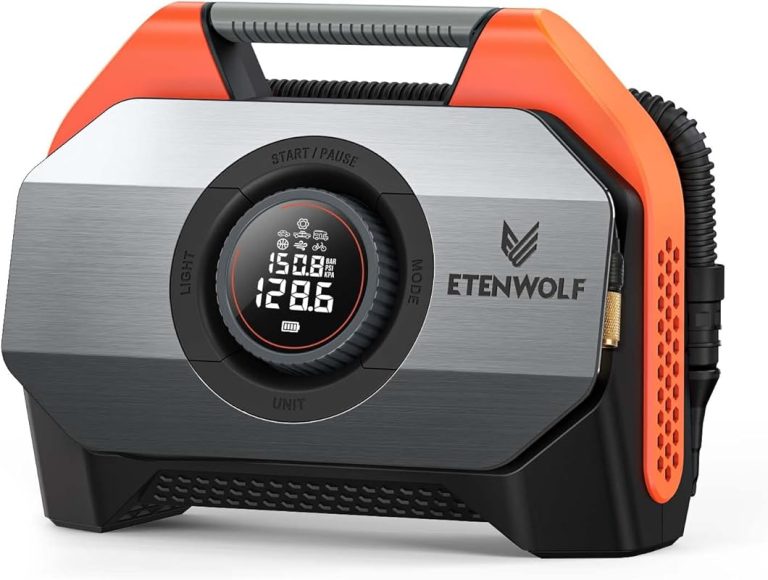
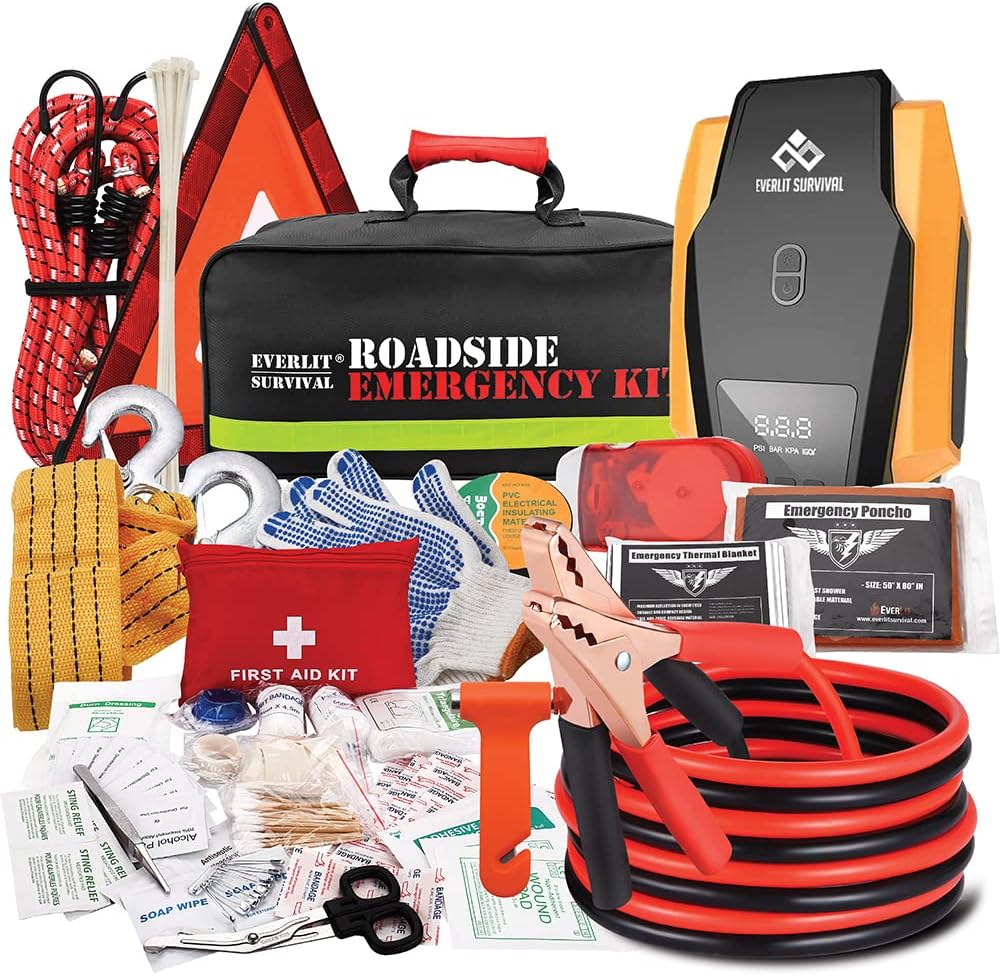
Cheap Tire Inflator or Expensive Tire Inflator Which Wins

A cheap tire inflator wins for occasional use, emergency top-offs, and drivers who want a simple backup tool. An expensive tire inflator wins for frequent use, larger tires, better accuracy, and more reliable long-term performance.
Choosing between a cheap tire inflator or expensive tire inflator is less about the price tag and more about how you drive. In 2025, the right pick depends on whether you need a simple emergency tool, a regular maintenance helper, or a dependable inflator for heavier tires and frequent use.
- Best budget fit: Occasional top-offs and emergency use.
- Best premium fit: Frequent use, SUVs, trucks, and road trips.
- Main tradeoff: Lower price usually means slower speed or less durability.
- Buying tip: Check power source, duty cycle, and accuracy before choosing.
- Safety note: Damaged or fast-leaking tires should be inspected by a professional.
Cheap Tire Inflator or Expensive Tire Inflator: What Drivers Really Need in 2025
The best tire inflator is the one that matches your tires, your storage space, and how often you actually use it. A low-cost model can be perfectly fine for occasional top-offs, while a premium unit may save time, reduce frustration, and hold up better under repeated use.
It also helps to think beyond the purchase price. If an inflator is too weak, too noisy, or too inaccurate for your needs, the “cheap” option can become the more expensive one over time. For readers comparing everyday car tools, the same value-vs-premium question shows up in other categories too, such as cheap car vacuum cleaners and even expensive car vacuums.
Why price matters in a tire inflator purchase decision
Price matters because tire inflators are not all built for the same workload. Some are meant for a quick roadside top-off, while others are designed to run longer, handle larger tires, and offer more precise pressure control.
Budget models often cut costs in the motor, hose quality, gauge accuracy, and cooling design. Premium models usually charge more for convenience, durability, and consistency rather than for a feature you will notice every second.
What most readers are trying to solve: emergency use, daily maintenance, or road-trip readiness
Before comparing models, decide what problem you want the inflator to solve. A driver who only wants a compact emergency backup has different needs than someone checking pressure every week or preparing for long highway trips.
If you mainly want peace of mind, a simple inflator may be enough. If you want faster fills, fewer overheating pauses, or easier use on multiple vehicles, a more expensive unit can make sense.
Cheap Tire Inflator vs Expensive Tire Inflator: Key Differences That Affect Performance
The biggest difference between cheap and expensive tire inflators is usually not whether they work at all. It is how well they work after repeated use, how accurately they report pressure, and how much effort they demand from the driver.
Build quality, motor durability, and hose/connector reliability
Cheaper inflators may use lighter plastic housings and simpler internal parts. That is not automatically bad, but it can mean more vibration, more wear, and a higher chance of loose connectors or hose leaks over time.
More expensive models often feel sturdier because they are built for repeated inflation cycles. Better connectors and hoses can also reduce air loss, which matters when you are trying to reach a specific tire pressure without guesswork.
Inflation speed, pressure accuracy, and heat management
Speed varies a lot by model, tire size, and starting pressure, so avoid assuming every premium inflator is dramatically faster. Still, stronger motors and better heat management usually help expensive units maintain performance longer before they need a break.
Accuracy is another major difference. A cheap gauge that reads inconsistently can lead to underinflation or overinflation, both of which affect tire wear and safety. If the pressure matters for a load, trip, or seasonal temperature change, accuracy becomes more important than saving a few dollars.
An inaccurate inflator can create a safety problem if you rely on it as your only pressure reference. If a tire is losing air quickly, has visible damage, or keeps dropping pressure after refills, ask a professional to inspect it before driving long distances.
Noise level, portability, and ease of storage in real vehicles
Cheap inflators are often smaller and lighter, which makes them easy to stash in a trunk or glove box. That convenience matters if you want a tool that is always there when you need it.
Premium units may be bulkier, but they sometimes offer better grip, clearer controls, and less vibration during use. For some drivers, the extra size is worth it if the inflator is easier to use in low light, bad weather, or roadside conditions.
When a Cheap Tire Inflator Makes Sense
A cheap tire inflator makes sense when the job is simple and infrequent. If you only need occasional pressure top-offs or a backup for emergencies, a budget model can be a practical buy.
Best use cases for occasional top-offs and short-distance drivers
Drivers who stay close to home, use the car lightly, or check tire pressure only a few times a year usually do not need a heavy-duty inflator. A lower-cost unit can handle small corrections and emergency fills without much trouble.
It is also a reasonable choice if you already have another way to check tire pressure accurately, such as a separate gauge. In that case, the inflator is just the fill tool, not your main source of measurement.
What to expect from budget models in 2025
In 2025, budget inflators can still be useful, but expectations should stay realistic. They may take longer to fill a tire, run hotter, and offer simpler displays or fewer convenience features.
Some cheap models are perfectly serviceable for light-duty use, but others may struggle with repeated cycles. Reading the product details carefully matters, especially if the listing does not clearly explain duty cycle, hose length, or power source compatibility.
Practical examples: compact car, spare tire emergency, seasonal pressure checks
A compact car owner who only needs to bring tires back to normal pressure after a cold snap may do well with a budget unit. The same is true for a driver who wants a small emergency inflator for a spare tire or a slow leak on the way to a repair shop.
Seasonal pressure checks are another good fit. If you only inflate a few times per year, paying extra for advanced features may not provide much real-world value.
If you buy a cheap inflator, pair it with a reliable handheld gauge so you are not depending on the inflator’s built-in reading alone.
When an Expensive Tire Inflator Is Worth the Extra Money
An expensive tire inflator is worth considering when you use it often or need more consistency. The extra cost usually pays off in time saved, better durability, and less frustration during repeated use.
Frequent use for SUVs, trucks, off-road tires, and multi-vehicle households
Larger tires need more air, and more air means more heat and more run time. That is where premium inflators often become more appealing, especially for SUVs, trucks, and off-road setups.
Multi-vehicle households also benefit from a stronger unit because the inflator may be used on different tire sizes and different schedules. If one tool has to serve several drivers, reliability becomes more valuable than a low sticker price.
Benefits of premium features: digital presets, auto shutoff, stronger duty cycle, and better accuracy
Premium inflators often include digital presets, which let you set a target pressure and walk away once it is reached. Auto shutoff is especially helpful if you want to avoid overinflation or if you are multitasking during a roadside stop.
A stronger duty cycle can also matter because it allows longer use before the unit needs to cool down. Better accuracy and clearer displays help reduce guesswork, which is important when you are inflating tires for towing, load carrying, or long-distance travel.
Premium features are helpful, but they do not replace proper tire maintenance. If a tire keeps losing air, has sidewall damage, or shows irregular wear, the inflator is only a temporary tool and not a fix.
Practical examples: family road trips, towing, camping, and professional-grade reliability
For family road trips, a better inflator can reduce delays and help you stay on schedule. That matters when you are checking multiple tires before leaving or topping off after a temperature drop.
Towing and camping can also push a tire inflator harder than normal daily driving. In those situations, a more expensive model is often justified because the consequences of a weak or inaccurate inflator are more annoying and potentially more serious.
Cost Breakdown: What You Pay for in Budget vs Premium Models
When comparing a cheap tire inflator or expensive tire inflator, the real question is what you gain for the extra money. Often, you are paying for time savings, better materials, and fewer compromises under stress.
Typical price ranges and what features usually appear at each tier
Budget inflators usually focus on basic inflation and portability. They may have simpler controls, fewer accessories, and a more basic display, while premium models are more likely to offer presets, stronger construction, and more polished user interfaces.
Because prices vary by brand, season, and retailer, it is better to compare feature sets than to chase a specific number. A well-designed midrange inflator can sometimes be a smarter buy than the cheapest or most expensive option.
| Option | Best For | Limit |
|---|---|---|
| Cheap tire inflator | Occasional top-offs and emergency use | May be slower, louder, and less durable |
| Expensive tire inflator | Frequent use and larger tires | Costs more and may be bulkier |
Long-term value: replacement frequency, warranty support, and hidden ownership costs
The cheapest option is not always the cheapest over time. If a low-cost inflator fails early, runs too slowly, or needs to be replaced more often, the savings can disappear.
Warranty support also matters, though exact coverage varies. A better warranty, clearer instructions, and more responsive support can reduce the hidden cost of a bad purchase. For drivers already thinking about ownership costs across the vehicle, this kind of value comparison is similar to how people evaluate ownership cost explained in other car-related purchases.
How to compare cost per use instead of sticker price alone
A useful way to think about value is cost per use. If you use the inflator only twice a year, a budget model may be perfectly fine. If you use it monthly or more, a premium model may work out cheaper in the long run because it saves time and lasts longer.
This is also where storage and convenience matter. A tool that is easy to grab and simple to use tends to get used properly, while a complicated or flimsy tool may be ignored until an emergency.
Common Mistakes Buyers Make When Choosing a Tire Inflator
Many bad purchases happen because buyers focus on price first and function second. That can lead to an inflator that looks good online but does not fit the vehicle or the owner’s real needs.
Choosing by price only and ignoring tire size or intended use
The most common mistake is buying the cheapest option without thinking about tire size. A small sedan and a loaded SUV do not place the same demands on an inflator.
If you inflate larger tires, drive long distances, or need the tool often, price alone should not decide the purchase. Matching the tool to the job is the smarter approach.
Overlooking power source compatibility: 12V, battery-powered, or AC models
Power source matters more than many buyers expect. A 12V inflator may be ideal for roadside use, while a battery-powered unit offers portability and an AC model may be better for home garage use.
If you choose the wrong power source, the inflator may be inconvenient or unusable in the situation where you need it most. Before buying, make sure the tool matches how and where you plan to use it.
Ignoring pressure limits, duty cycle, and accuracy claims
Some listings emphasize maximum pressure without explaining how the unit performs in real use. That number alone does not tell you how fast it fills, how long it can run, or how accurate the gauge is.
Duty cycle and accuracy are especially important for repeated use. If those details are unclear, treat the product carefully and compare it against other options before deciding.
Expert Warning Signs: When a Cheap Inflator Could Be the Wrong Choice
Cheap inflators are not automatically bad, but there are situations where a bargain model is the wrong tool. The more demanding your tires and driving habits are, the more important reliability becomes.
Situations where weak motors, poor seals, or inaccurate gauges become safety issues
If your vehicle carries heavy loads, tows equipment, or runs tires that are expensive to replace, a weak or inaccurate inflator can become more than an inconvenience. Underinflation can affect handling, braking feel, and tire wear.
Poor seals and leaky connectors also create problems when you are trying to inflate in cold weather or on the roadside. In those conditions, a tool that works “most of the time” may not be good enough.
Warning signs that a low-cost model may fail under real-world conditions
Be cautious if product information is vague, the hose looks flimsy, the gauge is hard to read, or the unit has little mention of cooling or duty cycle. Those are often signs that the design is built for light use only.
Also be careful if the inflator seems too small for the tire size you plan to service. A compact unit can be useful, but there is a difference between portable and underpowered.
What the AAutomotives editorial team recommends checking before buying in 2025
Before buying, check the power source, the pressure range, the hose length, and whether the display is easy to read in daylight and at night. Also look for clear instructions on how long the unit can run before cooling down.
Most importantly, match the inflator to your actual use case. If you are unsure about tire condition, repeated air loss, or whether a tire is safe to keep using, ask a professional for an inspection instead of relying on an inflator alone.
- Match the inflator to your tire size and use frequency.
- Confirm power source compatibility before buying.
- Check pressure accuracy, duty cycle, and hose quality.
- Use a separate gauge if the built-in reading seems uncertain.
- Ask a professional if a tire keeps losing air or looks damaged.
Final Verdict: Cheap Tire Inflator or Expensive Tire Inflator Which Wins for Your Needs
There is no single winner for every driver. The better choice depends on how often you inflate tires, how large those tires are, and how much you value speed and reliability.
Best choice for budget-conscious drivers
If you only need occasional top-offs, emergency backup use, or light-duty maintenance, a cheap tire inflator can be the smarter buy. It keeps costs low and still solves the basic problem of adding air when you need it.
Best choice for reliability-focused drivers
If you use the inflator often, drive larger vehicles, or want better accuracy and convenience, an expensive tire inflator is usually worth it. The extra money tends to buy better durability, easier operation, and less frustration.
Quick recap to help readers match the inflator to their driving habits and tire demands
Choose cheap if your needs are simple and infrequent. Choose expensive if you want dependable performance, faster inflation, and a tool that can handle more demanding real-world use without as much compromise.
Frequently Asked Questions
It can be, if you only need occasional top-offs and your tires are easy to service. A separate tire gauge is still a smart backup if accuracy matters to you.
Premium models often offer stronger motors, better durability, clearer controls, and more accurate pressure management. They are usually more convenient for frequent use or larger tires.
Choose the power source that fits how you plan to use it. Battery-powered units are portable, while 12V models are useful for roadside use as long as your vehicle can power them.
Look for clear pressure readings and compare them with a separate tire gauge. If the numbers do not line up consistently, do not rely on the inflator alone.
Ask a professional if a tire keeps losing air, has visible damage, or seems unsafe to drive on. An inflator can add air, but it cannot fix punctures, sidewall damage, or structural problems.
Not always, because speed depends on the model, tire size, and starting pressure. In many cases, premium inflators are faster and more consistent, but you should compare the full feature set rather than assume.