Tesla Cybertruck Camping: Is It Actually Worth It?

Yes, the Tesla Cybertruck can work well for camping if you want quiet power, good storage, and a truck that can handle dirt roads and short off-grid trips. It is best for campers who stay near charging, sleep in the bed or use a tent setup, and do not need a full RV-style experience.
The Cybertruck is not a perfect camping rig, but it does offer a few things that make it interesting for weekend trips and overlanding-style use. In this guide, I’ll break down what it does well, where it struggles, and how I’d set one up for a practical camping trip.
Is the Tesla Cybertruck Good for Camping?
What makes the Cybertruck different from other electric camping vehicles
The Cybertruck stands out because it blends EV quietness with pickup-truck utility. You get a large bed area, a tough stainless steel body, and enough electrical capability to support camping gear without running a gas generator.
That makes it different from a normal SUV or crossover EV. Instead of trying to camp inside the cabin, many owners will treat the Cybertruck like a small base camp with the vault, bed, and onboard power doing the heavy lifting.
Who the Cybertruck camping setup is best suited for
I’d say this truck makes the most sense for campers who like weekend trips, beach camping, festival parking, desert travel, and light overlanding. It also fits people who want a quiet vehicle and like the idea of powering lights, coolers, and small appliances from the truck.
Tesla has positioned the Cybertruck as a utility-focused vehicle with camping and outdoor use in mind, including accessories and storage solutions on its official site: Tesla Cybertruck product page.
Where it falls short for off-grid and remote trips
The biggest limitation is range loss. Once you add a roof tent, extra cargo, cold weather, and possibly towing, your usable range can drop fast. Charging access also becomes a real planning issue in remote areas.
It is also not a traditional camper van. If you want built-in kitchen space, a fixed sleeping area, and all-weather insulation, you may find the Cybertruck less convenient than a purpose-built RV or camper conversion.
Tesla Cybertruck Camping Features That Matter Most
| Feature | Why it matters for camping | What to watch for |
|---|---|---|
| Vault bed space | Useful for sleeping, storage, and tent setups | Measure carefully before buying gear |
| 48-volt electrical system | Supports accessory power potential | Accessory compatibility may vary |
| Ground clearance and body design | Helps on rough roads and campsites | Not a substitute for true off-road skill |
| Battery range | Determines how far you can camp away from chargers | Cold weather and towing reduce range |
Vault bed size and cargo space for sleeping and storage
The vault gives you a protected place for gear, and that is a big plus. You can store camp chairs, bins, cooking gear, recovery equipment, and bedding without leaving everything exposed to weather.
For sleeping, the bed can work if your setup fits the dimensions and you do not mind a more compact layout. A platform or mattress can make the space much more usable.
48-volt electrical system and accessory power potential
The Cybertruck’s 48-volt architecture is one of the most interesting parts of the truck for campers. In simple terms, it gives the vehicle more headroom for powering accessories and future add-ons than older 12-volt setups.
That does not mean every camping device will plug in and work perfectly. You still need to check compatibility, power draw, and whether you are using Tesla-supported accessories or third-party gear.
Stainless steel body, clearance, and off-road capability
The body and stance help the Cybertruck feel more ready for rough use than many EVs. If your campsite is down a gravel road or you need to cross uneven ground, that matters.
Still, I would not treat it like a rock crawler. It is a heavy vehicle, and weight, tires, and terrain all affect how far you should push it.
Range, towing impact, and cold-weather camping considerations
Camping often means extra weight, extra drag, and longer idle time with climate control running. If you tow a trailer or carry a roof tent, range can drop more than many new owners expect.
Cold weather makes things harder too. Heating the cabin overnight can use meaningful energy, so it helps to plan around weather and charging access. For background on EV efficiency and cold-weather driving, the U.S. Department of Energy has useful general guidance on electric vehicle range and temperature effects at Energy Saver electric vehicle information.
Best Ways to Camp in a Tesla Cybertruck
Truck bed camping with a mattress or platform
Check the bed length, width, and any wheel well space before buying a mattress or platform.
Use a platform, folding insert, or custom mattress so you are not sleeping on uneven panels or gear.
Leave a safe airflow path to reduce heat buildup and condensation.
This is one of the simplest camping setups. It works best for solo campers or couples who do not need much room and want a quick overnight setup.
Rooftop tent or bed-mounted tent setups
A rooftop tent or bed-mounted tent can free up the vault for storage while giving you a more familiar camping experience. This is a strong option if you want a real mattress feel and more separation between sleeping and gear.
The tradeoff is added weight and more aerodynamic drag, which can hurt range. You also need to make sure the mounting system is safe and rated for the load.
Ground camping with the Cybertruck as a power hub
Some owners may prefer to sleep in a tent on the ground and use the Cybertruck as the support vehicle. In that setup, the truck becomes your battery bank, storage locker, and weather shelter.
This can be the most comfortable option if you like traditional camping but still want EV power for lights, a cooler, fans, or device charging.
Overlanding-style camping for short off-grid trips
The Cybertruck can fit into short overlanding trips where you move from one campsite to another and keep a close eye on charging. That style of travel works better than trying to disappear deep into the backcountry for days at a time.
If your route includes remote trails, check charging options and road conditions before you leave. The truck may be capable, but your trip still depends on battery planning.
How to Set Up the Cybertruck for Camping Comfort
Choosing the right mattress or sleep platform for the vault
Decide whether you want a simple air mattress, foam pad, or raised platform with storage underneath.
A mattress that is too tall can reduce headroom and make entry harder.
Set it up in your driveway before a trip so you can spot fit issues early.
Managing ventilation, privacy, and condensation
Ventilation is a big deal in any enclosed sleeping setup. Even in a truck bed, you can get condensation from breathing and temperature changes.
Use window shades, cracked vents, or screened openings where safe. Privacy screens also help with sleep quality if you are camping in a busy area.
Packing storage bins, coolers, and gear efficiently
I like to think of camping gear in zones: sleep gear, cooking gear, recovery gear, and daily-use items. That makes it easier to pack the Cybertruck so you are not digging through everything just to find one flashlight.
Heavy items should sit low and close to the center of the truck. That helps handling and keeps the load more stable on rough roads.
Using climate control and cabin overheat protection while camping
Cabin climate control can make sleeping much more comfortable, especially in hot or cold weather. It can also use battery power faster than many owners expect, so I would use it with a plan instead of leaving it on without thinking.
Overheat protection is useful in hot climates, but it is not a substitute for proper shade, airflow, and smart parking choices. Park where possible in a spot that reduces direct sun exposure.
Cybertruck Camping Accessories Worth Considering
Bed tents and camper shells
- Choose a tent or shell that matches the bed dimensions exactly
- Check weather sealing and tie-down quality
- Look for easy access to storage
- Buy based on looks alone
- Ignore mounting limits
- Assume every truck tent will fit the Cybertruck without adjustment
Window shades, privacy screens, and bug protection
These small items can make a huge difference. Window shades help with privacy and temperature control, while bug screens help you sleep with airflow when the weather is warm.
Portable power stations, lights, and cooking gear
Even with the truck’s onboard power, a portable power station can give you flexibility. It is handy for running smaller items away from the vehicle or keeping essentials powered if you want to conserve battery.
LED camp lights, induction-ready cooking gear, and compact coolers are also smart picks because they are easy to manage and usually efficient.
Recovery gear and safety essentials for remote camping
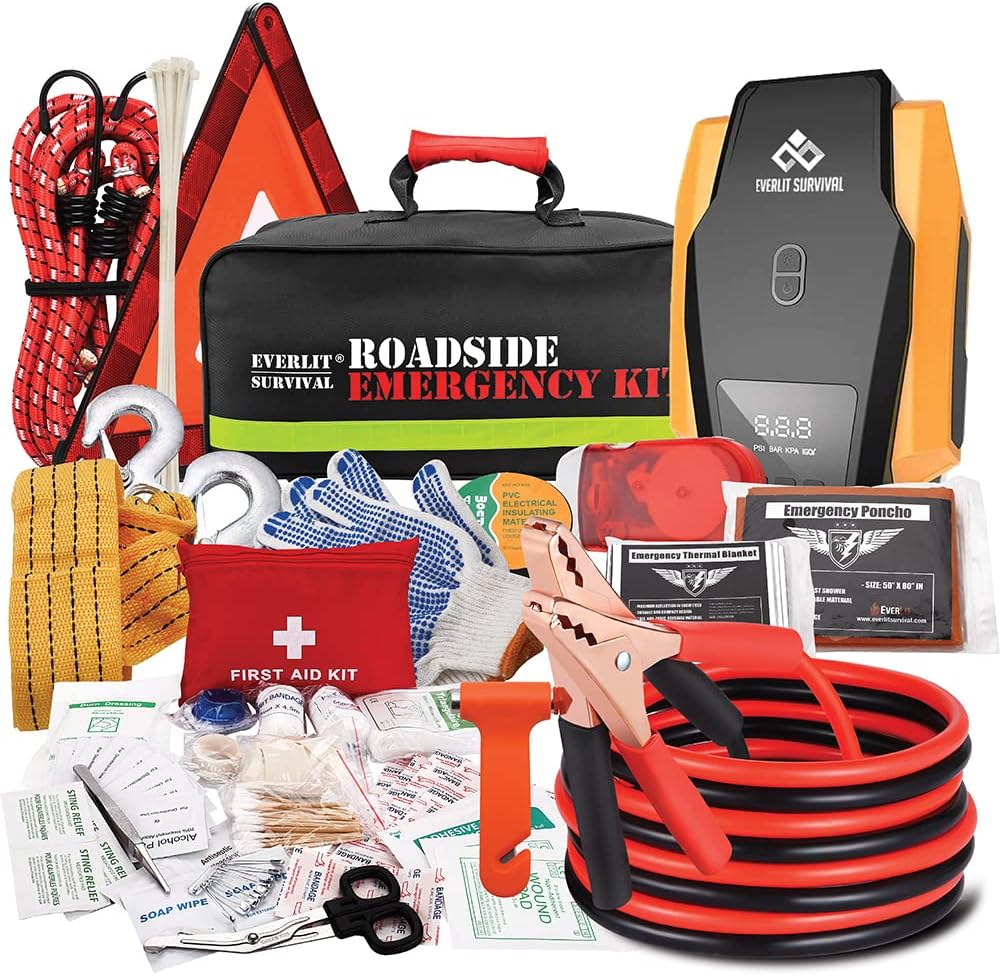
If you plan to leave pavement, pack recovery boards, a shovel, tow straps, a tire pressure gauge, and a first-aid kit. A GPS or offline map app is smart too, especially where cell service is weak.
Do not assume the Cybertruck can get you out of every situation on its own. Heavy EVs can still get stuck, and recovery can be more complicated in remote areas.
Tesla Cybertruck for Camping: Pros and Cons
- Quiet operation at camp
- Strong storage potential in the vault
- Useful power access for accessories
- Modern climate controls
- Better off-road posture than many EVs
- Range drops with gear, weather, and towing
- Charging can be hard in remote places
- Sleeping space is not as roomy as a camper van
- Accessory fitment may take extra planning
- Cost is high compared with basic camping vehicles
Pros: quiet operation, power access, storage, and off-road design
The biggest upside is convenience. You can arrive quietly, store a lot of gear, and keep devices powered without hauling a gas generator. That makes the whole camping experience feel cleaner and simpler.
Cons: range loss, charging limitations, weather exposure, and cost
The weak points are real. Range loss can be significant, charging stops can shape your route, and open-bed camping exposes you more to weather than a sealed camper would.
Best camping scenarios versus situations where another vehicle is better
The Cybertruck is a better fit for road trips, campground stays, and weekend overlanding. A camper van, SUV with a built-in sleep platform, or small RV may be better if you want more insulation, easier sleeping, and less charging planning.
Real-World Camping Tips for Tesla Cybertruck Owners
- Plan charging stops around campsite locations so you are not scrambling for power late in the day.
- Reduce overnight energy use by setting a comfortable but efficient temperature before bed.
- Test your sleep setup in the driveway before a long trip.
- Keep heavy gear low and centered to protect handling and range.
- Bring weather protection for rain, dust, and big temperature swings.
Plan charging stops around campsite locations
I would always map charging first, then build the trip around that plan. It is much easier to enjoy camping when you know where the next charge is coming from.
Reduce energy drain from heating and cooling overnight
Use climate control wisely. A little planning can save a lot of battery, especially during cold nights or hot summer trips.
Test your sleeping setup before a long trip
A one-night trial can save you from a bad weekend. Check comfort, ventilation, storage access, and how easy it is to get in and out.
Pack with weight balance and range in mind
Extra weight affects efficiency. Keep your load simple, avoid overpacking, and make sure the truck still feels stable on the road.
Prepare for rain, dust, and temperature swings
Weather can change fast when you are camping. Pack tarps, microfiber towels, sealed bins, and layered clothing so you are ready for changing conditions.
You notice unusual suspension noise, charging faults, warning lights, water intrusion, or any issue that affects braking, steering, or battery cooling. Camping should never start with a vehicle problem that needs proper diagnosis.
How Much Does It Cost to Camp in a Tesla Cybertruck?
Basic budget camping setup costs
A basic setup may include a mattress, shades, storage bins, and a few comfort items. This is the cheapest way to get started and works well for casual camping.
Mid-range camping setup costs
Mid-range setups often add a bed platform, tent, better cooling or power gear, and more organized storage. This is where the Cybertruck starts to feel much more campsite-ready.
Premium overlanding and off-grid setup costs
Premium builds can include custom shells, high-end tents, power systems, recovery gear, and specialized storage. These setups can get expensive fast, so I would only go this route if you camp often.
Ongoing costs to consider: charging, accessories, and maintenance
Charging costs depend on where and how you charge. Accessories, replacement gear, and normal vehicle maintenance also add up over time, especially if you use the truck hard on dirt roads.
FAQs About Tesla Cybertruck for Camping
Yes, you can sleep in the bed area with the right mattress or platform, and some people may use the cabin in certain situations. Comfort depends on your setup, temperature, and how much room you need.
That depends on your setup. Realistically, one or two adults is the most practical sleeping arrangement unless you add a tent or separate sleeping space.
It depends on the accessory load, battery state, outside temperature, and how much driving you do. Small loads may run for a long time, but heavier use can drain the battery much faster.
It can be, but cold weather reduces EV efficiency and can increase heating demands. You will need to plan charging and insulation more carefully than in mild weather.
Not always, but the right mattress, shades, storage, and weather protection make a big difference. For off-grid trips, recovery gear and power planning matter too.
The Tesla Cybertruck can be a strong camping vehicle if you want quiet power, useful cargo space, and a modern setup for short trips. It works best for campers who plan charging carefully, keep gear simple, and treat the truck as a flexible base camp rather than a full RV replacement.
- The Cybertruck can work well for camping, especially on weekend and campground trips.
- Its best strengths are storage, quiet operation, and accessory power potential.
- Range loss and charging planning are the biggest challenges.
- A mattress, platform, or tent setup can make it much more comfortable.
- It is best for short off-grid adventures, not deep remote travel without planning.